
 By rifan muazin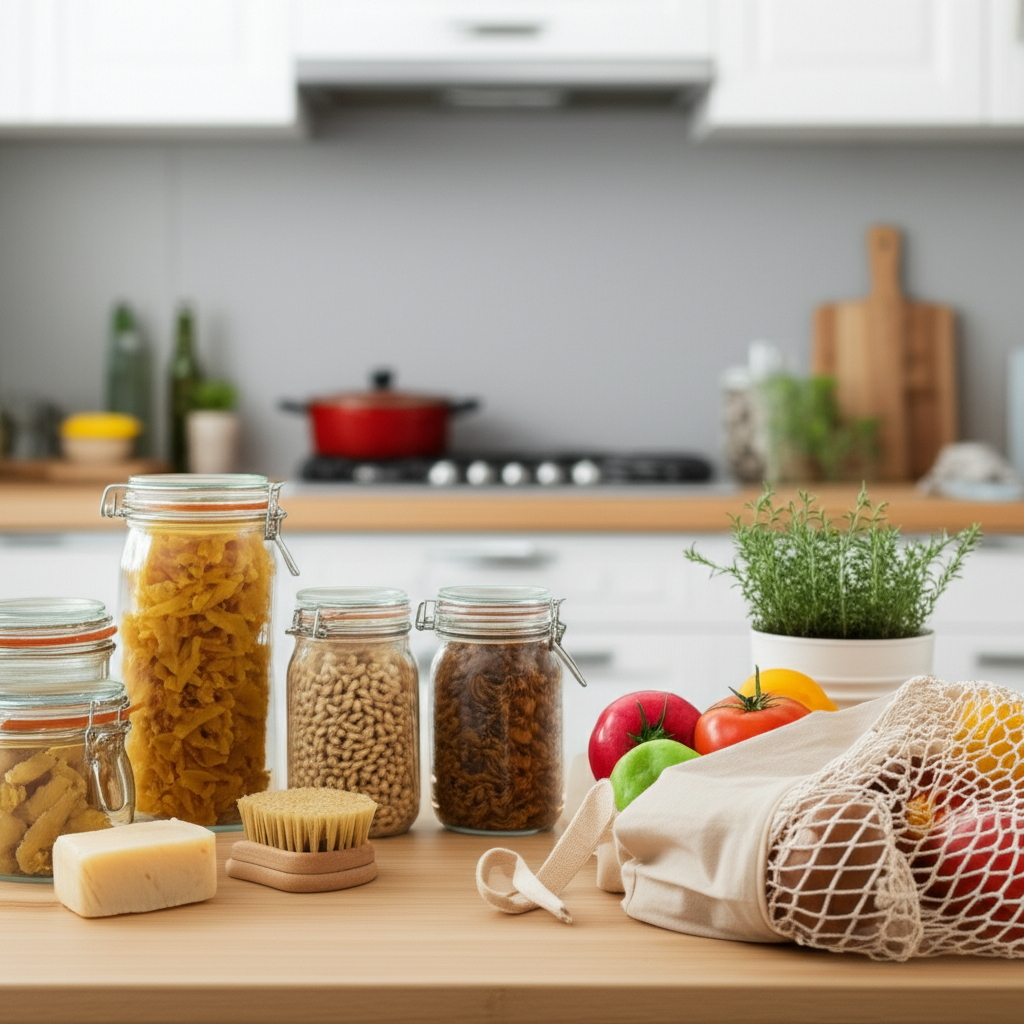
Stepping into the world of zero-waste living can feel a lot like standing at the foot of a towering mountain. Overwhelming, perhaps even impossible. You might envision minimalist gurus with a single jar of trash from an entire year, and think, "There’s no way my bustling home, with its endless stream of packaging and forgotten leftovers, can ever get there."
But here’s the beautiful truth: zero-waste isn’t about perfection; it’s about progress. It’s about making conscious choices to reduce your environmental footprint, one thoughtful step at a time. For homeowners, especially, the journey offers a unique opportunity to transform your most significant personal space into a hub of sustainability. This comprehensive guide will break down the daunting task into manageable, actionable steps, proving that a more eco-friendly home is not only achievable but deeply rewarding for your wallet, your health, and the planet.
What Exactly is "Zero-Waste" for Homeowners?
Forget the literal interpretation of "zero" trash. For most, true zero waste is an aspirational ideal. Instead, think of it as a philosophy centered around minimizing the amount of waste sent to landfills and incinerators. It’s about mindful consumption, recognizing the entire lifecycle of products, and making choices that respect our planet’s finite resources.
The cornerstone of zero-waste is often summarized by the "5 R’s," typically in this order of priority:
- Refuse: Say no to what you don’t need (freebies, junk mail, excessive packaging). This is the most powerful R!
- Reduce: Lessen your consumption of goods, energy, and resources. Declutter, simplify, buy less.
- Reuse: Opt for reusable items over single-use (bags, bottles, containers). Repair instead of replacing.
- Recycle: When you must consume, choose items that can be recycled, and do so properly. Understand your local recycling rules.
- Rot (Compost): Turn organic waste (food scraps, yard trimmings) into valuable soil amendments.
Notice that recycling and composting come last. The true power lies in preventing waste in the first place. For homeowners, this means looking at every room, every routine, and asking, "How can I make this more sustainable?"
Your Zero-Waste Journey Begins: The Kitchen — Heart of the Home
The kitchen is often the biggest producer of household waste, making it the perfect starting point for your zero-waste transformation.
Phase 1: Pantry Purge & Plastic Patrol
Before you buy anything new, let’s take stock.
- Audit Your Pantry: Go through your cupboards. What items come in excessive plastic packaging? What are single-use plastics you can easily replace? Think about plastic wrap, sandwich bags, disposable food containers.
- Embrace Bulk Buying: This is a game-changer. Locate your nearest bulk food store or a grocery store with a good bulk section. Invest in a few reusable canvas produce bags and sturdy, lightweight containers (glass jars, stainless steel containers) for staples like grains, nuts, seeds, pasta, and even cleaning supplies. Start small – maybe just your oats and rice.
- Smart Storage Solutions: Transition away from plastic food storage. Glass containers with airtight lids are fantastic for leftovers, meal prep, and pantry organization. Beeswax wraps are a brilliant, reusable alternative to plastic cling film.
Meal Planning & Food Waste Fighters
Reducing food waste is one of the most impactful zero-waste actions you can take, and it saves you money!
- Plan Your Meals: Before you shop, make a detailed meal plan for the week. This prevents impulse buys and ensures you only purchase what you need, significantly reducing spoilage.
- Master Food Storage: Learn how to properly store fruits and vegetables to extend their shelf life. For example, store leafy greens in an airtight container with a damp cloth, and keep herbs like flowers in a glass of water. Utilize your freezer for items nearing their expiration date.
- Composting Basics: Food scraps don’t belong in the landfill where they produce harmful methane gas.
- Indoor Bin: Start with a small, lidded countertop bin for daily scraps.
- Outdoor Pile/Bin: If you have a yard, a simple compost pile or enclosed bin is ideal for fruit and veggie scraps, coffee grounds, tea bags, and yard waste.
- Municipal Programs: Check if your city offers food waste collection.
- Worm Composting (Vermicomposting): A fantastic indoor option for apartments or those without outdoor space.
Cleaning Up Responsibly
Your cleaning routine can be a surprising source of waste and harsh chemicals.
- Reusable Cleaning Cloths: Ditch paper towels for washable microfiber or cotton cloths. Keep a designated bin for dirty cloths ready for laundry day.
- DIY Cleaners: A spray bottle filled with white vinegar and water (add essential oils for scent) is a powerful all-purpose cleaner. Baking soda is excellent for scrubbing and deodorizing.
- Concentrates & Refills: Many brands now offer concentrated cleaning solutions or refillable options, drastically cutting down on plastic bottles. Look for dish soap bars or solid soap blocks for washing dishes.
Beyond the Kitchen: Spreading Sustainability Throughout Your Home
Once the kitchen feels more manageable, expand your zero-waste efforts to other areas of your home.
The Bathroom Oasis: A Plastic-Free Paradise
The bathroom is often a haven for single-use plastics.
- Solid Toiletries: Shampoo, conditioner, and body soap bars are widely available and eliminate plastic bottles. Store them on a soap dish that allows them to dry properly.
- Bamboo Toothbrushes & Refillable Floss: These biodegradable alternatives are easy swaps.
- Safety Razor: Invest in a durable, metal safety razor. While the initial cost is higher, the blades are inexpensive and recyclable, saving you money and plastic waste in the long run.
- Reusable Cotton Rounds: Replace disposable cotton balls or pads with washable versions for makeup removal or toner application.
- DIY or Bulk Cleaning Supplies: Just like the kitchen, use vinegar-based cleaners, or opt for refillable toilet bowl cleaner and bathroom sprays.
Laundry Day, Eco-Friendly Way
Your laundry routine can be surprisingly wasteful, from plastic detergent jugs to dryer sheets.
- Laundry Strips or Powder: These concentrated options eliminate bulky plastic jugs. Many brands offer compostable packaging.
- Wool Dryer Balls: Replace single-use dryer sheets. They reduce drying time, soften clothes, and can be reused for hundreds of loads. Add a few drops of essential oil for a fresh scent.
- Natural Stain Removers: A bar of laundry soap or a paste of baking soda and water can tackle most stains effectively, avoiding harsh chemical sprays.
Home Office & Everyday Essentials
Even your workspace and general home items can benefit from a zero-waste mindset.
- Go Digital: Where possible, opt for digital documents, bills, and subscriptions to reduce paper waste.
- Reusable Stationery: Choose refillable pens, notebooks made from recycled paper, and rechargeable batteries.
- Repair Over Replace: Learn basic mending skills for clothes or small household items. Many communities have "repair cafes" where volunteers help fix broken items.
- Secondhand First: When buying furniture, decor, or even clothing, explore thrift stores, consignment shops, or online marketplaces like Facebook Marketplace. Give items a second life!
Taking it to the Streets: Zero-Waste On the Go
Your zero-waste efforts don’t stop at your front door. Extend your sustainable habits when you leave your home.
The Shopping Savvy Homeowner
Grocery shopping is where many zero-waste habits shine.
- Always Bring Your Bags: Keep reusable grocery bags, produce bags, and bulk bags in your car or by the door so you never forget them.
- Shop with a List: A well-planned shopping list reduces impulse buys and helps you stick to necessities, avoiding unnecessary packaging.
- Farmers’ Markets & Local Stores: These are often excellent places to find unpackaged produce, talk to vendors about their practices, and support your local economy.
Hydration & Hunger Helpers
Avoid single-use plastics while out and about.
- Reusable Water Bottle & Coffee Cup: Make these non-negotiables. Keep them filled and ready to go. Many coffee shops offer discounts for bringing your own cup.
- Snack Containers & Cutlery Set: Pack your own snacks in reusable containers to avoid packaged options. Carry a small set of reusable cutlery to refuse plastic forks and spoons.
- Say "No Thanks": Politely decline straws, plastic bags, and disposable napkins when offered. A simple "No straw, please" or "I have my own bag" goes a long way.
Overcoming Obstacles & Staying Motivated
The zero-waste journey is not without its challenges. You’ll encounter moments of frustration, forgetfulness, and perhaps even judgment.
It’s a Marathon, Not a Sprint
- Small Steps Are Key: Don’t try to overhaul everything at once. Pick one area (e.g., your coffee routine) and master it before moving to the next.
- Don’t Get Discouraged by Setbacks: You’ll forget your reusable bags, or accidentally buy something in plastic. It happens! Acknowledge it, learn from it, and move forward without guilt. Every conscious choice still counts.
- Focus on What You Can Do: Some items are genuinely difficult to find unpackaged or without plastic. Don’t let the perfect be the enemy of the good. Focus on the easy wins first.
Dealing with "Hard-to-Recycle" Items
Some items can’t go into your curbside recycling bin.
- Terracycle: This innovative company partners with brands to offer specialized recycling programs for typically non-recyclable items like snack wrappers, cosmetic containers, and coffee capsules.
- Local Specialized Recycling: Check with your municipality or local waste management facilities for drop-off points for electronics, batteries, light bulbs, or plastic film.
- Upcycling & Creative Reuse: Before tossing something, consider if it can be given a new purpose. A glass jar can become a vase, a tin can a pen holder.
Engaging Your Household
Getting everyone on board can be tricky, especially with kids or skeptical partners.
- Make it a Family Project: Involve children in composting, choosing bulk items, or DIY projects. Make it fun!
- Educate Gently: Share the "why" behind your choices without lecturing. Lead by example and make sustainable options the easy, default choice.
- Start Small for Them: Suggest one easy swap, like a reusable water bottle, and celebrate their efforts.
Your Sustainable Home Awaits
Embarking on a zero-waste journey as a homeowner is a powerful statement. It’s an investment in your home’s future, your family’s well-being, and the health of the planet. Remember, this isn’t about achieving a mythical "zero" but about continually striving for "less."
Every time you refuse a plastic bag, choose a bulk item, or mend a torn garment, you’re making a tangible difference. You’re demonstrating that sustainable living is not just for the few, but an accessible, rewarding path for all. So, take a deep breath, pick one small change from this guide, and begin transforming your house into a truly eco-conscious home today. The planet, and your future self, will thank you.