
 By Nana Wu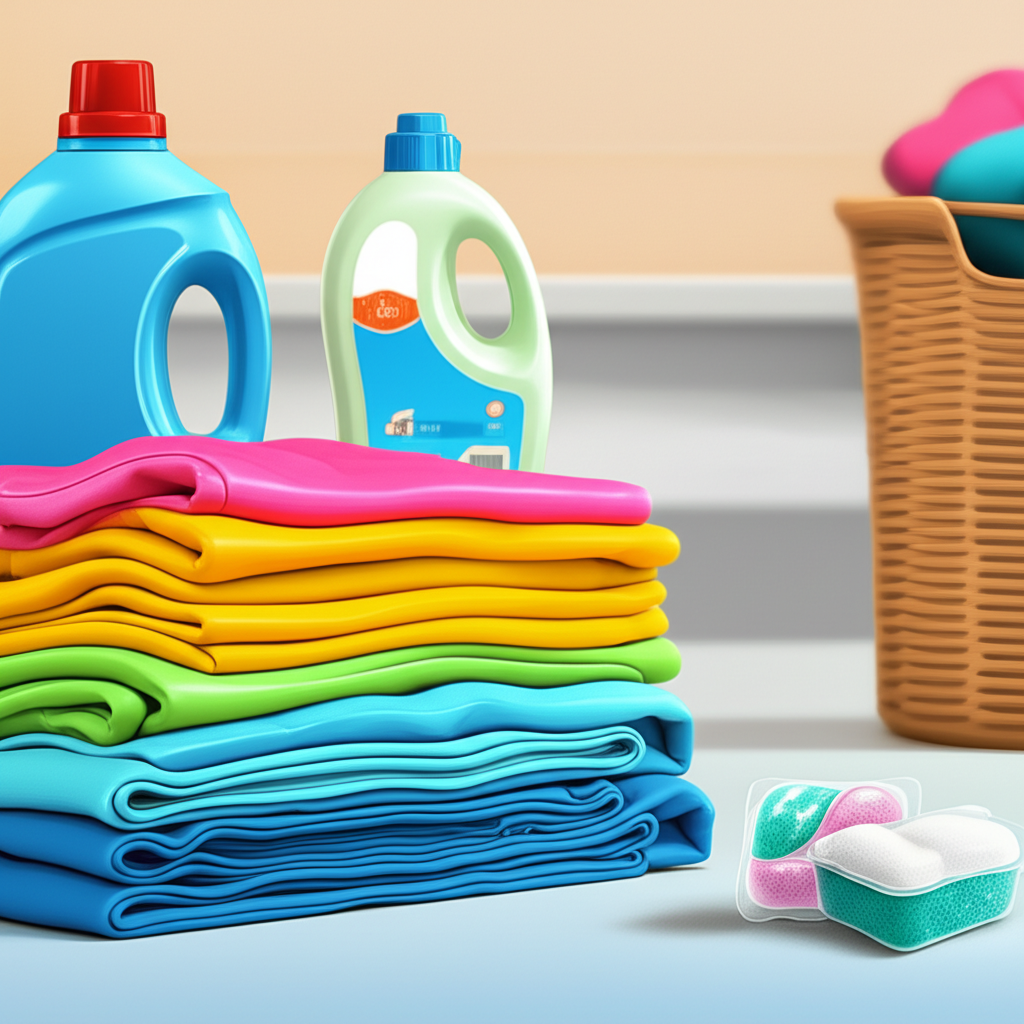
Stepping into the world of laundry for the first time can feel surprisingly overwhelming. You’ve got clothes to wash, a machine full of settings, and then there’s the seemingly endless aisle of laundry detergents. Liquid, powder, pods, HE, scented, unscented – where do you even begin? If you’ve ever stared blankly at a detergent bottle, wondering which one to pick and how much to use, you’re in the right place.
This comprehensive guide is designed to demystify laundry detergent for absolute beginners. We’ll break down the types, explain the jargon, and equip you with the knowledge to make confident choices, ensuring your clothes come out fresh, clean, and well-cared for every single time. Say goodbye to guesswork and hello to laundry day confidence!
The Foundation: Why Detergent Matters More Than You Think
Before we dive into the different options, let’s understand why laundry detergent is so crucial. It’s not just fancy soap; it’s a powerful cleaning agent specifically formulated to tackle the complex task of lifting dirt, grime, oils, and odors from fabrics. Unlike traditional soap, modern detergents contain a blend of ingredients, primarily surfactants and enzymes, that work in harmony.
- Surfactants are the workhorses that reduce the surface tension of water, allowing it to penetrate fabrics more effectively. They then grab onto dirt and oil particles, suspending them in the water so they can be rinsed away.
- Enzymes are biological catalysts that break down specific types of stains – think proteases for protein-based stains like blood or grass, amylases for starches, and lipases for fats and oils.
Using the right detergent, and using it correctly, doesn’t just get your clothes clean; it helps preserve their color and integrity, prevents residue buildup, and even keeps your washing machine running smoothly. Skimping on quality or misusing detergent can lead to dull clothes, skin irritation, and even costly machine repairs.
Decoding Detergent Types: Your First Big Choice
The vast array of detergents can be simplified into three main categories, each with its own benefits and ideal uses.
Liquid Detergent: The Versatile All-Rounder
Liquid detergent is perhaps the most popular and versatile choice, making it an excellent starting point for beginners.
- Pros:
- Easy to measure: Most caps have clear lines for different load sizes.
- Excellent for pre-treating: A small dab directly on a stain before washing can work wonders.
- Dissolves well: Works effectively in all water temperatures, including cold, making it ideal for delicate fabrics or energy-saving washes.
- Less residue: Less likely to leave powdery residue on clothes compared to some powder detergents.
- Cons:
- Easy to overuse: The "more is better" mentality can lead to excess suds and residue.
- Heavy bottles: Can be cumbersome to lift and pour.
- More plastic waste: Typically comes in large plastic jugs.
- Best for: General laundry, pre-treating stains, cold water washes, and anyone who appreciates ease of use.
Powder Detergent: The Economical Workhorse
Often the most budget-friendly option, powder detergent has been a laundry staple for generations.
- Pros:
- Cost-effective: Generally offers more loads per dollar than liquid or pods.
- Good for heavily soiled items: Many formulations are robust for tough dirt and grime.
- Eco-friendly packaging: Often comes in cardboard boxes, reducing plastic waste.
- Great for hard water: Some powders contain water softeners that can be beneficial in areas with hard water.
- Cons:
- Can clump: If stored in a humid environment, it can solidify.
- May not dissolve fully in cold water: Can leave a powdery residue on clothes, especially with cold cycles or if overused.
- Not ideal for pre-treating: Requires mixing with water to create a paste.
- Best for: Bulk laundry, hot water washes, heavily soiled items, and budget-conscious users. If using in cold water, ensure it’s an HE (High Efficiency) powder designed to dissolve quickly.
Detergent Pods/Packs: The Convenience King
Detergent pods, also known as packs or pacs, are pre-measured, single-use packets of concentrated detergent.
- Pros:
- No measuring, no mess: Simply toss one or two pods into the machine.
- Portable: Great for travel or communal laundry rooms.
- Convenient: Saves time and simplifies the laundry process.
- Cons:
- Can be more expensive: Often cost more per load than liquid or powder.
- Fixed dosage: One pod might be too much for a small load or not enough for a very large, heavily soiled load.
- Safety hazard: Their candy-like appearance poses a serious risk to children and pets if ingested. Store them securely out of reach.
- Not for pre-treating: Cannot be used directly on stains.
- Best for: Busy individuals, college dorms, those with limited space, or anyone who prioritizes ultimate convenience.
Specialty Detergents: When You Need More
Once you’ve mastered the basics, you might explore specialty detergents designed for specific needs:
- Delicate formulas: Gentler on fragile fabrics like silk, wool, and lace.
- Darks/Colors formulas: Help prevent fading.
- Whites formulas: Often contain optical brighteners or bleach alternatives to keep whites brilliant.
- Baby detergents: Hypoallergenic and free of harsh dyes and perfumes.
- Allergy-friendly: Free of common irritants like dyes and fragrances.
For now, focus on one of the main three categories. You can always expand your detergent arsenal later!
The HE Revolution: High-Efficiency Machines and Detergent
If your washing machine has an "HE" symbol, it stands for High Efficiency, and it fundamentally changes your detergent needs. HE machines use significantly less water than traditional agitator machines. This reduced water volume means they require a special type of detergent.
-
Why HE detergent is crucial: Regular detergents produce a lot of suds. In an HE machine, these excess suds won’t rinse away properly due to the low water levels. This leads to:
- Residue on clothes: Your garments will come out feeling stiff or looking dingy.
- Machine problems: Oversudsing can trick your machine into running extra rinse cycles, extending wash times, and can even damage the machine’s sensors and motor over time.
- Poor cleaning: Too many suds cushion the clothes, preventing them from rubbing against each other effectively, which is how dirt is dislodged.
-
How to identify HE detergent: Always look for the prominent "HE" symbol on the detergent packaging. HE detergents are formulated to be low-sudsing, ensuring optimal cleaning and machine performance with minimal water.
The Golden Rule: If you have an HE machine, always use HE detergent. There’s no exception to this rule if you want clean clothes and a healthy washing machine.
Mastering the Dosage: How Much is Enough?
This is where many beginners (and even seasoned launderers!) go wrong. The common misconception is that more detergent equals cleaner clothes. In reality, overdosing is one of the most frequent laundry mistakes, leading to a host of problems.
Read the Label: Your Primary Guide
The single most important step in determining dosage is to read the instructions on your detergent packaging. Manufacturers provide clear guidelines, often with lines on the measuring cap or scoop, corresponding to different load sizes.
Factors Influencing Dosage
While the label is your starting point, a few factors will help you fine-tune the amount:
-
Load Size:
- Small Load: Less than half full.
- Medium/Regular Load: About half to three-quarters full.
- Large/Full Load: Nearly full, but not tightly packed (clothes need room to tumble).
- Extra Large/Heavily Soiled: Some machines have this option, or you might add a bit more for truly dirty items.
-
Soil Level:
- Lightly Soiled: Clothes worn for a short period, no visible stains. Use the minimum recommended amount.
- Regular Soiled: Everyday clothes. Use the standard recommended amount.
- Heavily Soiled: Work clothes, muddy items, clothes with significant stains. You might need slightly more detergent, but be cautious not to overdo it.
-
Water Hardness:
- Soft Water: Requires less detergent. If you live in an area with naturally soft water, you can often use slightly less than the recommended amount.
- Hard Water: Contains more minerals, which can reduce detergent effectiveness. You might need to use a bit more detergent (usually up to the "heavy soil" line) to achieve the same cleaning power. You can check your local water report online to determine your water hardness.
-
Machine Type: As discussed, HE machines require less detergent than standard machines because they use less water. Always use HE detergent according to its specific HE instructions.
Common Beginner Mistake: Overdosing
Using too much detergent can lead to:
- Residue on clothes: White streaks or a stiff, gummy feel.
- Faded colors: Detergent residue can dull colors over time.
- Skin irritation: Residual detergent can cause itching or rashes, especially for sensitive skin.
- Machine buildup: Excess suds can leave behind a slimy film (often called "scum" or "gunk") in your washing machine, which can lead to odors and mold growth.
Tip: When in doubt, start with slightly less detergent than the recommended amount for a regular load. You can always add a little more next time if your clothes don’t feel clean enough. It’s much easier to add more than to deal with the consequences of too much.
Beyond the Basics: Advanced Detergent Wisdom
Once you’re comfortable with the fundamentals, consider these tips for even better laundry results.
Storage Savvy: Keep it Fresh
Detergent can lose effectiveness if not stored properly.
- Cool, Dry Place: Store all detergents in a cool, dry location away from direct sunlight.
- Out of Reach: Always keep detergent, especially pods, out of reach of children and pets. Consider a high shelf or a locked cabinet.
- Seal Tightly: Ensure caps are tightly closed to prevent moisture from getting in (especially for powder) and to maintain freshness.
Spot Treatment & Pre-Soaking
For stubborn stains, detergent can be a powerful ally before the wash cycle.
- Liquid Detergent for Spot Treatment: Apply a small amount of liquid detergent directly to the stain, gently rub it in with your finger or a soft brush, and let it sit for 5-10 minutes before washing.
- Pre-Soaking: For heavily soiled items or deeply set stains, a pre-soak can be beneficial. Dissolve a small amount of liquid or powder detergent in a basin of water and soak the garment for 30 minutes to a few hours before washing as usual. Always check the fabric care label first.
Eco-Friendly Options: Washing Green
If environmental impact is a concern, many brands offer eco-friendly detergents. Look for:
- Concentrated formulas: Require less water and packaging, reducing carbon footprint.
- Plant-based or biodegradable ingredients: Gentle on waterways.
- Recycled or less plastic packaging: Look for refill options or cardboard containers.
- "Free & Clear" options: Often marketed as allergy-friendly, these also typically contain fewer harsh chemicals.
Troubleshooting Common Detergent Woes
Even with the best intentions, you might encounter a few hiccups. Here’s how to address them:
- Residue on Clothes: This is almost always due to using too much detergent, or powder detergent not dissolving in cold water. Try reducing the amount, ensure you’re using HE detergent in an HE machine, or try a warm water wash for powder. Overloading your machine can also prevent proper rinsing.
- Dull or Dingy Clothes: Could be insufficient detergent for the load size or water hardness, or again, too much detergent leading to residue buildup. Adjust dosage accordingly.
- Clothes Not Getting Clean: You might not be using enough detergent for the soil level or water hardness, or your machine is overloaded, preventing proper agitation. Ensure you’re selecting the right wash cycle and temperature for the items.
Conclusion: You’ve Got This!
Congratulations! You’ve successfully navigated the often-confusing world of laundry detergents. What once seemed like a daunting task now has clear guidelines. Remember, the key takeaways are: understand the types, always use HE detergent for HE machines, and read the label for dosage instructions, adjusting for load size, soil level, and water hardness.
Laundry doesn’t have to be a chore; with the right detergent knowledge, it becomes a simple, satisfying routine. You’re now equipped to make informed choices, ensure your clothes are sparkling clean, and maintain the health of your washing machine. Go forth and conquer that laundry pile with confidence!