
 By rifan muazin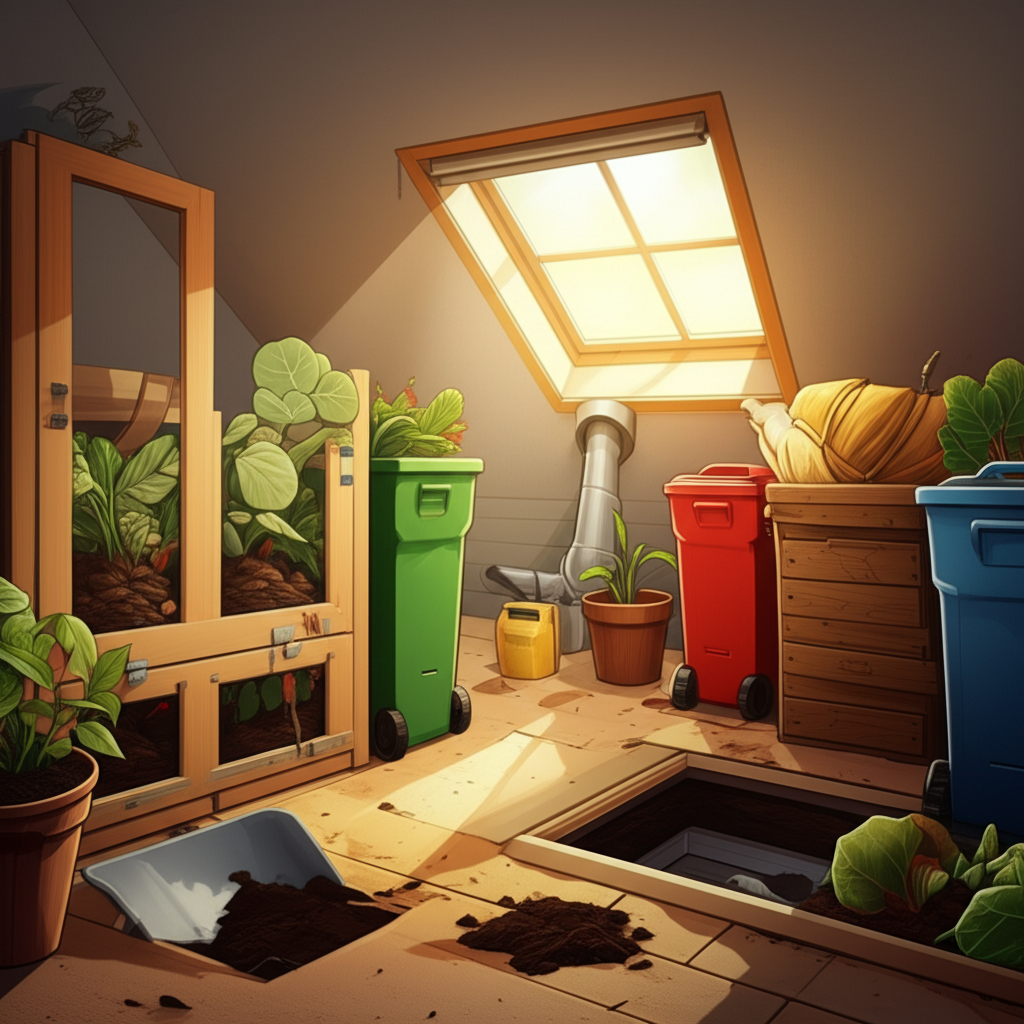
Imagine a world where your kitchen scraps don’t contribute to landfills, but instead transform into nutrient-rich soil, all while optimizing unused space in your home. Welcome to the innovative realm of attic composting – a surprisingly effective and sustainable solution when thoughtfully integrated with outdoor elements. Far from being a mere storage space, your attic can become a discreet hub for turning organic waste into gardening gold, offering a unique blend of indoor convenience and robust outdoor processing.
This in-depth guide will delve into the exciting possibilities of sustainable composting in your attic, meticulously exploring how to combine indoor systems with outdoor processes for maximum efficiency, minimal fuss, and outstanding results. We’ll uncover practical strategies, address common concerns like odors and pests, and provide actionable advice to help you cultivate a thriving, eco-friendly composting system right under your roof.
The Allure of Attic Composting: Why Blend Indoors with Outdoors?
Composting is a cornerstone of sustainable living, but finding the ideal spot can be a challenge, especially for urban dwellers or those with limited outdoor space. This is where the attic, a often-overlooked area, presents a compelling opportunity.
Space Optimization: Unlocking Hidden Potential
Attics are frequently underutilized, serving as repositories for forgotten items. By repurposing a section for composting, you transform dead space into a productive sustainability hub, freeing up valuable kitchen or garden real estate.
Temperature Control: A Double-Edged Sword (and How to Master It)
Unlike exposed outdoor piles, attics offer a degree of insulation, which can be advantageous in colder months, preventing compost from freezing solid. However, attics can also become incredibly hot in summer. This fluctuating environment is precisely why integrating with outdoor systems is crucial – it allows for moderation and adaptation, ensuring your compost remains active and healthy year-round.
Pest Mitigation: Keeping Unwanted Guests at Bay
While no composting system is entirely immune, a well-managed attic setup can significantly reduce issues with common outdoor pests like rodents, raccoons, or larger insects that might be attracted to an open outdoor pile. The key is proper sealing and management, which we’ll cover in detail.
Convenience & Odor Control: A Balanced Approach
The proximity to your kitchen makes regular feeding of scraps incredibly convenient. However, odor management becomes paramount. By choosing the right indoor methods and integrating with outdoor curing, you can enjoy the convenience without sacrificing your home’s freshness.
Assessing Your Attic’s Composting Potential: Key Considerations
Before embarking on your attic composting journey, a thorough assessment of your space is vital. Safety and functionality are paramount.
Structural Integrity & Ventilation: The Foundations of Success
Compost bins, especially when full and damp, can be surprisingly heavy. Ensure your attic floor can safely support the weight. Crucially, proper ventilation is non-negotiable. Stagnant air can lead to unpleasant odors and poor compost health. Consider existing vents, gable vents, or even installing a small, quiet exhaust fan connected to an outdoor vent to ensure adequate airflow.
Accessibility: Ease of Use Matters
How easy is it to get your compost materials (scraps, browns, finished compost) up and down? A system that’s difficult to access will quickly become a neglected chore. Consider permanent stairs, sturdy pull-down ladders, and adequate lighting.
Temperature & Humidity Fluctuations: The Core Challenge
Attics are notorious for extreme temperature swings. A well-insulated attic will perform better, but even then, summer heat can cook a worm bin, and winter cold can slow activity. Integrating with an outdoor system helps mitigate these extremes, allowing you to move or transfer materials as seasons change. Humidity can also be a factor; good ventilation helps prevent condensation and mold buildup.
Pest Proofing: Sealing the Sanctuary
While attics generally offer better protection than open outdoor spaces, small insects can still find their way in. Ensure your attic is sealed against pests, and your compost bins themselves are robust and tightly lidded.
Waterproofing & Drainage: Preventing Costly Damage
Composting involves moisture. Any spills or leaks could lead to significant damage to your home’s structure or insulation. Always place compost bins on sturdy trays with raised edges to catch any potential leachate or overflow. Consider waterproof flooring in the immediate composting area.
Hybrid Composting Systems: Bridging Attic and Outdoors
The true genius of sustainable attic composting lies in its integration with outdoor elements. This creates a resilient, flexible system that leverages the best of both worlds.
The "Worm Tunnel" or Through-Wall System: An Innovative Connection
Imagine a vermicomposting bin (worm composting) nestled in a well-ventilated corner of your attic, situated against an exterior wall. A "worm tunnel" is a specialized, sealed pipe or chute that connects this indoor bin directly to a shaded, outdoor cold compost pile or even a dedicated worm bed.
- How it Works: Kitchen scraps are added to the attic vermicomposter. When the attic temperatures become too extreme (e.g., scorching summer heat), the worms can migrate through the insulated tunnel to the more stable outdoor environment. This also provides an avenue to introduce larger outdoor "browns" (leaves, wood chips) directly into the attic bin, or to transfer finished vermicompost outwards for curing.
- Benefits: Offers worms a natural escape route from temperature extremes, facilitates easy transfer of materials, and creates a truly integrated ecosystem.
- Practical Example: Install a sturdy, insulated PVC pipe (e.g., 4-6 inches diameter) through a discreet section of your exterior wall, connecting a dedicated vermicomposting bin inside the attic to a contained, shaded outdoor worm habitat or cold compost bin. Ensure both ends are sealed when not in active use to prevent pests and drafts. The outdoor end should be easily accessible but also secure.
Batch Processing & Transfer Systems: The Best of Both Worlds
This method involves using a smaller, more controlled composting system in the attic for initial processing, then transferring the partially broken-down material to a larger, more robust outdoor system for completion.
- How it Works: An attic system (like Bokashi or a smaller vermicomposter) handles daily kitchen scraps efficiently. Once the indoor bin is full or the material is pre-composted, it’s transferred outdoors to a hot compost pile, tumbler, or garden bed for final breakdown.
- Benefits: Keeps active, potentially odorous decomposition away from living areas, reduces the bulk of material needing to be processed indoors, and allows for hot composting outdoors (which is generally unsuitable for an attic).
- Practical Example: Use Bokashi buckets in your attic. These sealed systems ferment almost all food waste, including meat and dairy, without odor. Once a bucket is full and fermented (takes about two weeks), empty its contents into an outdoor hot compost pile or bury it directly in your garden. The pre-fermented material breaks down incredibly quickly outdoors, enriching your soil.
Integrated Ventilation & Air Exchange: Breathing Life into Your System
Proper airflow is crucial for healthy composting and odor control. Integrating your attic composting system with external ventilation can be highly effective.
- How it Works: Utilize small, dedicated exhaust fans or strategically placed passive vents to draw fresh air from the outside directly over or through your compost area, and to vent any odors outwards.
- Benefits: Improves aeration for aerobic decomposition, helps regulate temperature, and prevents the buildup of unpleasant smells in the attic.
- Practical Example: Install a small, quiet inline fan connected to a duct that runs from near your compost bins to an existing attic vent or a new, small exterior vent. A timer can control its operation, running for short periods throughout the day. Ensure vents are screened to prevent insect entry.
Sustainable Composting Methods for Your Attic Hybrid
Choosing the right composting method for the indoor component of your hybrid system is key to success.
Vermicomposting (Worm Composting): The Quiet Achiever
Worms are incredible composters, producing rich castings with minimal fuss.
- Why it’s ideal for attics: When managed correctly, vermicomposting is virtually odorless. Worms are efficient, breaking down food scraps quickly into nutrient-dense "black gold." The bins are compact and relatively easy to manage.
- Integration with outdoors: Worms thrive in temperatures between 55-77°F (13-25°C). While an attic can be too hot in summer or too cold in winter, the "worm tunnel" system or transferring bins to a cooler part of the house/garage during extreme weather, allows flexibility. The finished vermicompost can then be added to outdoor gardens.
- Management: Maintain a moist (not wet) environment, feed a balanced diet of fruit and vegetable scraps, avoid citrus, onions, and processed foods. Harvest castings regularly.
Bokashi Composting: The Fermentation Powerhouse
Bokashi is a fermentation process that pickes food waste before it truly composts.
- Why it’s ideal for attics: Bokashi buckets are sealed, meaning absolutely no odors escape during the fermentation process. They can handle virtually all food waste, including meat, dairy, and cooked foods, which are typically problematic for vermicomposting or traditional cold composting.
- Integration with outdoors: Once fermented, Bokashi material needs to be buried in soil or added to an active outdoor compost pile to fully break down. This makes it a perfect indoor-to-outdoor transfer system, speeding up the outdoor decomposition significantly.
- Management: Layer food scraps with Bokashi bran, press out air, and keep the bucket sealed. Drain the "compost tea" regularly. After 2-3 weeks of fermentation, the material is ready for outdoor burial or addition to a pile.
Cold Composting: The Outdoor Finisher
While not an attic method, cold composting serves as the essential outdoor component for many hybrid systems.
- How it fits: The attic can be a collection point for "browns" (dried leaves, shredded paper) and "greens" (grass clippings, kitchen scraps) before they’re transported to an outdoor cold compost pile. It’s also the ideal destination for fermented Bokashi material or finished vermicompost for curing and further breakdown.
Essential Tips for a Successful Attic-Outdoor Composting System
To ensure your hybrid system thrives and remains a joy, not a chore, adhere to these golden rules:
Odor Management is Paramount
This cannot be overstated. A well-balanced compost system, whether worms or Bokashi, should produce an earthy smell, not putrid odors.
- Balance: Always maintain a good mix of "greens" (nitrogen-rich, food scraps) and "browns" (carbon-rich, shredded paper, leaves). Too many greens lead to anaerobic conditions and smell.
- Aeration: Ensure good airflow in vermicomposters.
- Sealed Systems: Bokashi buckets are your best friend for odor control.
- Ventilation: Utilize your integrated attic ventilation system.
Pest Prevention & Monitoring
Even in an attic, diligence is key.
- Sealed Bins: Use bins with tight-fitting lids.
- Screened Vents: Ensure all ventilation points are screened to prevent insects.
- Moisture Control: Keep compost moist, not soggy, to deter fungus gnats.
- Avoid Attractants: For vermicomposting, avoid meat, dairy, and oily foods which can attract pests. Bokashi is an exception, as fermentation deters pests.
Temperature Regulation
This is where the outdoor integration truly shines.
- Insulation: Improve attic insulation around your composting area.
- Ventilation: Active or passive ventilation helps dissipate heat.
- Method Choice: Vermicomposting is sensitive to extreme heat; Bokashi is less so. Be prepared to transfer or pause indoor composting during peak summer heat if you don’t have a "worm tunnel" system.
Moisture Control & Drainage
Protect your home from leaks.
- Trays: Always place bins in large, sturdy trays to catch any drips.
- Bin Design: Choose bins with drainage spigots (for Bokashi tea) and secure bottoms.
- Material Moisture: Maintain appropriate moisture levels within the compost itself; it should feel like a damp sponge.
Regular Maintenance & Harvesting
Consistency is key to a productive system.
- Don’t Overload: Feed your compost system gradually.
- Turn/Stir: If using a traditional bin (less common in attics), ensure proper turning. Worm bins need gentle turning/fluffing of bedding.
- Harvest Regularly: Remove finished compost to make space for new material and keep the system active.
Safety First
Your home’s safety is paramount.
- Structural Load: Re-emphasize ensuring the floor can bear the weight.
- Fire Safety: Absolutely no "hot" composting directly in the attic due to the risk of spontaneous combustion. Stick to vermicomposting or Bokashi.
- Electrical: If installing fans, ensure proper electrical wiring and safety measures.
Maximizing Your Composting Output: Utilizing the "Black Gold"
The ultimate reward for your sustainable efforts is the rich, dark, earthy compost – often called "black gold." Don’t let it go to waste!
Garden Enrichment
Compost is a fantastic soil amendment for all types of gardens.
- Raised Beds & In-Ground Gardens: Mix it into the soil before planting, or use it as a top dressing. It improves soil structure, water retention, and nutrient availability.
- Container Plants: A small amount mixed into potting soil can boost the health of your potted plants.
Lawn Care
Compost can revitalize your lawn.
- Top Dressing: Spread a thin layer over your lawn to improve soil health and grass vigor.
- New Lawns: Incorporate into the soil when establishing a new lawn.
Houseplants
Even your indoor green friends will appreciate a boost.
- Potting Mix: Add a small amount to your houseplant potting mix for enhanced nutrients.
Compost Tea
A liquid nutrient powerhouse.
- Brewing: Steep finished compost in water for 24-48 hours (with aeration) to create a nutrient-rich liquid fertilizer.
- Application: Dilute and use to water plants, or as a foliar spray.
Conclusion
Sustainable composting in your attic, thoughtfully integrated with outdoor processes, is more than just a novelty; it’s a powerful, eco-conscious choice that transforms waste into a valuable resource. By leveraging the often-unused space of your attic for controlled, odor-free decomposition, and pairing it with the robust finishing power of outdoor systems, you create a seamless cycle of sustainability.
This hybrid approach allows for the convenient disposal of kitchen scraps, efficient pest management, and the production of nutrient-rich compost, all while mitigating the challenges posed by extreme temperatures or limited space. Embrace the ingenuity of this system, and you’ll not only reduce your household waste but also cultivate a greener lifestyle and a thriving garden, proving that sustainable living can indeed reach new heights – right under your roof.