
 By rifan muazin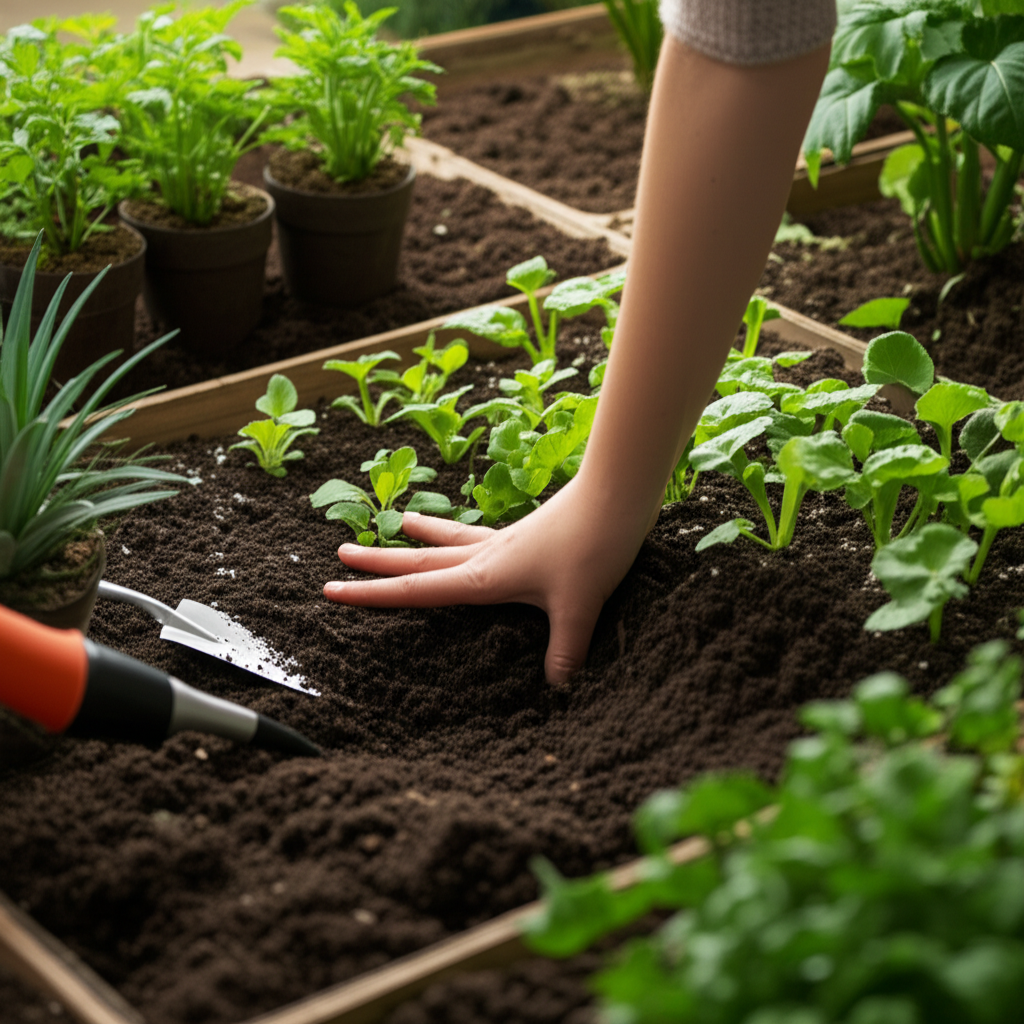
Imagine stepping into your basement and being greeted not by forgotten boxes, but by the vibrant greenery and fresh aroma of your very own thriving garden. For too long, basements have been overlooked spaces, often deemed unsuitable for growing anything beyond dust bunnies. But what if we told you that with the right approach – specifically, leveraging the power of smart soil and intelligent upgrades – your basement could become a year-round haven for fresh produce, herbs, and even ornamental plants?
The dream of a perpetual garden, regardless of the weather outside, is now incredibly accessible. This comprehensive guide will delve deep into the world of smart soil technology, explaining how it, combined with modern horticultural innovations, can transform your basement into a productive and sustainable indoor growing environment. Get ready to cultivate your green thumb like never before!
Why Your Basement is an Indoor Garden Goldmine
While the initial thought of a basement garden might conjure images of dim corners and struggling plants, the reality is quite the opposite. Basements offer a unique set of advantages that make them ideal for controlled environment agriculture:
- Stable Temperatures: Unlike outdoor gardens or even sunrooms, basements maintain a relatively consistent temperature year-round, protecting your plants from extreme heatwaves or frosty nights. This stability minimizes plant stress and promotes steady growth.
- Pest and Disease Control: Being an enclosed space, your basement garden is naturally shielded from most outdoor pests and airborne diseases, significantly reducing the need for chemical interventions.
- Complete Environmental Control: This is where the magic truly happens. In a basement, you have the power to dictate every aspect of your plants’ environment – light, humidity, temperature, and air circulation – ensuring optimal conditions for vigorous growth.
- Maximized Space: Basements often offer ample unused square footage, perfect for vertical gardening systems that can dramatically increase your yield in a compact area.
By embracing these inherent benefits and strategically addressing the primary challenge – the lack of natural light – you’re poised to create an indoor garden that outperforms many outdoor counterparts.
Understanding Smart Soil: The Foundation of Your Basement Oasis
At the heart of any successful basement garden, especially one aiming for efficiency and robust growth, lies smart soil. But what exactly is it, and how does it differ from the garden soil you might be familiar with?
Smart soil isn’t your grandma’s backyard dirt. It’s a specially engineered growing medium designed to provide plants with an optimal balance of aeration, moisture retention, and nutrient delivery, often with integrated intelligence for monitoring. Unlike dense, unpredictable traditional garden soil, smart soil is formulated for consistency and peak performance, making it ideal for controlled indoor environments where every variable counts.
Key Characteristics of Smart Soil:
- Soilless Mixes: Most smart soils are "soilless," meaning they don’t contain actual dirt. Instead, they rely on inert, sterile components like coco coir (from coconut husks), perlite (volcanic rock), vermiculite (mineral), and peat moss. These materials offer excellent drainage, aeration, and water-holding capacity without compacting.
- Optimized pH Buffers: Smart soils often include amendments that help maintain a stable pH level, crucial for nutrient absorption. This eliminates much of the guesswork involved in traditional gardening.
- Slow-Release Nutrients: Many smart soil blends come pre-loaded with a balanced set of macro and micronutrients that are slowly released over time, feeding your plants consistently without the need for frequent manual fertilization.
- Beneficial Microbes: Some advanced smart soils incorporate mycorrhizal fungi or other beneficial microbes that enhance nutrient uptake and root health, mimicking a healthy natural ecosystem.
- Integrated Monitoring (Optional but Recommended): The "smart" aspect often extends to embedded or add-on sensors that monitor moisture levels, nutrient availability (EC), and pH, providing real-time data to help you make informed decisions.
By choosing smart soil, you’re providing your plants with a clean, consistent, and highly efficient root environment, setting them up for success from day one.
Building Your Basement Smart Soil System: A Step-by-Step Guide
Embarking on your basement gardening journey requires thoughtful planning and setup. Here’s how to construct a robust smart soil system:
Planning Your Basement Garden Layout
Before buying a single seed, assess your space. Consider available floor space, wall space for vertical systems, and proximity to power outlets. Decide what you want to grow: leafy greens and herbs are excellent for beginners due to their relatively quick harvest and moderate light requirements, while fruiting plants like tomatoes or peppers will demand more intense light and a longer growing season.
Choosing Your Smart Soil Base
You can opt for commercially available "smart soil" products, which are often pre-mixed and nutrient-fortified, or you can create your own blend. A popular DIY mix might include 60% coco coir, 30% perlite, and 10% vermiculite, to which you’d add a slow-release organic fertilizer. For specific plant types, research their preferred soil composition. For instance, plants that like slightly acidic conditions might benefit from a peat-heavy mix.
Setting Up Your Growing Containers
Choose containers that suit your plants and space. Self-watering pots are fantastic for basement setups, reducing the frequency of manual watering and ensuring consistent moisture. Fabric grow bags promote excellent root aeration, preventing root rot. For larger operations, consider raised beds or modular vertical systems. Always ensure adequate drainage to prevent waterlogging, even with smart soil.
The Crucial Role of Light
This is arguably the most critical component of any basement garden. Natural light is absent, so you’ll need to replicate it with artificial grow lights.
- LED Grow Lights: These are the gold standard for indoor gardening due to their energy efficiency, long lifespan, and customizable spectrums. Full-spectrum LEDs are excellent for all growth stages.
- Placement and Timing: Position your lights according to plant height, typically 6-24 inches above the canopy, adjusting as plants grow. Use a simple timer to provide a consistent light cycle (e.g., 14-16 hours on, 8-10 hours off for most vegetables).
Environmental Control Essentials
Beyond light, managing temperature, humidity, and airflow is paramount for plant health and preventing issues like mold.
- Temperature: Aim for a consistent temperature range, typically between 65-75°F (18-24°C) for most common garden plants. Heaters or air conditioners might be necessary depending on your basement’s natural climate.
- Humidity: Basements can be damp. Invest in a dehumidifier if humidity consistently exceeds 60%, as high humidity can encourage fungal growth. Conversely, if the air is too dry, a small humidifier might be needed, especially for tropical plants.
- Air Circulation: Gentle air movement is vital for strengthening plant stems, aiding in transpiration, and preventing stagnant air that can foster disease. Small oscillating fans pointed above the plant canopy will suffice.
Smart Soil Upgrades: Taking Your Basement Garden to the Next Level
Once your basic smart soil system is established, you can introduce a range of upgrades to enhance automation, efficiency, and yield. These upgrades transform your garden from functional to truly "smart."
Automated Monitoring & Control
This is where your garden starts to think for itself.
- Smart Sensors: Integrate Wi-Fi enabled soil moisture, pH, and EC (electrical conductivity for nutrient levels) sensors directly into your growing medium. These sensors send real-time data to your smartphone, alerting you when action is needed.
- Automated Watering Systems: Connect your smart sensors to automated drip irrigation or pump systems. When soil moisture drops below a set threshold, the system automatically waters your plants, taking the guesswork and daily chore out of irrigation.
- Automated Nutrient Dosing: For advanced setups, integrate smart pumps that can precisely deliver liquid nutrients based on EC sensor readings, ensuring your plants always have the perfect food supply.
Advanced Lighting Solutions
Upgrade your lighting for even greater control and efficiency.
- Dimmable & Spectrum-Tunable LED Lights: These allow you to adjust light intensity and even the color spectrum to match different plant growth stages (e.g., blue light for vegetative growth, red light for flowering).
- Smart Timers with Sunrise/Sunset Simulation: Beyond simple on/off, these timers can gradually increase and decrease light intensity, mimicking natural daylight cycles and reducing plant shock.
Integrated Nutrient Delivery Systems
While smart soil provides a nutrient base, active feeding can dramatically boost growth.
- Hydroponic-Assist Systems: Even in soil, you can use liquid nutrients. Consider a small reservoir with a pump for precise nutrient delivery, either manually or automated.
- Auto-Dosing Pumps: These precisely inject nutrient solutions into your watering system based on programmed schedules or sensor feedback, ensuring consistent feeding.
Air Purification & CO2 Enrichment
Optimizing your air quality can significantly impact plant health and growth rates.
- Small Air Purifiers: While not strictly for plants, a small air purifier can help keep the basement air clean, reducing spores and dust that might affect plant health.
- CO2 Generators/Tablets: For experienced growers looking to maximize yields, increasing CO2 levels in a sealed environment can accelerate photosynthesis. Small CO2 generators or slow-release tablets are available, but require careful monitoring.
Vertical Gardening & Space Optimization
Don’t let limited floor space deter you.
- Modular Vertical Systems: Stackable planters, wall-mounted pockets, or tiered shelving units can multiply your growing area without expanding your footprint. These are particularly effective for leafy greens and herbs.
- Aeroponic Towers: While technically soilless, these can be integrated into a smart soil strategy for high-density growing of certain crops, utilizing minimal space.
Maintaining Your Smart Soil Basement Garden
Even with smart tech, a little human oversight goes a long way. Regular maintenance ensures your garden remains productive and healthy.
Regular Checks & Adjustments
Periodically calibrate your sensors to ensure accuracy. Visually inspect your plants for any signs of stress, discoloration, or pests. Your smart system will alert you to many issues, but your eyes remain the best diagnostic tool.
Nutrient Management
Even with slow-release nutrients in your smart soil, plants are hungry. As they grow, you’ll need to supplement. Follow a feeding schedule for liquid nutrients or replenish your slow-release amendments as directed by the product. Monitor your EC sensor readings to gauge nutrient availability.
Pest and Disease Prevention
While basements offer protection, pests can still find their way in. Maintain cleanliness, ensure good airflow, and quarantine any new plants before introducing them to your main garden. Early detection and organic pest control methods are key.
Harvesting and Replanting
Harvest regularly to encourage continuous production. Many herbs and leafy greens thrive on a "cut-and-come-again" approach. Plan your planting schedule to ensure a continuous supply of fresh produce.
Realizing Your Basement Garden Dreams
The journey from a forgotten basement corner to a vibrant, productive garden is incredibly rewarding. With smart soil as your foundation and intelligent upgrades enhancing efficiency, you’re not just growing plants; you’re cultivating a sustainable lifestyle, enjoying fresh, chemical-free produce year-round, and deepening your connection to nature, even indoors.
Start small, learn as you go, and don’t be afraid to experiment. The beauty of a controlled basement environment is that you have the power to tweak and optimize until you find the perfect balance for your chosen crops.
Conclusion
Transforming your basement into a thriving garden is no longer a futuristic fantasy; it’s an achievable reality thanks to advancements in smart soil technology and integrated growing systems. By understanding the unique advantages of your basement, selecting the right smart soil, implementing essential environmental controls, and embracing intelligent upgrades, you can unlock a world of year-round harvests.
Say goodbye to seasonal limitations and hello to a bountiful, sustainable source of fresh food right beneath your feet. The power to cultivate a flourishing indoor oasis is within your grasp. Start your basement garden journey today and experience the unparalleled joy and satisfaction of growing your own!