
 By rifan muazin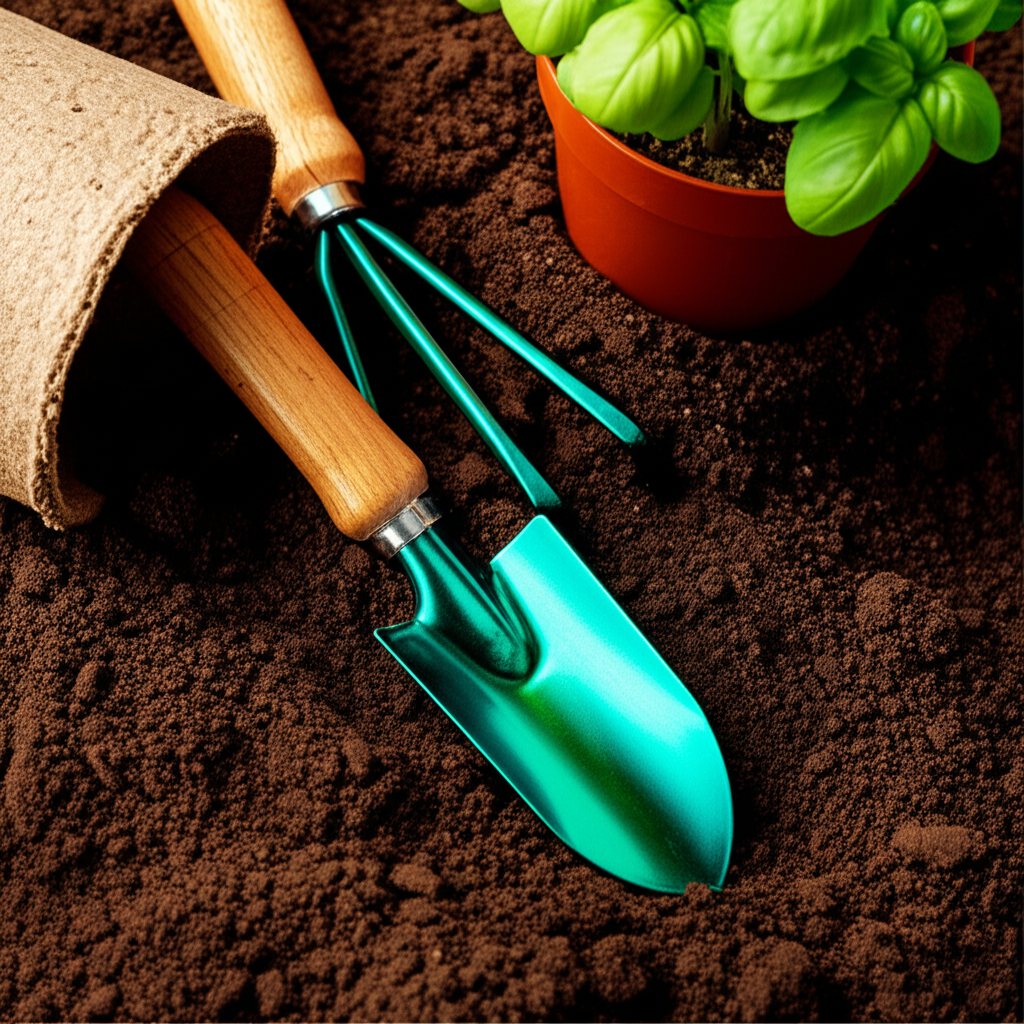
Imagine fresh herbs on your counter in the dead of winter, vibrant microgreens gracing your salads, or even a small tomato plant ripening indoors – all thanks to your often-underestimated basement space. Basement gardening offers an incredible opportunity to extend your growing season, cultivate unique plants, and connect with nature regardless of the weather outside. However, turning a cool, dimly lit basement into a verdant oasis isn’t as simple as hauling in a bag of topsoil. The secret to success, especially for beginners, lies not just in the right lights and humidity, but profoundly in the very foundation of your plants: the soil.
This in-depth guide will demystify the art and science of creating the perfect beginner-friendly soil plan for your basement garden. We’ll explore why standard garden soil simply won’t cut it, walk you through the essential components of a thriving indoor mix, and provide practical, step-by-step instructions to ensure your subterranean green space flourishes. Get ready to dig in and discover the foundational secrets to a successful basement garden!
The Basement Challenge: Why Regular Soil Won’t Cut It
Before we dive into mixing, it’s crucial to understand why a basement environment presents unique challenges for plants and, consequently, for their soil. Your typical backyard soil, rich and loamy under the sun, transforms into a dense, waterlogged nightmare indoors.
Light Deprivation: More Than Just Sunlight
In a basement, natural light is often minimal to non-existent. This means you’ll be relying on artificial grow lights. While these lights provide the necessary spectrum for photosynthesis, they don’t replicate the full dynamic ecosystem that sunlight fosters in outdoor soil. Outdoor soil benefits from diverse microbial activity that thrives under natural conditions, breaking down organic matter and making nutrients available. In a basement, your soil mix needs to be self-sufficient and highly effective at nutrient delivery without this natural assist.
Humidity and Airflow: A Double-Edged Sword
Basements are notorious for higher humidity levels and often poorer air circulation compared to outdoor spaces. While some humidity can be beneficial for plants, excessive levels combined with stagnant air create a breeding ground for fungal diseases like powdery mildew and damping-off, especially in the soil itself. A dense, poorly draining soil mix will exacerbate these issues, holding too much moisture around roots and suffocating them, leading to root rot – the silent killer of many indoor plants. Your soil needs exceptional drainage and aeration to combat this.
Temperature Fluctuations: The Hidden Stressor
Basements can be surprisingly stable in temperature, often cooler than the rest of the house. However, they can also be prone to cold drafts or localized temperature swings, especially near windows or exterior walls. Soil plays a vital role in buffering these temperature changes around the plant’s roots. A good indoor soil mix will have enough organic matter to insulate roots, preventing them from experiencing sudden chills or overheating, which can stress the plant and hinder growth.
Crafting Your Ideal Basement Soil: The Essential Ingredients
Forget bagging up dirt from your yard. For basement gardening, we’re building a specialized, lightweight, and highly functional growing medium. The good news? It’s easier than you think to mix your own!
The Foundation: Peat Moss or Coco Coir
These are the backbone of most indoor potting mixes, and for good reason. They are lightweight, sterile, and excellent at retaining moisture while still allowing for good aeration.
- Peat Moss: A classic choice, peat moss is highly acidic (pH 3.5-4.5), which can be beneficial for acid-loving plants but often needs to be balanced with a liming agent for most vegetables and herbs. It’s superb at holding water and nutrients.
- Coco Coir: A more sustainable alternative derived from coconut husks, coco coir has a more neutral pH (5.5-6.5), making it a popular choice for beginners as it requires less pH adjustment. It has excellent water retention and aeration properties, often outperforming peat in rewetting ability if it dries out completely.
- Beginner Tip: For most general-purpose basement gardening, coco coir is often a slightly easier starting point due to its more neutral pH.
For Aeration and Drainage: Perlite or Vermiculite
These volcanic minerals are crucial for preventing compaction and ensuring your plant’s roots can breathe. Without them, your base material (peat/coir) would become too dense and waterlogged.
- Perlite: These lightweight, white volcanic glass pebbles create permanent air pockets in the soil, vastly improving drainage and aeration. They don’t retain much water themselves, ensuring that excess moisture can escape. Think of them as tiny, inert sponges that hold air.
- Vermiculite: This mineral expands when heated, creating a soft, absorbent material that holds both water and nutrients (it has a higher cation exchange capacity than perlite). While it also improves aeration, its primary strength is moisture retention and nutrient buffering.
- Comparison: If you struggle with overwatering, favor more perlite. If you tend to underwater or want more moisture retention and nutrient holding, incorporate more vermiculite. A 50/50 blend of both is an excellent all-around choice for beginners.
Nutrient Powerhouse: Compost or Worm Castings
While peat and coco coir are great for structure, they offer very little in the way of nutrients. This is where high-quality organic matter comes in.
- Compost: Well-rotted compost provides a slow, steady release of essential nutrients, improves soil structure, and introduces beneficial microorganisms. Always use fully mature compost to avoid introducing pathogens or attracting pests.
- Worm Castings: Often called "black gold," worm castings (worm poop) are incredibly rich in readily available nutrients, beneficial microbes, and trace elements. They act as a gentle, natural fertilizer and soil conditioner.
- Beginner Tip: Both are fantastic. Worm castings are often easier to source in smaller quantities and are exceptionally gentle, making them ideal for new growers concerned about over-fertilizing.
The pH Balancer: Dolomite Lime (Optional but Recommended)
If you’re using peat moss as your primary base, a small addition of dolomite lime is highly recommended.
- Dolomite Lime: This natural rock dust provides both calcium and magnesium, and crucially, it raises the pH of acidic peat moss to a more plant-friendly range (6.0-6.8) suitable for most vegetables and herbs. Without it, your plants might struggle to absorb nutrients even if they are present in the soil.
- When to Use: Essential if using peat moss. Less critical but still beneficial if using coco coir for its calcium/magnesium content.
Your First Batch: A Simple Soil Mixing Recipe
Ready to get your hands dirty? Mixing your own soil is a rewarding experience and ensures you have the perfect blend for your basement plants.
Gathering Your Tools
You’ll need a few basic items:
- A large tarp or mixing tub (a clean kiddie pool works great!)
- A sturdy shovel or hand trowel
- Gardening gloves
- Measuring containers (a 5-gallon bucket is ideal for parts)
- A watering can or spray bottle
The Basic Proportions (A Great Starting Point)
For a versatile, beginner-friendly basement mix, aim for these proportions:
- 1 part Peat Moss or Coco Coir (your base)
- 1 part Perlite and/or Vermiculite (for aeration and drainage; a 50/50 blend of perlite/vermiculite is excellent)
- 1 part High-Quality Compost or Worm Castings (for nutrients)
- (Optional, but recommended with peat): Add 1 tablespoon of Dolomite Lime per gallon of peat moss used in your mix.
Example: If your "part" is a 5-gallon bucket:
- 1 bucket coco coir
- 1/2 bucket perlite + 1/2 bucket vermiculite
- 1 bucket worm castings
- (If using peat) 5 tablespoons dolomite lime
The Mixing Process
- Lay it Out: Spread your tarp on the floor in an area where you have plenty of space.
- Add the Base: Pour your peat moss or coco coir onto the tarp. Break up any compacted blocks, especially with coco coir, which often comes compressed.
- Incorporate Aeration: Add your perlite and/or vermiculite on top.
- Introduce Nutrients: Spread your compost or worm castings over the mix.
- Add pH Balancer (if using): Sprinkle the dolomite lime evenly.
- Mix Thoroughly: Using your shovel or trowel (and gloved hands!), start mixing all the components together. Turn the pile over and over, ensuring there are no pockets of unmixed material. You want a uniform, fluffy, and consistent texture.
- Slightly Moisten: Once thoroughly mixed, lightly mist the entire blend with water until it’s evenly damp, like a wrung-out sponge. This prevents dust, activates the organic matter, and makes it easier to work with when filling containers. Avoid making it soggy.
Nurturing Your Basement Soil: Ongoing Care Tips
Your ideal soil mix is only the beginning. Proper management ensures its longevity and your plants’ health.
The Right Containers: Drainage is Key
Even the best soil mix will fail without adequate drainage. Always choose containers with plenty of drainage holes. Fabric grow bags are particularly excellent for basement gardening as they promote "air pruning" of roots and provide superior aeration to the root zone, preventing waterlogging. If using plastic pots, ensure holes are clear and consider adding a layer of coarse perlite or small pebbles at the bottom for extra measure (though a good soil mix should make this less critical).
Watering Wisely: Avoiding the Soggy Bottom
Overwatering is the number one killer of indoor plants. Since basements often have higher humidity and less evaporation, your plants might need less frequent watering than outdoor plants.
- Feel the Soil: Stick your finger about an inch or two into the soil. If it feels dry, it’s time to water. If it’s still damp, wait.
- Lift the Pot: Get a feel for the weight of a dry pot versus a freshly watered one.
- Water Thoroughly, Then Drain: When you water, do so until water drains from the bottom of the pot. Ensure any excess water is removed from saucers after about 30 minutes to prevent root rot.
Feeding Your Plants: Gentle Nutrition
Your initial soil mix provides a good nutrient boost, but your plants will eventually deplete these resources.
- Start Slow: Wait a few weeks after potting before introducing supplemental fertilizer.
- Liquid Organic Fertilizers: For beginners, liquid organic fertilizers (like fish emulsion or a balanced organic liquid feed) are easy to use and less prone to causing nutrient burn than granular options.
- Follow Instructions: Always dilute according to package directions, and when in doubt, use a weaker solution than recommended. It’s easier to add more than to recover from over-fertilization.
Pest and Disease Prevention: A Clean Slate
Starting with sterile components (peat, coco coir, perlite, vermiculite) greatly reduces the risk of soil-borne pests and diseases. Good airflow around your plants (a small oscillating fan can work wonders) and proper watering practices are your best defense. Regularly inspect your plants for any signs of trouble.
When to Refresh Your Soil
Over time, your soil will lose structure and nutrients.
- Repotting: When plants outgrow their containers, repot them into a larger pot with fresh soil mix.
- Top-Dressing: For established plants you don’t want to repot, carefully remove the top inch or two of old soil and replace it with fresh compost or worm castings to replenish nutrients.
Pitfalls to Sidestep: Common Beginner Soil Blunders
Even with the best intentions, new gardeners can make a few common mistakes. Awareness is your first line of defense!
Using Garden Soil Directly
We can’t stress this enough: do not use soil from your garden. It’s too dense, can harbor pests, diseases, and weed seeds, and will quickly compact in a container, suffocating roots and leading to disaster in a basement environment.
Over-Complicating the Mix
While there are countless soil amendments out there, for a beginner, keeping it simple is key. Master the basic components first, then experiment with more specialized additions once you’ve gained confidence.
Ignoring Drainage
Whether it’s choosing pots without holes or letting pots sit in standing water, neglecting drainage is a recipe for root rot and plant death. Always prioritize good drainage.
Over-Fertilizing
More is not always better when it comes to plant nutrients. Too much fertilizer can "burn" roots, leading to plant stress or even death. Start with a nutrient-rich soil mix and introduce supplemental feeding cautiously.
Cultivating Confidence, One Pot at a Time
Embarking on a basement gardening adventure is an exciting step towards year-round greenery and self-sufficiency. While the unique challenges of an indoor, subterranean environment might seem daunting, mastering your soil plan is the most significant leap you can take towards success. By understanding the roles of each ingredient and following these straightforward steps, you’ll create a thriving foundation for your plants, ensuring robust growth and bountiful harvests.
So, roll up your sleeves, gather your ingredients, and mix your way to a flourishing basement garden. With the right soil, your green thumb will quickly adapt to this unique space, proving that even in the absence of sunlight, life finds a way to thrive – especially with a little help from a well-prepared gardener. Happy growing!