
 By rifan muazin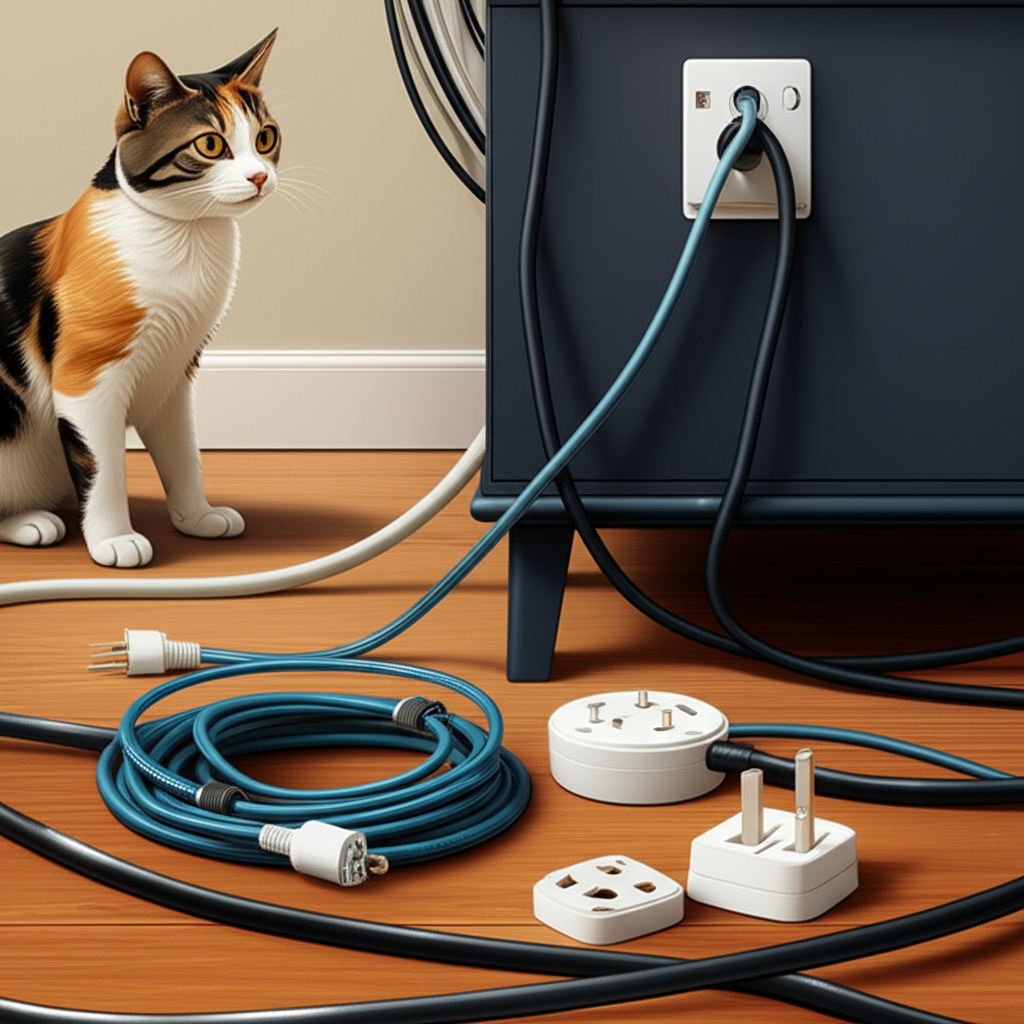
Our furry, feathered, or scaled companions bring immeasurable joy into our lives. They’re family. But let’s be honest: their boundless curiosity and playful antics often clash with the modern home’s inevitable sprawl of electrical cables. From puppies teething on charging cords to cats batting at loose speaker wires, the sight of exposed, tangled cables isn’t just an eyesore – it’s a significant safety hazard for both your beloved pet and your household.
Imagine a home where you don’t have to constantly supervise your mischievous furball near the entertainment center. A sanctuary where tripping over a rogue power strip is a distant memory, and the aesthetic appeal of your space isn’t marred by a spaghetti junction of wires. This isn’t a pipe dream; it’s an achievable reality with a well-thought-out cable management strategy. This in-depth roadmap will guide pet owners through every step of transforming a hazardous, messy cable situation into a safe, organized, and beautifully integrated part of your home. Get ready to reclaim your peace of mind and protect your precious pets.
Beyond the Mess: Why Pet-Proofing Cables is Non-Negotiable
It’s easy to dismiss a few loose wires as "just part of life with pets." However, understanding the gravity of the situation is the first step toward effective change. Pet-proofing isn’t just about aesthetics; it’s about life and limb.
The Hidden Dangers: More Than Just a Nuisance
The risks associated with exposed or damaged electrical cables in a pet-friendly home are serious and far-reaching:
- Electrocution: This is perhaps the most frightening risk. A curious pet gnawing through a live wire can suffer severe burns, organ damage, or even immediate death. Even a minor shock can cause lasting trauma.
- Fire Hazards: Damaged insulation on wires can lead to short circuits, overheating, and sparks, potentially igniting nearby flammable materials like carpets, curtains, or pet bedding.
- Tripping Hazards: For humans, loose cables are a significant tripping hazard, especially in high-traffic areas or for elderly family members. For pets, entanglement can lead to injury, particularly if they panic and pull on connected devices.
- Costly Damage: Beyond the safety concerns, replacing chewed-through charging cables, expensive HDMI cords, or even damaged electronic devices can quickly add up, creating an unnecessary financial burden.
Decoding Pet Behavior: Why They Chew
Understanding why your pet targets cables is crucial for effective prevention. It’s rarely out of malice; instead, it’s usually driven by instinct or unmet needs:
- Curiosity: New objects or textures are fascinating, especially for young pets. Cables often lie on the floor or dangle, making them irresistible playthings.
- Teething: Puppies and kittens, much like human babies, explore the world with their mouths. Chewing on firm, yet yielding, objects like cables can soothe sore gums.
- Boredom or Anxiety: Pets left alone for extended periods without sufficient mental or physical stimulation may resort to destructive behaviors, including chewing, to relieve boredom or stress.
- Play Drive: The movement of a loose cable can mimic prey, triggering a cat’s hunting instincts or a dog’s desire to play tug-of-war.
The Pre-Cleanup Prep: A Digital Detox for Your Home
Before you can organize, you must first understand what you’re dealing with. This initial assessment phase is critical for a truly effective cable management strategy. Think of it as spring cleaning for your electronics.
Assess, Audit, and Purge: What Stays, What Goes
Embark on a thorough room-by-room walkthrough of your entire home. This isn’t just about spotting cables; it’s about getting hands-on:
- Unplug Everything: For a true audit, unplug every device. This not only makes the process safer but also reveals the sheer volume of cables.
- Categorize Cables: As you unplug, sort cables into three piles:
- Essential: These are actively used and necessary for daily life (e.g., TV, internet router, computer, phone chargers).
- Seldom Used: Cables for seasonal decorations, backup devices, or items you only use occasionally.
- Obsolete/Unknown: These are the mystery cables – old phone chargers, ancient printer cables, or cords for devices you no longer own.
- Purge and Recycle: Be ruthless with the "Obsolete/Unknown" pile. If you haven’t used it in a year and don’t know what it’s for, chances are you don’t need it. Many electronics stores or recycling centers accept old cables. For "Seldom Used" cables, coil them neatly, label them, and store them in a designated drawer or box.
- Identify "Hot Zones": Note areas where cables are most exposed, where your pet spends significant time, or where they’ve shown interest in chewing before. These are your priority areas.
Map Your Digital Landscape
With your essential cables identified, take a moment to visualize your setup. Where do devices need to connect? Where are the outlets? Sketching a simple diagram of your room layouts, device locations, and the ideal paths for your cables can reveal surprising insights and help you plan your solutions more effectively.
Arming Your Arsenal: Essential Tools for Pet-Safe Cable Management
Now that you know what you’re working with, it’s time to gather the right tools. A combination of physical barriers, strategic placement, and smart power solutions will create an impenetrable fortress against curious paws and jaws.
Physical Barriers: The First Line of Defense
These tools create physical obstacles, making cables inaccessible or unappealing to pets.
- Cable Sleeves & Wraps: These are fantastic for bundling multiple cables together into a single, cohesive unit.
- Neoprene Sleeves: Soft, flexible, and often zippered, they offer good protection and a clean look. They’re great for behind desks or entertainment centers.
- Braided Sleeves: Made from durable PET material, these are more chew-resistant and offer a sleek, tech-savvy appearance.
- Split Loom Tubing: A corrugated plastic tube that opens lengthwise, allowing you to insert cables easily. It’s highly protective and often used in automotive applications, making it very pet-proof.
- Cable Conduits & Raceway Systems: These are rigid or semi-rigid channels that mount to walls or run along floors, completely concealing and protecting cables.
- Adhesive Cable Channels: Often made of PVC, these come in various colors and profiles (D-shaped, square) that can be painted to match your decor. They adhere to walls and baseboards, providing a clean, protected path for wires.
- Floor Cord Covers: Low-profile rubber or PVC ramps that cover cables running across open floor spaces, preventing trips and protecting wires from being stepped on or chewed.
- Cord Protectors/Bites: For individual, high-traffic cords like phone chargers or laptop power cables, consider spiral wraps or small, rubberized cable bites that reinforce the weakest points near connectors.
- Furniture Placement: Sometimes the simplest solution is the best. Strategically place heavy furniture (sofas, bookshelves, media consoles) to block access to wall outlets or the tangle of wires behind your TV. Ensure there’s no small gap where a determined pet can squeeze through.
- Enclosed Media Cabinets/Desks: Invest in furniture designed with cable management in mind. These often feature enclosed backs, grommets for routing wires, and hidden compartments for power strips, effectively making all cables invisible and inaccessible.
Strategic Placement & Securing
Beyond outright barriers, how you place and secure your cables makes a huge difference.
- Adhesive Cable Clips/Ties: Use these to secure cables firmly along baseboards, under desks, or behind furniture. The goal is to eliminate any loose, dangling wires that might tempt a pet. Ensure clips are strong enough to hold the cable weight and adhere well.
- Zip Ties or Reusable Velcro Straps: Once cables are bundled and routed, use zip ties or Velcro straps to tidy up any excess length, keeping bundles compact and close to surfaces. Velcro is often preferred for its reusability.
- Wall Mounting: Whenever possible, mount TVs, speakers, and other devices directly to the wall. This instantly removes numerous cables from floor level, making them harder for pets to reach. Route the remaining power and data cables through wall-mounted raceways or, for a truly integrated look, behind the wall using professional kits.
- Outlet Covers/Safety Plugs: For any unused or low-lying outlets, use child-proof safety plugs. While designed for children, they also prevent pets from poking their noses or paws into electrical sockets.
Invest in Smart Power Solutions
Modern power solutions offer integrated cable management, simplifying your setup and enhancing safety.
- Surge Protectors with Cable Management: Look for surge protectors that include built-in cable wraps, channels, or even small compartments designed to neatly tuck away excess cord length and power bricks.
- Power Strips with Covers/Boxes: These enclosed units house the entire power strip and its plugged-in adapters, creating a neat, contained box that protects against dust and, crucially, curious pets. Many also offer surge protection.
Beyond Hardware: Training and Deterrents for Curious Critters
While physical barriers are essential, combining them with behavioral strategies creates the most robust pet-proofing system.
Taste Aversion: Making Cables Unappetizing
Certain tastes and smells can deter pets from chewing on forbidden items.
- Bitter Apple Spray: This widely available, non-toxic spray leaves a foul taste that most pets find repulsive. Lightly spray it on protected cable sleeves or areas where cables are still somewhat exposed. Always test on an inconspicuous spot first.
- Citrus Scents: Many cats dislike citrus. Wiping cables with a diluted lemon juice solution or placing citrus peels near cable hot zones can sometimes act as a deterrent.
- Cayenne Pepper (Use with Extreme Caution): A very light dusting of cayenne pepper on an area can deter some pets due to its taste. However, this should be used with extreme caution, as it can be irritating if pets rub it into their eyes or ingest large quantities. Always opt for non-irritating alternatives first.
Redirection & Enrichment: A Proactive Approach
Often, chewing behavior stems from boredom or a need for mental and physical stimulation.
- Provide Ample Chew Toys: For dogs, ensure a variety of appropriate, durable chew toys are always available. Rotate them to keep things interesting. For cats, offer scratching posts, interactive toys, and catnip-filled items.
- Interactive Play: Dedicate time each day for active play with your pet. A tired dog or cat is less likely to seek out destructive activities.
- Puzzle Feeders: These toys dispense treats or food as your pet solves a puzzle, providing mental stimulation and keeping them occupied.
- Training: Teach your dog commands like "leave it" or "drop it" from a young age. This can be invaluable if you catch them investigating a cable.
Supervision and Consistency
Especially with young or new pets, vigilance is key. Monitor their behavior around cables. If you catch them chewing, immediately redirect them to an appropriate toy and praise them when they engage with it. Consistency in both deterrence and redirection will reinforce desired behaviors over time.
Tailoring Your Strategy: Room-Specific Cable Solutions
While the principles remain the same, applying cable management varies slightly from room to room based on the types and density of electronics.
The Living Room Hub
This is often the most challenging area due to TVs, gaming consoles, sound systems, and streaming devices.
- Media Consoles: Choose a console with a closed back and cutouts for cable routing. This keeps everything contained.
- Wall Mounting: Mount your TV and soundbar to the wall, running cables through paintable raceways or within the wall for a seamless look.
- Cable Sleeves & Power Strips: Bundle all power and HDMI cables behind the console using sleeves. Use a power strip with a cover to hide the plug chaos.
- Floor Cord Covers: For speaker wires or charging cables that must cross open floor, use flat, adhesive-backed floor covers.
The Home Office Sanctuary
Desks, multiple monitors, printers, and charging stations can quickly become a tangled mess.
- Under-Desk Cable Trays: These metal or plastic baskets attach to the underside of your desk, providing a hidden space to coil excess cables and house power strips.
- Cable Spines/Snakes: For standing desks, a flexible cable spine that runs from the floor to the desk underside keeps wires tidy as the desk moves.
- Grommets: If your desk doesn’t have them, consider drilling holes (with a grommet kit) to route cables directly from the desktop to underneath.
- Monitor Arm with Cable Management: Many monitor arms feature integrated channels to route display and power cables, keeping them off the desk surface.
Bedroom Retreats
Often simpler, but still prone to charging cable chaos.
- Behind-the-Bed Solutions: Use adhesive clips or channels to run lamp and charger cables along the back of your headboard or nightstands, keeping them off the floor.
- Bedside Charging Stations: Dedicated charging hubs with short cables or integrated wireless charging can consolidate all your device power needs into one neat unit.
- Under-Rug Channels: For lamps or alarms not near an outlet, consider flat, low-profile cable channels designed to run discreetly under rugs.
Kitchen & Utility Areas
While less tech-dense, small appliances still have cords.
- Appliance Garages: If your kitchen design includes an appliance garage, this is an ideal spot to hide toasters, blenders, and their cords when not in use.
- Cord Wraps/Clips: Use adhesive clips on the back of countertops or within cabinets to keep appliance cords neatly coiled and out of reach when the appliance is stored.
- Magnetic Cable Holders: Small magnetic clips can attach to the side of appliances or metallic surfaces to hold charging cables for smart speakers or tablets.
A Harmonious Home Awaits
Embarking on this ultimate cable management roadmap for pet owners is an investment – an investment in your pet’s safety, your home’s aesthetics, and your own peace of mind. It may seem daunting at first, but by breaking it down into manageable steps, from purging old wires to installing clever solutions and reinforcing good behavior, you’ll systematically transform your living space.
Remember, this isn’t a one-time fix but an ongoing process. As new devices enter your home or your pet’s behavior evolves, be prepared to adapt your strategy. The result is a harmonious environment where your beloved companions can explore safely, and you can relax without the constant worry of tangled hazards. Start today, and create the secure, organized, and beautiful home you and your pets deserve.