
 By Nana Wu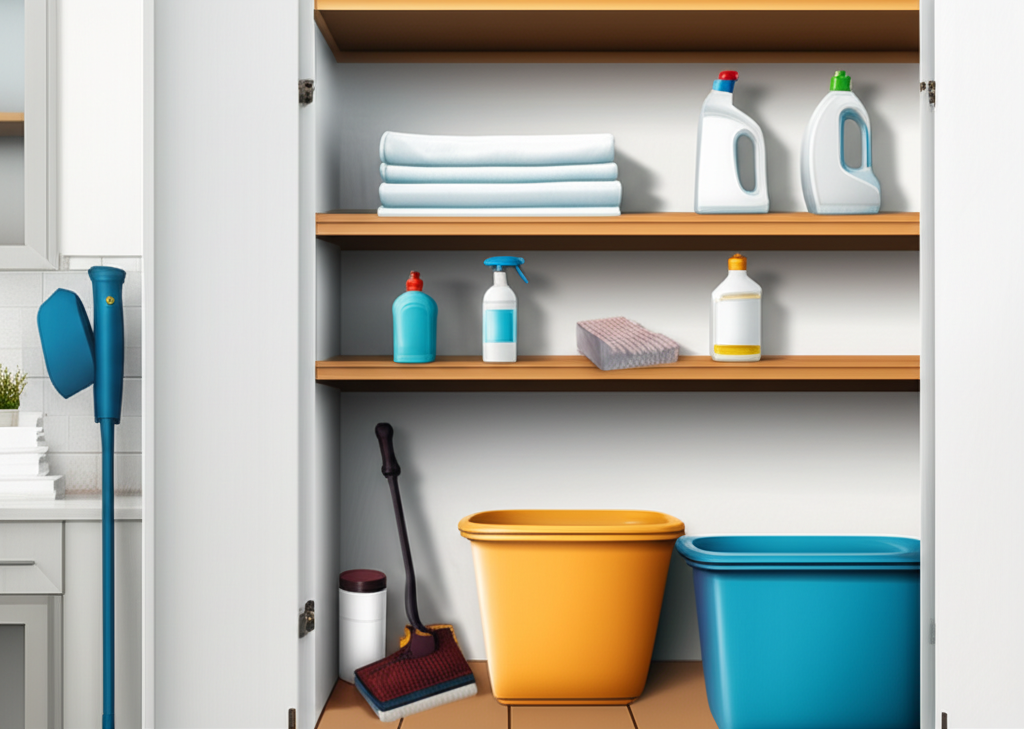
We all dream of a home that practically cleans itself, but until that futuristic marvel arrives, we rely on a trusty arsenal of detergents and cleaning supplies. Yet, for many, this essential collection often devolves into a chaotic jumble under the sink, in cluttered cabinets, or precariously stacked by the washing machine. This disarray doesn’t just look messy; it wastes time, creates frustration, and can even be a safety hazard.
But what if there was a better way? What if your detergent layout wasn’t an afterthought, but a carefully planned system that made cleaning faster, safer, and even a little more enjoyable? Welcome to the world of proven detergent layouts – designs that prioritize efficiency, accessibility, and aesthetics. This isn’t about rigid rules, but about smart strategies to transform your cleaning routine from a chore into a streamlined operation. Let’s dive in and unlock the secrets to a perfectly organized cleaning hub.
Why a Thoughtful Detergent Layout Matters More Than You Think
Before we grab our labels and storage bins, let’s understand the profound impact a well-designed detergent layout can have on your daily life. It’s far more than just tidiness.
Beyond Just Storage: The Efficiency Boost
Imagine reaching for your laundry detergent and finding it immediately, exactly where it should be. No rummaging, no knocking over other bottles, no frantic search for that elusive stain remover. A proven detergent layout shaves precious minutes off your chores, reduces decision fatigue, and minimizes the mental load associated with cleaning. When everything has a designated home and is easily accessible, tasks become less daunting and more automatic. This translates into more free time and less stress.
Protecting Your Investment (and Your Home)
Detergents, especially liquids, are prone to spills and leaks. A haphazard storage system can lead to damaged cabinets, stained floors, or ruined products. By planning a layout, you proactively create designated zones that mitigate these risks. Furthermore, a well-organized system inherently prioritizes safety, especially in homes with curious children or pets. Keeping hazardous chemicals securely stored and out of reach is paramount, and a smart layout makes this effortless.
Aesthetic Appeal: A Clean Look, A Clear Mind
Let’s be honest: a cluttered space contributes to a cluttered mind. Piles of mismatched bottles and boxes can make even the cleanest room feel dishevelled. By implementing a cohesive detergent layout, you transform a potentially chaotic area into one that feels intentional and calm. Uniform containers, thoughtful labeling, and smart storage solutions contribute to a visually pleasing environment that supports a sense of order and tranquility in your home.
Phase 1: Assess Your Needs and Space – The Foundation of Your Layout
Every successful organizational project begins with a clear understanding of what you have and where it needs to go. This foundational phase is crucial for planning an effective and proven detergent layout.
Inventory Your Arsenal: What Do You Actually Use?
Before you buy a single storage container, take stock of your cleaning supplies. Gather everything you own and categorize it.
- Laundry Essentials: Liquid detergent, powder, pods, fabric softener, bleach, stain removers, laundry boosters (e.g., OxiClean), dryer sheets, scent boosters.
- Kitchen Cleaners: Dish soap, dishwasher pods/liquid, surface sprays, oven cleaner, specialized appliance cleaners.
- Bathroom Cleaners: Toilet bowl cleaner, shower spray, tile cleaner, glass cleaner.
- General Purpose: All-purpose cleaner, floor cleaner, wood polish.
Be honest with yourself: Do you use everything you own? Discard expired products, consolidate nearly empty bottles, and donate anything you bought on a whim and never used. This decluttering step alone will reveal your true needs. Also, consider if you buy in bulk versus smaller, more manageable quantities, as this impacts storage requirements.
Map Your Mission: Where Do These Tasks Happen?
The golden rule of organization is to store items where they are used.
- Laundry: Clearly, the laundry room or dedicated laundry area will be your primary focus.
- Kitchen: Under the sink, a pantry shelf, or a utility cabinet near the kitchen.
- Bathroom: Under the vanity sink, a linen closet, or a small caddy.
Think about the flow of your home. If you frequently use a specific all-purpose cleaner throughout the house, perhaps a central utility closet makes sense, with smaller decanted bottles in individual rooms.
Measure Twice, Organize Once: Understanding Your Dimensions
This step is often overlooked but is absolutely critical. Grab a tape measure and document the dimensions of your available storage spaces:
- Cabinet Interiors: Width, depth, and height of shelves.
- Under Sink Areas: Note any pipes or obstructions.
- Wall Space: For shelves or mounted organizers.
- Between Appliances: Is there a narrow gap for a pull-out cart?
- Countertop Space: How much valuable surface area do you have?
Knowing these measurements prevents frustrating purchases and ensures your chosen storage solutions fit perfectly, making your detergent layout truly proven and practical.
Phase 2: Designing Your Detergent Zones – Principles of Proven Layouts
Now that you know what you have and where it needs to go, let’s delve into creating specific, functional zones for your detergents.
The Laundry Hub: Heart of Detergent Operations
This is often the busiest and most challenging area to organize.
- Above Appliance Storage: If you have cabinets or sturdy shelving above your washer and dryer, this is prime real estate for frequently used items like laundry pods, liquid detergent (decanted into a uniform dispenser), and fabric softener. Keep heavier items on lower shelves for safety and ease of access. Wall-mounted shelving can be a DIY-friendly solution if cabinets aren’t present.
- Beside Appliance Storage: For narrow gaps between appliances or walls, slim rolling carts or pull-out pantry-style drawers are game-changers. These can hold tall bottles of bleach, stain removers, or even a small bin for dryer sheets.
- Under Sink/Countertop Storage: Use this space for bulkier items, less frequently used specialized cleaners, or a dedicated caddy for stain treatment tools (brushes, specific pre-treatments). Turntables (lazy Susans) are fantastic here for maximizing corner access.
- Vertical Space Utilization: Don’t forget the back of the door! Over-the-door organizers with clear pockets can hold smaller items like dryer balls, lint rollers, or individual stain remover sticks. Tall, narrow shelving units can also make use of vertical space in tight laundry rooms.
Kitchen & Bathroom: Targeted Solutions
While smaller, these areas still benefit immensely from thoughtful detergent layouts.
- Under Sink Caddies: The space under kitchen and bathroom sinks is notorious for becoming a dumping ground. Invest in pull-out drawers, tiered organizers, or clear bins. These prevent items from getting lost at the back and make cleaning supplies easily accessible. Group items: dish soap, sponges, and dishwasher pods in one caddy; bathroom sprays and scrubbers in another.
- Wall-Mounted Dispensers: For hand soap and even dish soap, wall-mounted dispensers free up valuable countertop space and offer a sleek, modern look.
- Hidden but Accessible: If you have deep drawers in your bathroom vanity, small, labeled bins can keep items like shower cleaner concentrates or extra sponges neatly tucked away.
Safety First: Keeping Detergents Out of Reach
Regardless of the zone, safety must always be a top priority.
- Child Locks: Essential for any cabinets or drawers storing hazardous chemicals, especially if children are present.
- High Shelves: Store highly toxic or corrosive cleaners on the highest possible shelves, out of reach.
- Original Containers: While decanting is great for aesthetics, always keep cleaning products in their original, clearly labeled containers if there’s any doubt about their contents or specific usage instructions. If you do decant, transfer warning labels or create detailed labels yourself.
Phase 3: Smart Storage Solutions and Aesthetic Touches
With your zones defined, it’s time to select the right tools and add the finishing touches that elevate your detergent layout from merely functional to truly inspiring.
Containers & Decanting: The Pro Organizer’s Secret
This is where the magic happens, transforming a chaotic collection into a cohesive display.
- Clear, Airtight Containers: For laundry powders, borax, or other dry boosters, clear acrylic or glass containers are ideal. They prevent clumping, allow you to see when supplies are low, and instantly upgrade the visual appeal.
- Glass or Ceramic Dispensers: For liquid detergents and fabric softeners, elegant dispensers with pumps or spouts can reduce visual clutter and make pouring mess-free. Just ensure they are durable and have a wide enough opening for refills.
- Labeling is Key: Whether you use a label maker, vinyl decals, or simple handwritten tags, clear, consistent labeling is non-negotiable. It ensures everyone knows what’s what and helps maintain the system. Imagine the frustration of grabbing fabric softener instead of detergent!
Organizational Tools That Work Wonders
The right tools are your allies in maintaining a proven detergent layout.
- Turntables (Lazy Susans): Perfect for corners or deep cabinets, they bring items from the back to the front with a simple spin.
- Clear Bins & Baskets: Categorize items within cabinets or on shelves. Clear bins make it easy to see contents, while baskets add a decorative touch and contain potential spills.
- Tiered Shelving Inserts: These create instant vertical space within existing cabinets, preventing items from getting lost behind one another.
- Wall-Mounted Hooks & Rods: Ideal for hanging spray bottles, cleaning brushes, or even small caddies, freeing up counter space.
Integrating Style: Making it Look Good
A functional space can also be beautiful.
- Cohesive Aesthetic: Choose storage containers, bins, and baskets that complement your home’s decor. A consistent color palette (e.g., all white, clear, or natural wood) creates a calm, organized look.
- Thoughtful Details: If space allows, a small plant, a framed print, or a decorative jar for clothespins can add personality and make the laundry room feel less utilitarian.
Step-by-Step: Implementing Your Proven Detergent Layout
Ready to put it all together? Follow these simple steps for a smooth transformation.
- Declutter Ruthlessly: As discussed, remove anything expired, unused, or broken.
- Clean the Space Thoroughly: Wipe down shelves, cabinets, and countertops. Start with a fresh slate.
- Group Similar Items: Place all laundry items together, all kitchen items together, etc.
- Measure and Purchase Appropriate Storage: Based on your measurements and inventory, acquire your containers, bins, and organizational tools.
- Place Frequently Used Items Within Easy Reach: Use the "prime real estate" for your daily essentials. Heavy items go low, small items go in bins.
- Label Everything Clearly: This is crucial for long-term maintenance.
- Regularly Review and Maintain: A proven layout isn’t a one-time fix. Periodically check for clutter, refill dispensers, and adjust as your needs change.
Conclusion: A Clean Home, A Clear Mind
Planning a proven detergent layout might seem like a small detail in the grand scheme of home organization, but its impact is anything but. By investing a little time and thought into how you store and access your cleaning supplies, you’re not just tidying up; you’re streamlining your daily routines, enhancing safety, and creating a more peaceful, aesthetically pleasing environment.
Imagine the satisfaction of a laundry room where every item has its place, a kitchen sink area that feels calm and uncluttered, and bathrooms that are always ready for a quick clean. This level of organization reduces stress, saves time, and ultimately contributes to a happier, more efficient household. So, take the leap – assess your needs, design your zones, and choose your storage solutions. You’ll be amazed at how a perfectly planned detergent layout can transform your approach to a spotless home.