
 By rifan muazin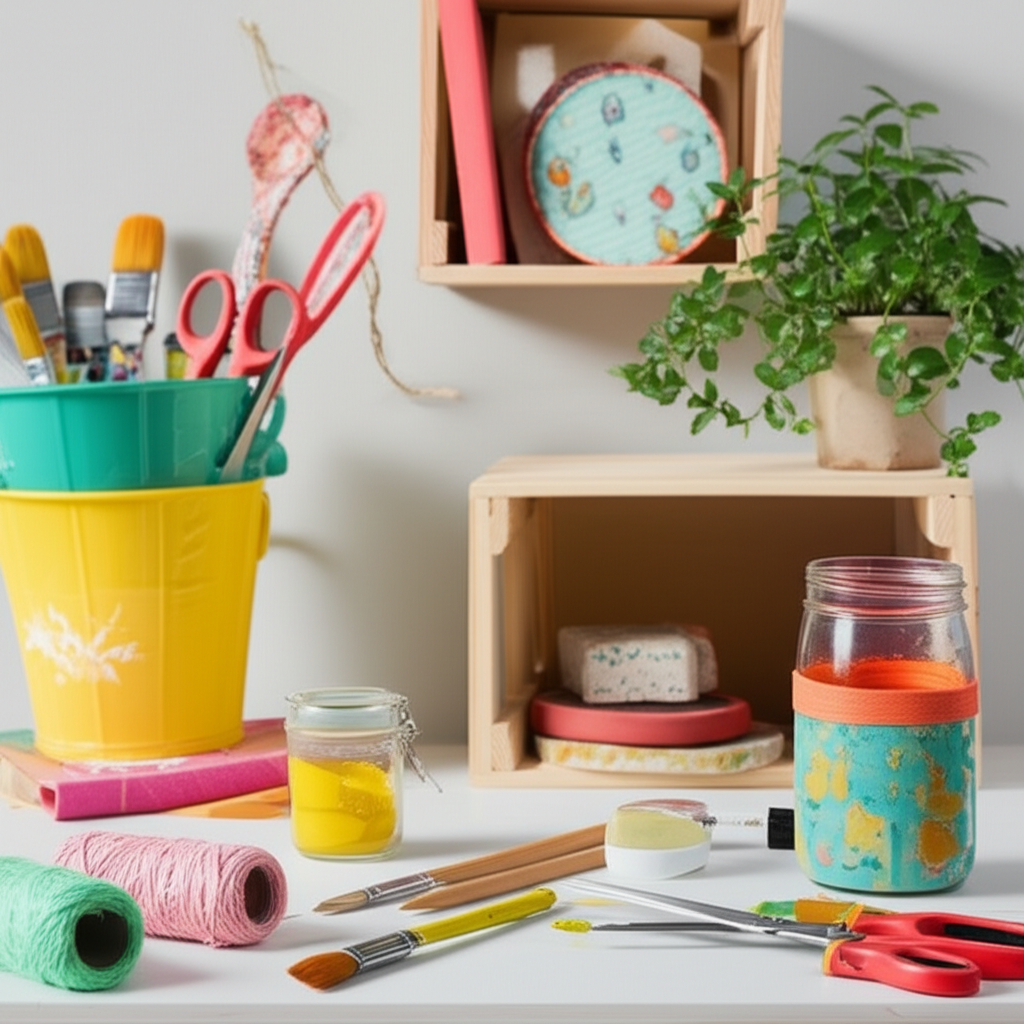
In a world that constantly demands our time and attention, the idea of adding another "project" to your plate can feel utterly overwhelming. Yet, a growing desire for sustainable living, unique home decor, and a creative outlet often leaves us yearning for more. This is where upcycling steps in – not as another chore, but as a surprisingly accessible and incredibly rewarding endeavor, even for the busiest among us.
Upcycling, the art of transforming discarded items into new products of higher value, doesn’t require a dedicated workshop, advanced skills, or endless hours. It’s about seeing potential where others see waste and making small, impactful changes. If you’ve ever admired a beautifully repurposed piece online but felt you lacked the time or talent, this comprehensive guide is for you. We’re about to unveil a beginner’s upcycling roadmap designed specifically for busy people, proving that eco-friendly creativity can fit seamlessly into your hectic schedule.
Why Bother? Upcycling’s Unexpected Perks for Your Hectic Life
Before we dive into the "how," let’s explore the compelling reasons why upcycling deserves a spot in your life, even when time is a precious commodity. These aren’t just about saving the planet; they’re about enhancing your well-being and home.
Stress Buster & Creative Outlet: A Mental Escape
Life’s relentless pace can leave us feeling drained. Upcycling offers a mindful pause, a chance to step away from screens and engage your hands and mind in a different way. The simple act of sanding, painting, or arranging can be incredibly therapeutic, allowing you to channel focus and creativity, providing a much-needed mental break. It’s a productive form of self-care.
Budget-Friendly Decor & Functional Fixes: Save Money, Gain Style
Renovating your home or simply updating your decor can be an expensive affair. Upcycling provides a brilliant alternative. Instead of buying new, you can transform existing items or inexpensive thrift store finds into unique, personalized pieces that reflect your style without breaking the bank. Imagine turning an old dresser into a chic bar cabinet or a collection of jars into a stylish spice rack – all for the cost of a little paint and effort.
Sustainable Living, One Project at a Time: Your Eco-Impact
In an age of conscious consumerism, upcycling is a powerful way to reduce waste and minimize your environmental footprint. Every item you rescue from the landfill and give a new purpose contributes to a healthier planet. It’s a tangible way to practice sustainability and feel good about your choices, making a real difference without radical lifestyle changes.
Skill Building & Confidence Boost: More Than Just a Craft
Starting small with upcycling allows you to gradually build practical skills – from basic sanding and painting techniques to understanding color theory and simple joinery. Each completed project, no matter how minor, provides a sense of accomplishment and boosts your confidence. You’ll begin to see yourself as a creator, capable of transforming the ordinary into the extraordinary.
The Busy Person’s Playbook: Mindset Shifts for Upcycling Success
Success in upcycling, especially with limited time, hinges on adopting the right approach. Let go of perfectionism and embrace efficiency.
Start Small, Think Big (Later): Embrace Micro-Projects
This is perhaps the most crucial rule for busy upcyclers. Don’t aim to refinish an entire armoire on your first try. Instead, focus on "micro-projects" that can be completed in 15-60 minutes, or broken down into small, manageable steps. Quick wins build momentum and confidence without demanding huge chunks of time.
Tools of the Trade (Minimalist Edition): What You Really Need
Forget the intimidating power tools. A beginner’s upcycling kit is surprisingly lean and affordable:
- Sandpaper: Assorted grits (fine to medium) for smoothing surfaces.
- Paint & Brushes: Chalk paint (often requires minimal prep) or spray paint (for speed). A few good quality brushes.
- Adhesive: Strong craft glue, wood glue, or hot glue gun.
- Cutter/Scissors: For fabric or paper.
- Cleaning Supplies: Rags, all-purpose cleaner.
- Measuring Tape/Ruler: For accuracy.
- Protective Gear: Gloves, old clothes, drop cloths.
The "Done is Better Than Perfect" Mantra: Let Go of Perfectionism
Embrace imperfections. A slightly uneven paint stroke or a rustic finish adds character and charm. The goal isn’t to create a factory-perfect item, but to give something new life and make it uniquely yours. Focus on the transformation and the joy of creation, not on achieving an unattainable ideal.
Batching & Borrowing: Smart Time Management
Maximize your limited time by "batching" similar tasks. If you have several items that need sanding, do all the sanding at once. If multiple pieces need a primer coat, apply it to everything at the same time. Don’t own a specific tool? Ask a friend or neighbor if you can borrow theirs before investing.
Inspiration Hunting (Efficiently): Where to Find Ideas Without Drowning
Avoid endless scrolling. When seeking inspiration, be targeted.
- Pinterest: Create a dedicated "Quick Upcycle Ideas" board.
- Instagram: Follow specific hashtags like #easyupcycle, #beginnersdiy, #fastupcycle.
- Blogs & Websites: Look for "1-hour projects" or "beginner-friendly transformations."
- Look at What You Have: Before searching for ideas, assess your available "junk." Often, the object itself will spark an idea.
Your Beginner’s Upcycling Roadmap: From Idea to "Ta-Da!"
Ready to transform? Here’s a simple, actionable roadmap to guide your first upcycling adventures.
Step 1: The Great Declutter & Discovery Mission
Start by looking around your home. What do you no longer use or love? What’s destined for the bin or donation pile?
- Common finds: Old glass jars, tin cans, small wooden boxes, outdated picture frames, single socks, worn-out t-shirts, unused decorative plates, small pieces of furniture (stools, side tables).
- The "Upcycle It or Toss It?" Question: Hold up an item. Does it have a good basic structure? Can you envision a simple new purpose? If yes, keep it!
Step 2: Vision Boarding (The Quick Version)
Once you have an item, briefly consider its new life.
- Function: Do you need a new planter? A desk organizer? A decorative accent?
- Aesthetics: What color scheme fits your home? What style are you aiming for (rustic, modern, bohemian)?
- Quick Match: Does that old tin can look like it could be a perfect holder for your paintbrushes? Does that old picture frame have the right dimensions for a small memo board? A mental image or a quick sketch is all you need.
Step 3: Gather Your (Minimalist) Arsenal
Refer back to your minimal tool list. Collect everything you need before you start to avoid interruptions. This might mean a quick trip to a craft store or hardware store, but stick to the basics.
Step 4: Prep Work – The Non-Negotiable Foundation
This is the most crucial step, often overlooked by beginners, but it ensures a lasting finish.
- Clean: Thoroughly clean your item. Remove dust, grime, and any sticky residue.
- Sand (if needed): For wooden items or anything with a glossy finish, a light sanding with fine-grit sandpaper creates a "tooth" for paint to adhere to. For chalk paint, often no sanding is needed!
- Prime (if needed): If you’re painting a dark item a light color, or working with a tricky surface like plastic or metal, a quick coat of primer will save you multiple paint coats later.
Step 5: The Transformation – Simple Techniques for Big Impact
This is where the magic happens! Focus on straightforward techniques:
- Painting: The quickest way to transform an item.
- Spray Paint: Excellent for speed and smooth finishes on metal, plastic, or intricate shapes. Work in a well-ventilated area with light, even coats.
- Chalk Paint: User-friendly, often requires no priming or sanding, and creates a lovely matte, distressed finish.
- Acrylic Paint: Versatile for smaller details, stenciling, or hand-painting designs.
- Decoupage: Adhering paper or fabric cutouts onto a surface using a special glue/sealant (like Mod Podge). Perfect for adding patterns to jars, boxes, or tabletops.
- Stenciling: Use stencils with paint to add patterns, words, or designs to flat surfaces.
- Adding New Hardware: Swapping out old knobs or pulls on a small drawer or box can instantly modernize or refresh its look.
- Simple Re-covering: For small stools or cushions, a new piece of fabric stapled or glued over the old can completely change its appearance.
Practical Examples for Busy People:
- Old Jar to Decorative Vase: Clean, spray paint a solid color, then wrap twine or ribbon around the neck.
- Tin Can to Desk Organizer: Clean, prime (if metal), paint a bright color, and add a decorative paper band with decoupage.
- Small Wooden Box to Jewelry Tray: Clean, light sand, paint a contrasting color inside and out, line the bottom with a felt or velvet scrap.
- Outdated Picture Frame to Memo Board: Remove glass, paint frame, cut a piece of corkboard or fabric-covered cardboard to fit, insert into frame.
Step 6: Finishing Touches & Protection
- Seal: Apply a clear sealer (matte or glossy) to protect painted or decoupaged surfaces, especially for items that will see heavy use.
- Add Functionality: Attach small felt pads to the bottom of items to protect surfaces, add new feet to a small box, or hooks to a board.
Instant Gratification: Upcycling Projects for Your Busiest Days
Here are some specific, quick-win upcycling ideas that can often be completed in 30 minutes or less of active work time.
Jar & Bottle Brilliance: From Trash to Treasure
- Mason Jars: Paint them, fill them with fairy lights, use them for kitchen storage, or as desk organizers for pens and craft supplies.
- Wine Bottles: Clean, remove labels, and use as elegant candle holders or slender vases. You can even paint them a matte black or white for a minimalist look.
Tin Can Transformations: Functional & Stylish
- Herb Planters: Punch drainage holes, paint, and label for an indoor herb garden.
- Pen Holders/Utensil Caddies: Clean, paint, and group several together for a stylish storage solution.
Fabric Scraps & Old Clothes: Reimagined Textiles
- T-Shirt Yarn: Cut old t-shirts into strips to create "yarn" for simple weaving projects, pet toys, or even chunky placemats.
- Cleaning Rags: Cut up old towels or t-shirts for reusable, eco-friendly cleaning cloths.
- No-Sew Coasters: Cut denim scraps into squares and glue edges.
Bookish Beauties: Beyond the Bookshelf
- Book Pages for Collage: Tear out interesting pages for mixed-media art or to decoupage onto other items.
- Small Book Stacks: Group old hardcovers by color or size to create risers for plants or decorative objects.
The Humble Tray: A Quick Makeover
- Find an old serving tray, a plain wooden tray, or even a sturdy cardboard box lid.
- Repainting: Give it a fresh coat of spray paint or chalk paint.
- Decoupage: Line the bottom with decorative paper, fabric, or even a map.
- New Handles: If it’s a wooden tray, consider adding stylish new handles.
Your Sustainable Journey Starts Now
You don’t need to be a seasoned DIY expert or have hours to spare to embark on a fulfilling upcycling journey. This beginner’s roadmap for busy people is all about starting small, celebrating progress, and embracing the joy of creative reuse. Each transformed item is a testament to your ingenuity, your commitment to sustainability, and your ability to carve out moments of creativity in a busy world.
So, take a look around your home with fresh eyes. Pick one item, gather your basic tools, and follow these simple steps. The satisfaction of turning something old into something new and beautiful is incredibly rewarding. Your first upcycled masterpiece is just a few simple steps away. Happy creating!