
 By Nana Wu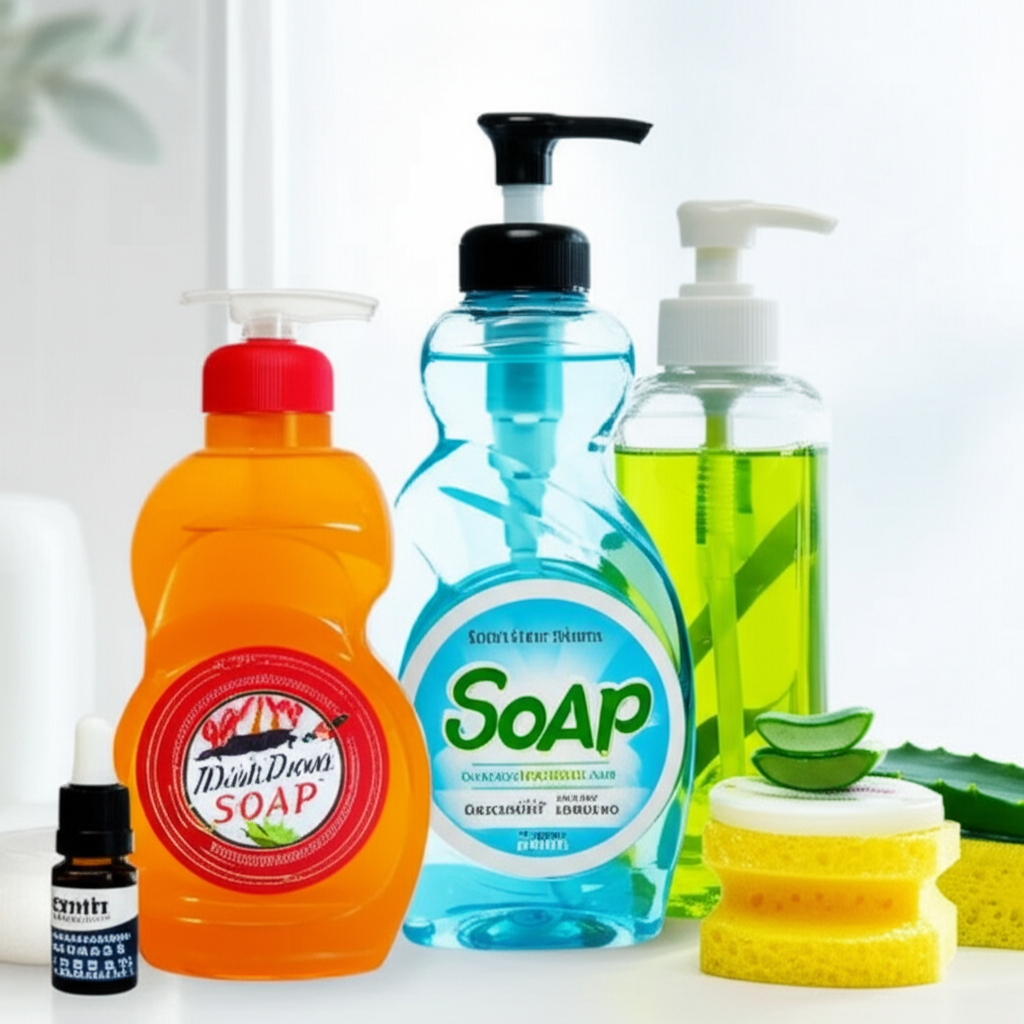
As the temperatures drop and the festive season approaches, our homes become havens of warmth and comfort. Yet, for all the cozy blankets and steaming mugs, winter often brings an unwelcome guest: dry, chapped hands. And nowhere does this struggle feel more acute than at the kitchen sink. The daily ritual of washing dishes, a necessary chore, can turn into a painful ordeal when your skin is already battling the harsh, dry air.
But what if your dish soap could be more than just a grease-cutting agent? What if it could be a silent partner in your winter hand-care routine, a small but mighty upgrade that transforms a mundane task into a moment of comfort? This in-depth guide will explore how to choose, use, and even make dish soap that not only tackles tough grime but also pampers your hands, supports your well-being, and even aligns with a more sustainable lifestyle. Get ready to elevate your dishwashing experience this winter – your hands will thank you!
Why Winter Demands a Dish Soap Rethink
The transition from autumn to winter brings significant environmental changes that directly impact our skin. Lower humidity, biting winds, and the constant cycle of indoor heating all conspire to strip moisture from our hands. When you then plunge them into water, especially hot water, and expose them to conventional dish soaps designed primarily for powerful degreasing, the result is often irritation, redness, and painful dryness.
Many standard dish soaps contain strong surfactants like Sodium Lauryl Sulfate (SLS) or Sodium Laureth Sulfate (SLES), which are incredibly effective at breaking down grease but equally adept at dissolving the natural lipid barrier on your skin. This protective barrier is crucial for retaining moisture. Repeated exposure without adequate rehydration can lead to chapped skin, cracked cuticles, and even exacerbate conditions like eczema. Upgrading your dish soap for winter isn’t a luxury; it’s a practical step towards maintaining healthy, comfortable hands throughout the season.
The Hand-Friendly Ingredient Checklist: What to Seek and What to Skip
Navigating the ingredient list on a bottle of dish soap can feel like deciphering a foreign language. However, armed with a little knowledge, you can make informed choices that prioritize both clean dishes and happy hands.
Key Ingredients to Embrace for Winter Hand Care
When selecting your winter dish soap, look for these moisturizing and soothing powerhouses:
- Glycerin: This humectant is a superstar for dry skin. It draws moisture from the air into your skin, helping to keep it hydrated and supple. Many gentle, plant-based soaps feature glycerin prominently.
- Aloe Vera: Renowned for its soothing and healing properties, aloe vera can help calm irritated skin and reduce redness. It’s a fantastic addition for hands prone to winter dryness.
- Vitamin E: An antioxidant that supports skin health and repair, Vitamin E can help protect your skin from environmental damage and promote healing of minor cracks or dryness.
- Natural Oils (Jojoba, Argan, Olive, Coconut): These oils provide emollient benefits, creating a protective barrier on your skin to lock in moisture and prevent further dehydration. They also contribute to a richer, more luxurious feel.
- Mild Surfactants: Instead of harsh sulfates, look for plant-derived alternatives like Decyl Glucoside or Coco-Glucoside. These are gentler on the skin while still effectively cleaning dishes.
- Hyaluronic Acid: While less common in dish soaps, some premium, skin-focused formulas might include this powerful humectant, offering an extra boost of hydration.
Ingredients to Avoid or Minimize
Conversely, be wary of these common culprits that can exacerbate winter dryness:
- Strong Sulfates (SLS, SLES): As mentioned, these powerful degreasers are notorious for stripping natural oils from the skin. Opt for "sulfate-free" labels.
- Artificial Fragrances: While pleasant, synthetic fragrances can be a common source of skin irritation and allergic reactions, especially for sensitive skin. Choose "fragrance-free" or those scented with natural essential oils.
- Dyes: Artificial colorants offer no functional benefit and can be another potential irritant. "Clear" or "dye-free" options are generally safer.
- Parabens and Phthalates: These preservatives and plasticizers are often avoided by consumers concerned about their potential endocrine-disrupting effects. Many natural brands have eliminated them.
Exploring Your Winter Dish Soap Upgrade Options
Beyond checking ingredient lists, consider the format of your dish soap. The market offers a surprising variety, each with unique benefits for winter.
Gentle Liquid Soaps: The Everyday Hero
Many brands now offer liquid dish soaps specifically formulated with sensitive skin in mind. Look for labels like "free and clear," "plant-based," or "hypoallergenic." Brands like Ecover, Seventh Generation, Mrs. Meyer’s Clean Day, and even specific lines from mainstream brands like Dawn Free & Clear, offer more gentle alternatives. These soaps still provide excellent cleaning power but are designed to be less harsh on your skin. They are readily available and integrate seamlessly into your existing routine.
Dish Soap Bars: A Sustainable & Skin-Loving Choice
Dish soap bars are experiencing a renaissance, and for good reason. They are often crafted with a focus on natural ingredients, including moisturizing oils like coconut oil, shea butter, and cocoa butter, making them inherently gentler on hands.
Benefits of Dish Soap Bars:
- Zero Waste: Most come in minimal, recyclable packaging, significantly reducing plastic waste.
- Skin-Friendly: Often free from harsh chemicals, dyes, and synthetic fragrances.
- Long-Lasting: A single bar can last for weeks or even months, making them cost-effective.
How to Use a Dish Soap Bar:
- Wet your sponge, brush, or cloth.
- Rub it directly onto the soap bar to create lather.
- Proceed with washing your dishes as usual.
- Keep the bar on a well-draining soap dish to prolong its life.
DIY Dish Soap: Customization for Ultimate Hand Comfort
For those who love to control every ingredient, making your own dish soap is a rewarding and surprisingly simple project. This allows you to tailor the formula precisely to your skin’s needs and your scent preferences.
Simple DIY Liquid Dish Soap Recipe:
- Ingredients:
- 1/2 cup Liquid Castile Soap (unscented)
- 1/2 cup distilled water
- 1 tablespoon Vegetable Glycerin (for extra moisture)
- 10-20 drops essential oil (optional: Lavender for soothing, Lemon or Tea Tree for cleansing boost)
- Instructions:
- In a clean, empty pump bottle, combine the Castile soap and water.
- Add the vegetable glycerin and essential oils.
- Gently shake the bottle to mix. Avoid vigorous shaking, as Castile soap can foam easily.
- Use as you would any liquid dish soap. This mild formula is excellent for sensitive hands.
Beyond the Bottle: Enhancing Your Dishwashing Experience
Upgrading your soap is a fantastic start, but a truly hand-friendly winter dishwashing routine involves a few other practical considerations.
The Power of Protective Gloves
This might seem obvious, but wearing dishwashing gloves is the single most effective barrier against winter dryness and irritation. Gloves create a physical shield, preventing direct contact with water and soap, no matter how gentle.
Tips for Winter Gloves:
- Lined Gloves: Opt for gloves with a soft cotton or fleece lining. They add an extra layer of warmth and comfort, absorb perspiration, and make the gloves easier to put on and take off.
- Proper Fit: Ensure your gloves fit well to maintain dexterity.
- Maintenance: Turn gloves inside out to dry thoroughly after each use to prevent mildew and odors. Replace them regularly.
Rethinking Water Temperature
While scalding hot water might feel effective, it’s a major culprit for stripping your skin’s natural oils. For winter, aim for lukewarm water. It’s still warm enough to help dissolve grease but gentle enough not to overly dry your hands. If you prefer hotter water for dish sanitization, definitely wear gloves!
The Role of Aroma: A Boost for Your Mood
Beyond skin benefits, scent can significantly impact your dishwashing experience. During the dark winter months, incorporating uplifting or calming aromas can transform a chore into a mini self-care ritual.
- Natural Essential Oils: Look for soaps scented with natural essential oils. Citrus scents (lemon, orange, grapefruit) are known for their uplifting and degreasing properties, while lavender can be calming. Peppermint offers an invigorating boost.
- Avoid Artificials: If you have sensitive skin, always opt for naturally scented or fragrance-free options. You can also add a few drops of your favorite essential oil to a diffuser near the sink for an aromatic boost without direct skin contact.
Sustainable Choices for a Greener Winter Kitchen
Upgrading your dish soap for winter can also align with a more eco-conscious lifestyle.
- Refill Options: Many brands now offer large refill pouches or bottles, reducing single-use plastic. Some local co-ops or zero-waste stores even have bulk liquid soap refill stations.
- Concentrated Formulas: These often come in smaller packaging, require less water in production, and last longer, meaning fewer purchases and less waste.
- Biodegradable Ingredients: Choose soaps formulated with ingredients that break down naturally, minimizing their impact on waterways and the environment.
Practical Tips for Maximum Winter Hand Care
Even with the best dish soap and gloves, winter demands a holistic approach to hand care.
- Moisturize Immediately: The "golden rule" of hand care. As soon as you finish washing dishes (and remove gloves), apply a rich hand cream or balm. This traps residual moisture in your skin.
- Overnight Treatment: For severely dry hands, apply a thick layer of a deeply moisturizing cream or petroleum jelly before bed, then wear cotton gloves overnight to enhance absorption.
- Hydrate from Within: Remember to drink plenty of water. Skin hydration starts from the inside out.
- Humidify Your Home: Combat the dry indoor air by using a humidifier, especially in areas where you spend a lot of time, like the kitchen or bedroom.
Conclusion: Transforming a Chore into a Ritual
Winter doesn’t have to mean sacrificing the health and comfort of your hands for the sake of clean dishes. By thoughtfully upgrading your dish soap, embracing protective measures, and incorporating simple self-care habits, you can transform a necessary household chore into a more pleasant, even pampering, experience.
From seeking out hydrating ingredients and exploring sustainable bar soaps to donning a pair of cozy lined gloves, every small adjustment contributes to healthier, happier hands. This winter, make the conscious choice to nurture your skin, one dish at a time. Your hands work hard for you all year round; now’s the perfect time to give them the gentle care they deserve.