
 By rifan muazin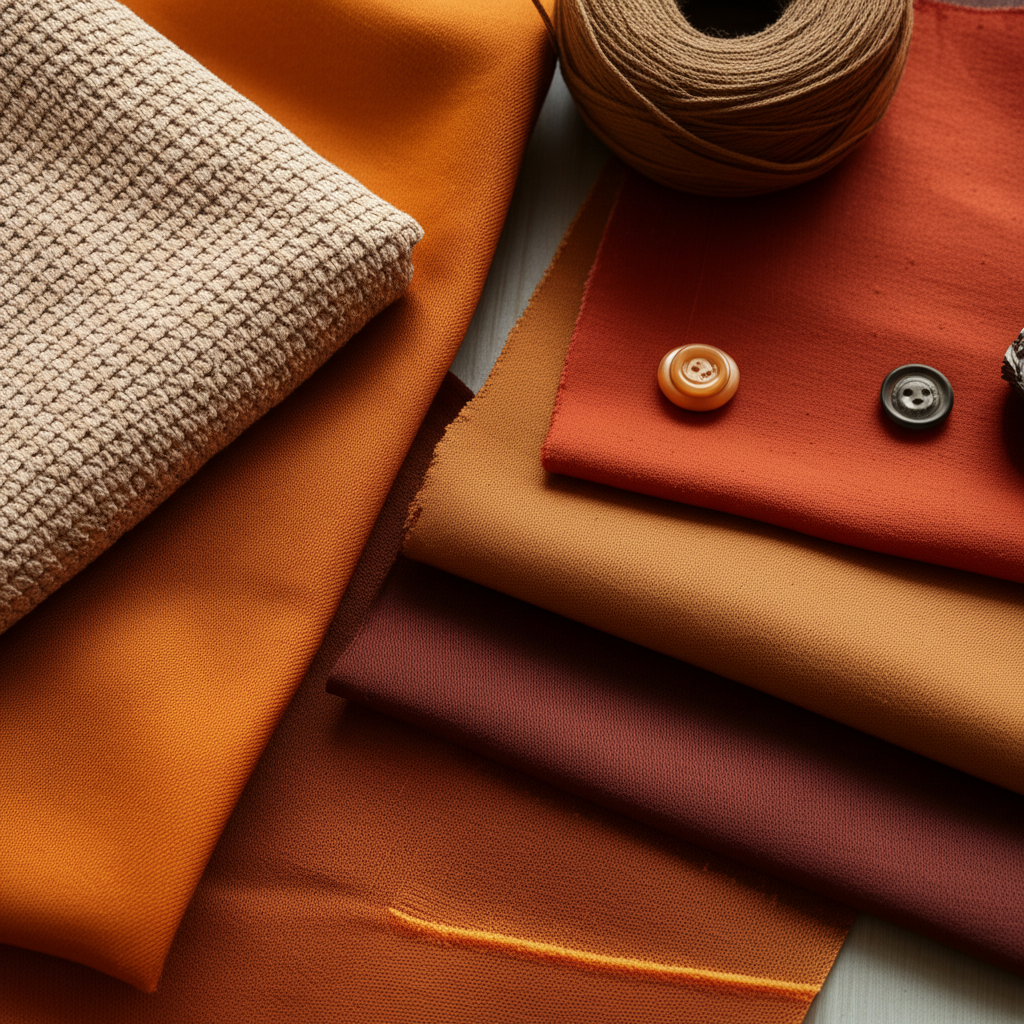
As the crisp autumn air sweeps in, carrying the scent of fallen leaves and pumpkin spice, our thoughts naturally turn to creating warm, inviting spaces. It’s the season of cozy blankets, flickering candles, and the comforting ritual of nesting. But what if we told you that embracing this beautiful season could also be a powerful step towards a more sustainable lifestyle? Enter the humble, yet mighty, fabric remnant – a treasure trove for eco-conscious living, especially when designing for fall.
In a world grappling with the environmental impact of fast fashion and textile waste, every scrap of fabric holds potential. This comprehensive guide will illuminate the path to transforming these often-overlooked pieces into stunning, functional, and deeply personal additions to your home and wardrobe. Get ready to discover how fabric remnants can not only infuse your autumn with warmth and style but also champion a mindful approach to consumption, one beautiful stitch at a time.
The Unsung Heroes: Why Fabric Remnants Matter
Before we dive into the creative possibilities, let’s understand the profound impact of choosing remnants. It’s more than just a craft choice; it’s a statement.
The Environmental Stitch-Up: Textile Waste Explained
The statistics are sobering. Millions of tons of textiles end up in landfills each year, contributing to greenhouse gas emissions, water pollution from dyes, and the depletion of natural resources. From the energy-intensive production of new fabrics to the chemicals used in processing and dyeing, the lifecycle of clothing and home textiles leaves a significant carbon footprint. Fabric remnants, whether they are end-of-bolt pieces from a fabric store, offcuts from larger projects, or even sections salvaged from old garments, represent an opportunity to divert material from waste streams and give it a vibrant second life. By choosing to work with what already exists, you actively participate in a circular economy, reducing demand for new production and minimizing environmental harm.
Beyond the Bin: The Economic & Creative Benefits
Beyond the undeniable environmental advantages, working with fabric remnants offers a wealth of personal benefits. Economically, they are often significantly cheaper than purchasing yardage, making beautiful materials accessible on a budget. This allows you to experiment with luxurious textures like wool, velvet, or linen that might otherwise be cost-prohibitive. Creatively, remnants are a playground for innovation. Their limited size encourages resourcefulness, pushing you to think outside the box and combine different patterns and textures in unique ways. The result is often a one-of-a-kind item imbued with character and a story, far more interesting than mass-produced alternatives.
Fall into Fabric: Sourcing Your Remnant Treasures
The hunt for the perfect fall remnants is part of the fun! Knowing where to look and what to seek out will set you up for success.
Where to Hunt for Your Autumnal Finds
Your local fabric store is an excellent starting point. Many have "end-of-bolt" bins or "scrap" sections where smaller cuts are sold at a discount. Don’t be shy about asking staff if they have any offcuts from upholstery or drapery projects. Online, platforms like Etsy, Facebook destash groups, and dedicated remnant sections on larger fabric retailer websites can yield unexpected treasures. Expand your search to include thrift stores, garage sales, and estate sales, where old curtains, tablecloths, blankets, or even well-loved wool sweaters can be deconstructed into usable fabric. And finally, look no further than your own home! That pair of jeans with a worn knee, the faded flannel shirt, or the leftover material from a past sewing project could be waiting to be repurposed.
What to Look For: Fall Fabric Characteristics
To truly capture the essence of autumn, focus on specific textures, colors, and patterns.
- Textures for Tactile Warmth: Think cozy and inviting. Wool, flannel, corduroy, tweed, and felt are perfect for their warmth and durability. Velvet and faux fur remnants add a touch of luxury and softness. Heavy cottons, denim, and even sturdy canvas can provide structure and a rustic feel.
- Colors that Evoke Autumn’s Palette: Embrace the rich, deep hues of the season. Earth tones like deep browns, moss greens, and muted grays provide a grounding base. Jewel tones such as cranberry red, sapphire blue, and amethyst purple add vibrancy. Don’t forget the quintessential fall shades: pumpkin orange, mustard yellow, and goldenrod.
- Patterns for Seasonal Charm: Plaids and checks are synonymous with fall and winter. Subtle florals, leaf motifs, and even simple geometric patterns can complement the autumnal theme. Consider mixing and matching different scales of patterns for visual interest.
Crafting Cozy: Fall Projects with Fabric Remnants
Now for the exciting part – turning those remnants into practical, beautiful items for your home and personal style.
Warmth & Welcome: Home Decor Accents
Transform your living space into an autumnal sanctuary with these remnant-based projects.
- Patchwork Pillows & Throws: This is a quintessential remnant project. Gather squares or rectangles of various fall-themed fabrics – a mix of flannel, corduroy, and perhaps a wool tweed. For a simple patchwork pillow, cut fabric pieces to the same size (e.g., 5×5 inches), arrange them in a pleasing pattern, and sew them together in rows, then join the rows. Once you have a square or rectangle large enough for your pillow form, add a backing fabric and a zipper or envelope closure. For a throw, scale up the idea, using larger remnants and a simple quilting technique, perhaps adding a flannel backing for extra warmth.
- Draft Stoppers: As temperatures drop, drafts can creep in. A fabric remnant draft stopper is both functional and stylish. Choose a heavier fabric like upholstery remnant, denim, or even thick felt. Cut a long rectangle (e.g., 6 inches wide by the length of your door/window sill). Fold it in half lengthwise, right sides together, and sew the long edge and one short end. Turn it right side out, fill it tightly with rice, beans, or even fabric scraps, and then sew the remaining open end closed.
- Cozy Coasters & Trivets: Small scraps are perfect for these. Layer several pieces of fabric (e.g., two outer pieces with a batting scrap in between) and quilt them together. Cut into squares, circles, or even leaf shapes. Finish the edges with a simple zigzag stitch or bias binding. These make wonderful hostess gifts!
- Autumnal Bunting & Garlands: For a festive touch, cut leaf shapes, pumpkins, or simple flag pennants from various fall-colored remnants. Sew them onto a length of bias tape or twine, leaving space in between, to create a charming garland for your mantelpiece or doorway.
- No-Sew Fabric Pumpkins/Gourds: A popular fall craft! Cut a large circle from a fabric remnant (flannel, velvet, or a textured cotton works well). Hand-sew a running stitch around the outer edge, about 1/2 inch in. Pull the thread to gather the fabric into a pouch, stuff it firmly with fiberfill or more fabric scraps, then pull the thread tight to close. Add a small twig or cinnamon stick for a "stem" and tie with a jute twine bow.
Personal Style & Practicality: Wearable & Usable Items
Extend your eco-conscious crafting to your personal accessories and everyday items.
- Upcycled Scarves & Headbands: Larger, softer remnants like lightweight wool, challis, or even a soft cotton can be transformed. Hem the edges of a rectangular remnant for a simple infinity scarf, or cut and sew smaller pieces into a stylish headband.
- Pocket Additions & Patches: Breathe new life into existing clothing. Add a decorative patch to a worn elbow on a sweater using a tweed remnant, or sew a new, patterned pocket onto a plain denim jacket. This is a fantastic way to personalize and extend the life of your garments.
- Key Fobs & Small Pouches: Tiny scraps find purpose here. Key fobs can be made by folding and sewing a small strip of fabric, then adding hardware. Small zippered pouches are ideal for coins, earbuds, or other tiny essentials, and are great for practicing zipper installation.
- Reusable Gift Bags & Wine Totes: With the holidays approaching, consider sewing reusable gift bags from medium-sized remnants. A simple drawstring bag works for smaller gifts, while a lined tote can be perfect for a bottle of wine or a collection of handmade treats.
Mastering Your Stash: Tips for Remnant Success
Working with remnants often means dealing with odd shapes and sizes. A little organization and smart thinking go a long way.
Organization is Key: Taming the Fabric Beast
The first step to loving your remnants is to organize them. Sort your fabric by size (e.g., large pieces, medium strips, tiny scraps), color, or fabric type. Clear bins or drawers allow you to see what you have at a glance. Labeling is your friend! Keep a separate "inspiration" bin for those truly tiny, beautiful scraps that you’re not sure how to use yet – they often spark unexpected ideas.
Thinking Small & Smart: Maximizing Every Inch
Learn to look at odd shapes not as limitations, but as unique starting points. Can that triangular piece become part of a pennant? Could those narrow strips be braided into a trim? Don’t be afraid to combine different remnants to achieve a cohesive look. For instance, if you have a beautiful but small piece of velvet, use it as a focal point, surrounding it with more readily available cotton or linen remnants. If a fabric is too thin for your project, consider adding a lightweight interfacing to give it more body and stability.
Embrace Imperfection: The Beauty of Handmade
The charm of handmade items, especially those crafted from remnants, often lies in their slight imperfections. A perfectly straight seam isn’t always the goal; it’s the unique combination of fabrics, the story behind each piece, and the fact that it was made with care and intention. Allow yourself the freedom to experiment and celebrate the unique character that emerges from working with repurposed materials.
Beyond the Project: A Lifestyle Shift
Using fabric remnants for your fall projects isn’t just about crafting; it’s about cultivating a more mindful way of living.
Mindful Consumption in Action
Every time you choose to repurpose a remnant, you’re making a conscious decision to value resources and reduce waste. This act connects you more deeply with the materials you use, fostering an appreciation for the journey of a textile from raw fiber to finished product. It’s a tangible way to participate in a more circular economy, where materials are kept in use for as long as possible.
Inspiring Others
Your beautiful, handmade creations from remnants can become powerful conversation starters. When friends and family admire your patchwork pillow or unique tote bag, you have an opportunity to share the story behind it – the eco-friendly choice, the creativity, and the joy of making something new from something old. Gifting handmade items made from remnants spreads this message further, encouraging others to consider their own consumption habits and explore the world of sustainable crafting.
Fall into Sustainability, One Remnant at a Time
As autumn deepens and the world outside invites coziness, there’s no better time to embark on your fabric remnant journey. This season, let your creativity blossom not just for aesthetic appeal, but for a purpose that resonates deeply with our planet’s well-being. From patchwork pillows that invite warmth to draft stoppers that seal out the chill, every project you undertake with fabric remnants is a step towards a more sustainable, mindful, and beautifully crafted life.
Embrace the rich textures, the earthy tones, and the endless possibilities that lie within these often-overlooked treasures. Transform your home, refresh your style, and make a tangible difference, one stitch, one scrap, one eco-conscious choice at a time. Your autumn sanctuary awaits, woven with stories and sustainability.