
 By rifan muazin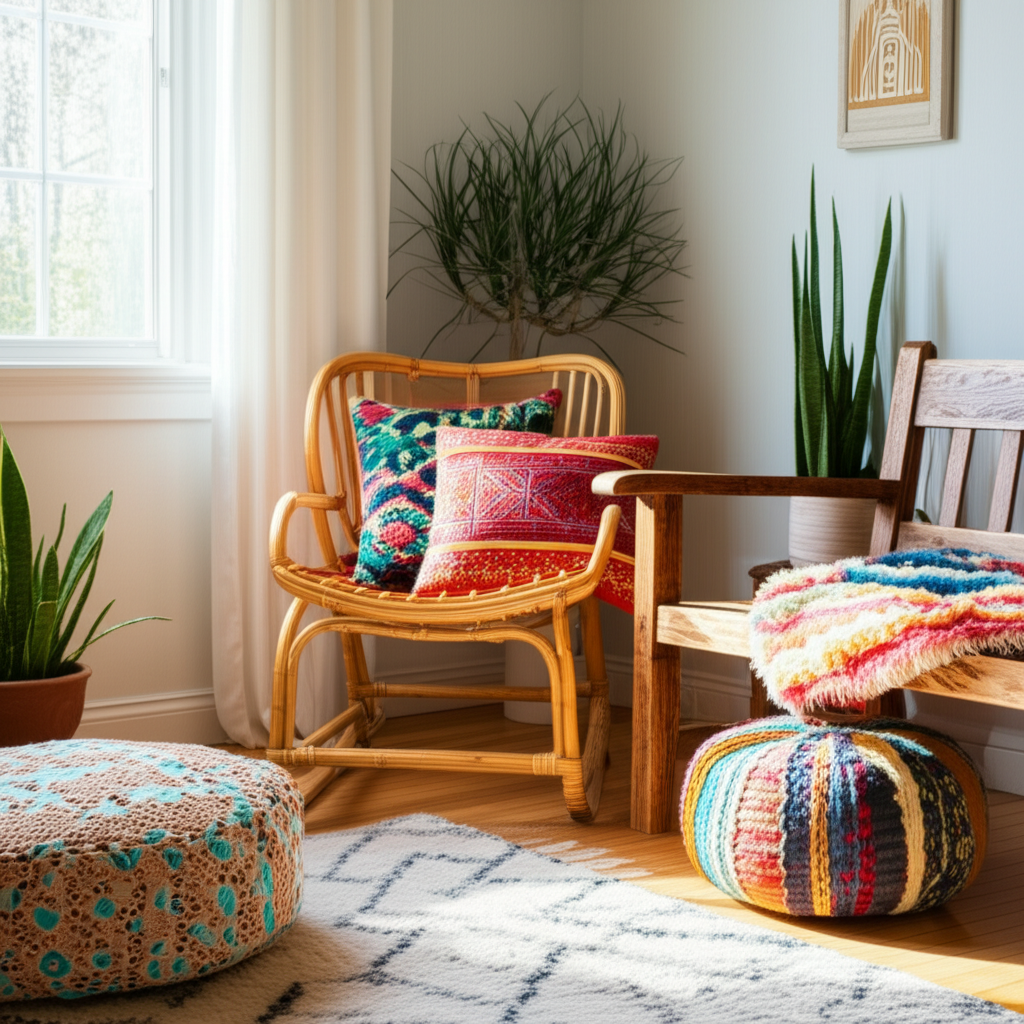
In a world increasingly aware of its environmental footprint, our homes are becoming sanctuaries of sustainable living. From energy efficiency to mindful consumption, every choice we make contributes to a healthier planet. And when it comes to creating a truly inviting and responsible living space, few elements are as central as seating. Gone are the days when eco-friendly meant sacrificing style or comfort; today, planning eco-friendly seating inspiration offers a delightful journey into innovative materials, timeless designs, and ethical production.
This in-depth guide will take you through the exciting world of sustainable seating, helping you transform your living areas into beautiful, comfortable havens that align with your values. Get ready to discover how to blend impeccable style with a lighter environmental touch, proving that you can sit pretty while doing good.
Embracing the Green Comfort Revolution: What Defines Eco-Friendly Seating?
Before diving into specific ideas, it’s essential to understand the core principles that elevate a piece of furniture from ordinary to truly eco-conscious. When we talk about eco-friendly seating, we’re referring to furniture designed, manufactured, and disposed of in ways that minimize negative environmental and social impacts.
Key Pillars of Sustainable Seating:
- Resource Efficiency: Utilizing renewable, rapidly regenerating resources or recycled/upcycled materials.
- Low Environmental Impact: Minimizing pollution, waste, and energy consumption during production and transport.
- Durability & Longevity: Creating pieces built to last, reducing the need for frequent replacement and thus less waste.
- Non-Toxic Materials: Avoiding harmful chemicals, VOCs (volatile organic compounds), and heavy metals that can off-gas into your home and harm ecosystems.
- Ethical Sourcing & Production: Ensuring fair labor practices, safe working conditions, and transparent supply chains.
- Circular Economy Principles: Designing for disassembly, repair, and eventual recycling or composting.
By keeping these principles in mind, you’re not just buying a chair or a sofa; you’re investing in a story of responsibility and foresight.
The Foundation: Sustainable Materials for Your Seating Masterpiece
The heart of any eco-friendly seating piece lies in its materials. Thankfully, the options have expanded dramatically, offering a rich tapestry of textures, strengths, and environmental benefits.
Natural & Renewable Resources: Growing Your Comfort
Opting for materials that come from nature and can be replenished quickly is a cornerstone of sustainable design.
- FSC-Certified Wood: Wood remains a classic, durable choice. However, not all wood is created equal. Look for the Forest Stewardship Council (FSC) certification, which guarantees the wood comes from responsibly managed forests.
- Examples: Oak, maple, ash, and walnut are timeless and robust. For faster-growing alternatives, consider bamboo (incredibly strong, rapidly renewable) or eucalyptus.
- Tip: Reclaimed wood, salvaged from old buildings or furniture, is an even better option, giving new life to existing resources and boasting unique character.
- Rattan & Wicker: These natural fibers are fast-growing, lightweight, and offer a beautiful, airy aesthetic perfect for both indoor and covered outdoor spaces. They bring a touch of bohemian elegance and are surprisingly durable.
- Jute & Hemp: Known for their strength and natural beauty, these plant fibers require minimal water and no pesticides to grow. They are biodegradable and often used for durable upholstery, rugs, and even structural elements in some designs.
- Cork: Harvested from the bark of cork oak trees without harming the tree, cork is incredibly renewable, soft, naturally antimicrobial, and offers excellent acoustic properties. It’s a fantastic material for stools, accent chairs, or even seat bases.
Recycled & Upcycled Materials: Giving Waste a New Purpose
The circular economy champions the idea of keeping materials in use for as long as possible. Recycled and upcycled materials are at the forefront of this movement, transforming waste into beautiful, functional furniture.
- Recycled Plastic (RPET): Innovations in recycling have led to stunning furniture made from post-consumer plastics, including ocean plastic. These pieces are often incredibly durable, weather-resistant, and ideal for outdoor seating. Imagine a stylish Adirondack chair made from recycled milk jugs!
- Recycled Metal: Steel and aluminum can be recycled repeatedly without significant loss of quality. Furniture made from recycled metal offers an industrial-chic aesthetic and exceptional longevity. Look for pieces with high recycled content.
- Upcycled Textiles: For upholstery, cushions, and throws, upcycled fabrics are a fantastic choice. This can include anything from old denim transformed into new yarn to fabric scraps sewn into unique patchwork designs. Brands are increasingly creating beautiful textiles from discarded clothing or industrial waste.
Sustainable Upholstery & Fillings: The Hidden Heroes of Comfort
It’s not just the frame; what’s inside and covering your seat matters just as much.
- Organic Fabrics: Choose upholstery made from GOTS-certified (Global Organic Textile Standard) organic cotton, linen, or hemp. These are grown without harmful pesticides and processed with fewer toxic chemicals.
- Wool: Naturally durable, stain-resistant, breathable, and even fire-retardant, wool is an excellent sustainable choice for upholstery. It’s also renewable and biodegradable.
- Natural Latex: Sourced from rubber trees, natural latex offers superior comfort and support as a foam alternative. It’s breathable, hypoallergenic, and far more eco-friendly than petroleum-based polyurethane foams.
- Kapok & GOTS-Certified Cotton Fill: For softer cushions and pillows, kapok (a silky fiber from the kapok tree) and organic cotton fill are biodegradable and chemical-free alternatives to synthetic polyfill.
Design Beyond Materials: Crafting Your Eco-Conscious Comfort Zone
Sustainability isn’t solely about what your furniture is made from, but also how it’s designed, used, and integrated into your life.
Durability & Timeless Design: The Anti-Fast-Furniture Approach
One of the most impactful eco-friendly choices you can make is to invest in quality pieces built to last. Fast furniture, designed to be cheap and quickly replaced, contributes massively to landfill waste.
- Invest in Quality: A well-constructed sofa or chair made with solid joinery and durable materials will withstand years of use, reducing your consumption over time. Think of it as an heirloom in the making.
- Embrace Timelessness: Opt for classic designs and neutral palettes that won’t quickly go out of style. You can always refresh the look with eco-friendly cushions, throws, or accent pieces.
Multi-Functional Furniture: Maximizing Space, Minimizing Waste
Smart design can significantly reduce the number of pieces you need, thereby lowering your overall environmental impact.
- Storage Ottomans: A stylish footrest that doubles as hidden storage for blankets or books.
- Sofa Beds & Daybeds: Perfect for smaller spaces or guest rooms, offering seating by day and a comfortable sleep solution by night.
- Modular Seating: Adaptable configurations mean you can rearrange or add sections as your needs change, rather than buying entirely new furniture.
Embrace the Pre-Loved: Second-Hand & Vintage Finds
The ultimate form of recycling is giving a new lease on life to existing furniture. Second-hand and vintage pieces bring character, history, and a unique aesthetic that new items often lack.
- Where to Hunt: Explore local thrift stores, consignment shops, antique markets, estate sales, and online marketplaces (like Facebook Marketplace or Craigslist).
- Upcycling Projects: Found a sturdy vintage armchair with a tired fabric? Reupholster it with an organic linen or recycled textile. A solid wooden bench looking drab? Give it a fresh coat of low-VOC paint or natural stain. This is a fantastic way to personalize and extend the life of a piece.
DIY & Custom Creations: Unleashing Your Inner Artisan
For those with a creative spark, building or customizing your own seating is incredibly rewarding and often highly sustainable.
- Pallet Furniture: Wooden pallets can be transformed into robust and stylish sofa bases, coffee tables, or outdoor benches. Sand them thoroughly, treat them with eco-friendly sealants, and add comfortable, organic cushions for a rustic-modern look.
- Crate Seating: Stacked wooden crates can form interesting modular seating units, especially in a bohemian or industrial setting.
- Beanbags with a Twist: Create custom beanbag covers from upcycled fabrics and fill them with natural latex shreds, buckwheat hulls, or even recycled PET fiberfill for a truly green lounging experience.
Local Sourcing & Ethical Production: Supporting Your Community and Beyond
Beyond the materials, consider the journey your furniture takes to reach your home.
- Support Local Artisans: Purchasing from local craftsmen reduces transportation emissions and supports your community’s economy. You can also have more transparency about their materials and practices.
- Research Brands: If buying new, delve into a company’s ethos. Do they have clear sustainability reports? Are their factories audited for fair labor? Transparency is key.
Practical Steps to Plan Your Eco-Seating Journey
Ready to start planning your sustainable seating? Here’s a step-by-step guide:
- Assess Your Needs & Space:
- What type of seating do you need (sofa, armchair, dining chairs, outdoor lounge)?
- How much space do you have? Measure carefully to avoid over-purchasing.
- What’s your aesthetic preference? Modern, rustic, classic, minimalist?
- Prioritize Your "Eco" Values:
- Is it most important for you to buy recycled, natural, local, or second-hand? Knowing your priorities will help narrow down choices.
- Set a realistic budget. Sustainable options exist at various price points.
- Research Materials & Certifications:
- Familiarize yourself with certifications like FSC (wood), GOTS (textiles), OEKO-TEX (textiles, tested for harmful substances), and GREENGUARD (low chemical emissions).
- Don’t be afraid to ask retailers about their material sourcing and production processes.
- Consider the Full Lifecycle:
- Is the piece repairable if something breaks? Can its components be recycled or composted at the very end of its long life?
- What kind of maintenance does it require? Choose pieces that are easy to care for without harsh chemicals.
- Start Small, If Needed:
- If a full sofa feels like too big a commitment, begin with an eco-friendly accent chair, a set of sustainable dining chairs, or even just organic cotton cushions and throws to green up your existing seating.
Integrating Eco-Seating into Your Sustainable Lifestyle
Once you’ve brought your eco-friendly seating into your home, maintaining its beauty and longevity is part of the sustainable journey. Follow care instructions for natural materials, use natural cleaning products, and consider reupholstering or repairing minor damages rather than replacing the entire piece. Regularly rotating cushions and protecting fabrics from direct sunlight can also extend their life significantly.
Sit Sustainably, Live Beautifully
Planning eco-friendly seating inspiration is more than just a trend; it’s a mindful approach to home decor that benefits both you and the planet. By choosing sustainable materials, embracing durable designs, and valuing the story behind each piece, you create spaces that are not only aesthetically pleasing and incredibly comfortable but also deeply responsible.
So, take a deep breath, envision your ideal sustainable sanctuary, and embark on this inspiring journey. Your home, your well-being, and the earth will thank you for making choices that truly matter.