
 By Nana Wu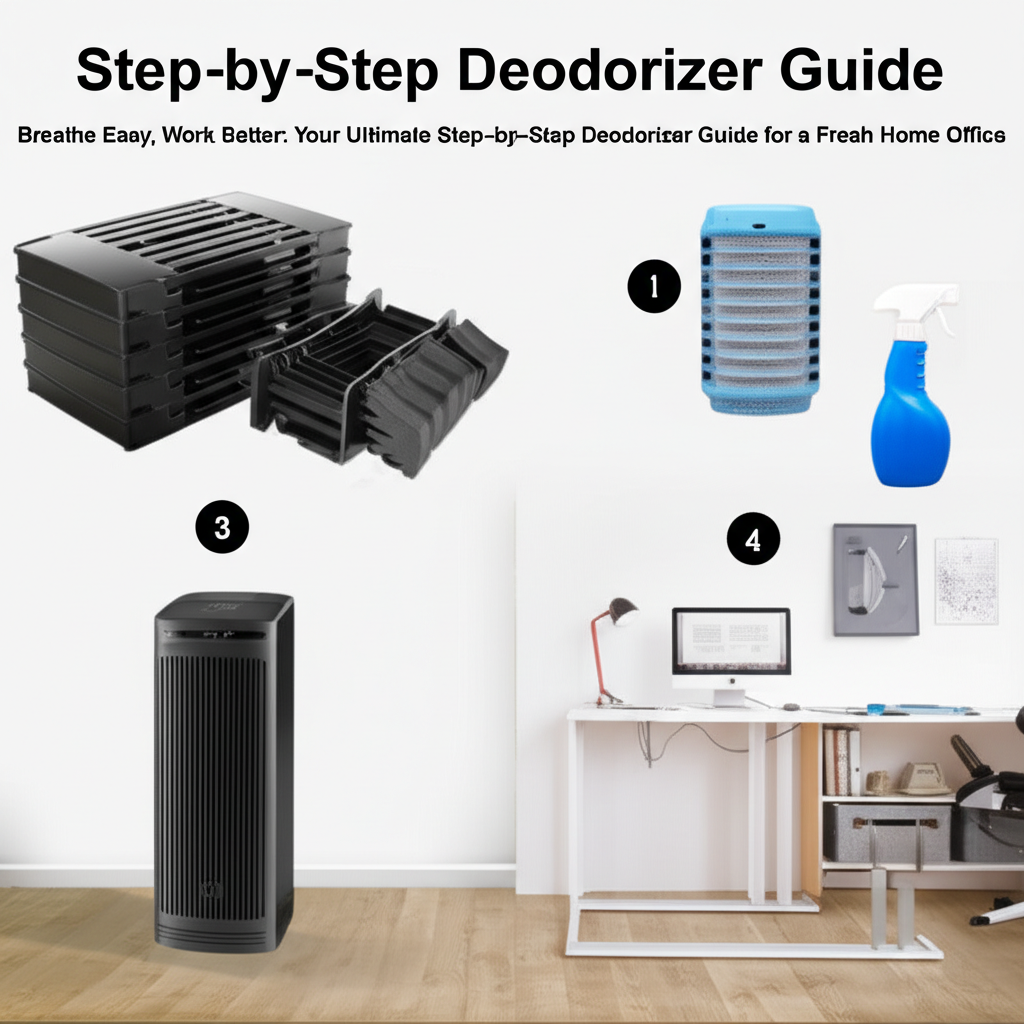
Your home office isn’t just a place to work; it’s a sanctuary for productivity, creativity, and focus. But imagine stepping into your workspace only to be greeted by a stale, musty, or simply unpleasant odor. Not only can this be a major distraction, but it can also impact your mood, concentration, and even your perception of professionalism. A fresh, clean-smelling environment is crucial for a productive mindset and overall well-being.
If you’ve noticed your home office developing an unwelcome aroma, don’t despair! You’re not alone, and the good news is that most office odors are entirely treatable and preventable. This in-depth guide will walk you through a comprehensive, step-by-step process to identify, eliminate, and prevent unwanted smells, ensuring your home office remains a pleasant and invigorating space. Get ready to transform your workspace into an oasis of fresh air and renewed focus!
Understanding the Enemy: Common Home Office Odors
Before we unleash our deodorizing arsenal, it’s helpful to understand where those pesky smells might be coming from. Identifying the source is half the battle won, allowing for more targeted and effective treatment.
The Usual Suspects: What’s Making Your Office Stink?
- Food & Drink Remnants: The most common culprit! Spilled coffee, forgotten lunch containers, crumbs under your keyboard, or even old snack wrappers can quickly turn your desk into a breeding ground for unpleasant odors.
- Pet Odors: If your furry co-workers frequently visit your office, pet dander, oils, and "accidents" can embed themselves in carpets, upholstery, and even air filters.
- Dust & Dirt Accumulation: Dust isn’t just unsightly; it can carry microscopic particles that contribute to a stale smell, especially when mixed with humidity or trapped in vents.
- Dampness & Humidity: A classic source of musty, mildewy smells. Leaks, poor ventilation, or high humidity can encourage mold and mildew growth in hidden corners, behind furniture, or within walls.
- HVAC & Ventilation Issues: Clogged or dirty air filters in your heating, ventilation, and air conditioning system can circulate stale air and odors throughout your office. Dirty vents themselves can also harbor dust and smells.
- Old Electronics & Cables: Believe it or not, overheating electronics or old, dusty cables can sometimes emit a subtle, plastic-like smell over time.
- New Furniture or Paint: While initially exciting, "new" smells from furniture (off-gassing VOCs) or fresh paint can be overwhelming and contribute to indoor air pollution.
- Personal Items: Gym bags, dirty laundry, shoes, or even heavily fragranced perfumes/lotions can leave lingering scents.
- Outdoor Pollutants: Smoke from neighbors, traffic fumes, or even strong cooking smells from your own kitchen can seep into your office and get trapped.
Pinpointing the origin will make your deodorizing efforts significantly more successful. Take a moment to sniff around and be brutally honest about potential sources.
The Deodorizing Arsenal: Tools & Techniques
Now that we know what we’re up against, let’s gather our weapons. A combination of cleaning supplies, natural absorbers, and smart tools will give you the best chance at achieving a perpetually fresh home office.
Your First Line of Defense: Cleaning Supplies
You can’t deodorize without cleaning! Essential items include:
- All-purpose cleaner: For wiping down hard surfaces.
- Microfiber cloths: Excellent for trapping dust and grime without scratching.
- Vacuum cleaner with attachments: Crucial for carpets, rugs, and tight spaces.
- Carpet/upholstery cleaner: For spot treatments and deeper cleaning.
- Specialized electronics cleaner: Non-abrasive, safe for screens and sensitive equipment.
- Rubbing alcohol or distilled white vinegar: Great for disinfecting and cutting through grease.
- Trash bags: For decluttering and waste removal.
Natural Odor Absorbers: Eco-Friendly Solutions
These natural wonders don’t just mask odors; they absorb them.
- Baking Soda: A powerhouse! It neutralizes acidic and basic odors. Sprinkle it on carpets, upholstery, or leave open boxes/bowls in problem areas.
- Activated Charcoal: Incredibly porous, activated charcoal excels at trapping odor molecules. Available in bags or canisters, it’s excellent for continuous odor absorption.
- White Vinegar: Its acetic acid neutralizes odors. Use it diluted as a cleaning spray, or leave a bowl out to absorb strong smells overnight (the vinegar smell dissipates quickly).
- Coffee Grounds: While not a long-term solution, fresh coffee grounds can quickly absorb very strong odors, like those from smoke or cooking, for a temporary fix.
- Citrus Peels: Lemon, orange, or grapefruit peels can add a pleasant, temporary scent and help absorb mild odors.
Mechanical & Electronic Aids
Sometimes, a little tech help goes a long way.
- Air Purifiers: Look for models with both a HEPA filter (for particles) and an activated carbon filter (for odors and VOCs). This is a fantastic investment for ongoing air quality.
- Dehumidifiers: If dampness is your enemy, a dehumidifier will reduce moisture, preventing mold and musty smells.
- Fans: Simple fans improve air circulation, helping to dissipate stale air and bring in fresh air.
- Ozone Generators (Use with Extreme Caution!): These are not for regular use in occupied spaces. They produce ozone, which can eliminate very stubborn odors (like smoke damage) but are harmful to breathe. Only use in an unoccupied room, following all safety instructions, and air out thoroughly afterwards. For most home offices, an air purifier is a safer and more effective choice.
The Step-by-Step Deodorizer Guide for Your Home Office
Now, let’s roll up our sleeves and get to work! Follow these steps for a truly fresh home office.
Step 1: Declutter and Deep Clean (The Foundation)
This is the most critical first step. You can’t effectively deodorize if the source of the smell is still present.
- Remove Everything: Take everything off your desk, shelves, and any other surfaces. This includes papers, books, decorative items, and electronics.
- Empty the Trash: Don’t just empty it; wipe down the inside of your trash can with an all-purpose cleaner or a vinegar solution.
- Dust from Top to Bottom: Start with ceiling corners, light fixtures, and wall art. Then move to shelves, monitors, and finally your desk. Use a microfiber cloth for effective dust capture. For hard-to-reach areas like behind monitors or inside computer vents, use compressed air.
- Wipe Down All Surfaces: Use your all-purpose cleaner (or a diluted vinegar solution) to wipe down your desk, shelves, window sills, and any other hard surfaces. Don’t forget chair arms and legs! For electronics, use a specialized cleaner and a soft cloth; never spray liquid directly onto screens or keyboards.
- Clean Your Keyboard and Mouse: These harbor an incredible amount of dirt and crumbs. Turn your keyboard upside down and shake it, then use compressed air between keys. Wipe both down with an electronics-safe wipe or a slightly dampened cloth (ensure it’s not dripping wet).
- Vacuum Thoroughly: Vacuum all carpets, rugs, and under furniture. Use attachments to get into corners, along baseboards, and under your desk. If you have hard floors, sweep and then mop with a suitable floor cleaner.
- Clean Windows and Blinds: Wipe down window sills and clean your windows. Dust or wipe down blinds and curtains, as they can trap a lot of dust and odors.
Step 2: Tackle Specific Odor Sources
Once the general cleaning is done, it’s time to address specific problem areas.
- Carpets & Upholstery: If your carpet or upholstered chair smells stale, sprinkle a generous amount of baking soda over it. Let it sit for at least 15-30 minutes, or even overnight for stubborn odors. Then, vacuum it up thoroughly. For specific stains or persistent odors, use an enzymatic carpet/upholstery cleaner according to product directions.
- Walls & Ceilings: If you suspect smoke or strong lingering odors have permeated your walls, a mild wash might be needed. For washable paint, dilute white vinegar or a mild cleaner in water and gently wipe down walls with a soft sponge, rinsing frequently. Test a small, inconspicuous area first.
- Electronics (Interior): For computer towers or other electronics with vents, use compressed air to blow out accumulated dust. This improves airflow and reduces potential "hot dust" smells. Never spray liquids inside electronics.
- Ventilation Systems: If you have an HVAC vent in your office, clean the grille and, more importantly, change your HVAC filter if it’s dirty. A clean filter improves air quality and prevents stale air circulation.
- Pet Areas: If your pet spends time in your office, use an enzymatic pet odor eliminator on any affected areas (carpets, furniture). These cleaners break down odor-causing molecules, rather than just masking them.
- Mold/Mildew: If you detect a strong musty smell, inspect for visible mold. If found on hard surfaces, clean with a solution of bleach and water (1 part bleach to 10 parts water) or undiluted white vinegar. For extensive mold or mold within walls, consult a professional, as it can be a health hazard. Address any moisture sources immediately.
Step 3: Absorb & Neutralize Lingering Scents
Even after a deep clean, some subtle odors might remain. This is where your natural absorbers shine.
- Activated Charcoal Placement: Place small bags or containers of activated charcoal in strategic locations: under your desk, in a corner, inside a cabinet, or near any lingering odor sources. These work continuously and are very effective.
- Baking Soda Bowls: Set out small, open bowls of baking soda in inconspicuous spots. Change the baking soda every few weeks.
- Vinegar Air Freshener: For a quick refresh, mix equal parts white vinegar and water in a spray bottle. Lightly mist the air (avoiding electronics) and soft furnishings. The vinegar smell dissipates as it dries, taking other odors with it.
- Coffee Grounds (Temporary): If you have a particularly strong, immediate odor you want to tackle, a bowl of fresh coffee grounds can absorb it quickly. Remember to discard them after a day or two.
Step 4: Air Purification & Ventilation
Finally, let’s ensure your air is constantly refreshed.
- Open Windows Regularly: The simplest and most effective method. Even for 10-15 minutes a day, opening a window (or two, for cross-ventilation) can dramatically improve air quality.
- Run Your Air Purifier: If you have an air purifier, run it consistently. Ensure its filters are clean and changed according to the manufacturer’s recommendations.
- Use Fans: A small desk fan or ceiling fan can help circulate air, preventing staleness and aiding in the dispersal of any remaining odors.
Maintaining a Fresh Office: Prevention is Key
Deodorizing is a significant effort, but prevention is far easier than remediation. Integrate these habits into your routine to keep your home office perpetually fresh.
Daily Habits for a Pristine Workspace
- Regular Decluttering: At the end of each workday, take 5 minutes to tidy your desk. Put away papers, dispose of trash, and wipe down your immediate workspace.
- Wipe Down Surfaces: A quick wipe-down of your desk and frequently touched areas with an anti-bacterial wipe or mild cleaner a few times a week can prevent odor build-up.
- Empty Trash Frequently: Don’t let food scraps or wet items fester in your trash can. Empty it daily or every other day.
- Avoid Strong-Smelling Foods: Whenever possible, avoid eating pungent foods (like fish, strong cheeses, or heavily spiced meals) directly at your desk. If you must, ensure excellent ventilation and clean up immediately afterward.
- Clean Up Spills Immediately: Don’t let that coffee spill dry into a stain. Blot it up instantly and clean the area thoroughly.
Strategic Placement of Odor Fighters
- Continuous Absorption: Keep small bowls of baking soda or activated charcoal bags in drawers, cabinets, or inconspicuous corners.
- Filter Maintenance: Regularly check and change filters for your HVAC system and air purifier. This is crucial for maintaining good air quality.
The Power of Fresh Air & Greenery
- Daily Ventilation: Make opening your windows a daily ritual, even for a short period, to flush out stale air.
- Introduce Air-Purifying Plants: Certain houseplants, like snake plants, peace lilies, spider plants, or ZZ plants, are known for their ability to filter indoor air and add a touch of natural beauty.
Addressing Humidity and Moisture
- Monitor Humidity: If you live in a humid climate or notice dampness, consider using a hygrometer to monitor your office’s humidity levels. Aim for 30-50%.
- Use a Dehumidifier: If humidity is consistently high, a dehumidifier will prevent mold and mildew growth, eliminating their associated musty smells.
- Fix Leaks Promptly: Any leaks from windows, roofs, or plumbing should be addressed immediately to prevent water damage and subsequent mold growth.
Conclusion
A fresh, inviting home office isn’t just a luxury; it’s a vital component of a productive and healthy work life. By systematically identifying odor sources, deploying the right cleaning and deodorizing tools, and committing to consistent preventive measures, you can transform your workspace into an environment that inspires focus and creativity.
Remember, the journey to a fresh home office begins with a thorough deep clean, followed by targeted odor absorption, and cemented by smart daily habits. Take these steps, breathe in the difference, and enjoy a workspace that truly supports your best work. Say goodbye to stale air and hello to an invigorating, odor-free sanctuary!