
 By rifan muazin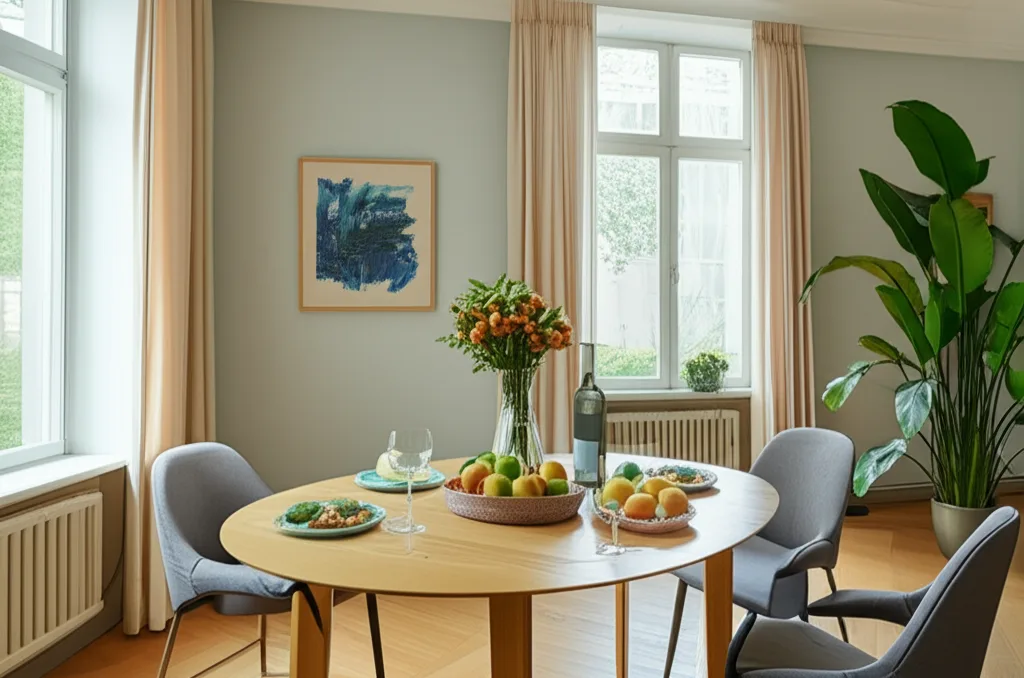
The dining room, often the heart of our homes, is where memories are made, stories are shared, and delicious meals are savored. Yet, for many, this central gathering space can quickly become a catch-all for clutter – forgotten mail, misplaced keys, or decorative items that no longer spark joy. Imagine instead a dining room that breathes serenity, functions flawlessly, and aligns with your values of sustainability.
Eco-friendly decluttering isn’t just about tidiness; it’s a conscious choice to reduce waste, embrace mindful consumption, and create a healthier environment within your home. By thoughtfully curating your dining space with sustainability in mind, you can transform it into a haven that’s both aesthetically pleasing and environmentally responsible. This in-depth guide will walk you through the process, offering practical steps and inspiring ideas to create an eco-chic dining room you’ll love.
Why Eco-Friendly Decluttering Matters: Beyond Just Tidiness
Before we dive into the "how," let’s explore the "why." Embracing an eco-conscious approach to decluttering extends far beyond simply making your dining room look good. It’s a powerful statement about your commitment to a more sustainable lifestyle.
Reduced Waste & Environmental Impact: Every item we own has a lifecycle, from production to disposal. By decluttering thoughtfully, we divert usable items from landfills through donation or selling, and we encourage the recycling of materials that can be given new life. This reduces the demand for new resources and minimizes pollution associated with manufacturing and waste management.
Support for Ethical Consumption: When you declutter and then mindfully choose replacements or additions, you’re more likely to seek out products made from sustainable materials, produced ethically, and designed to last. This supports businesses committed to environmental and social responsibility.
A Healthier Home Environment: Fewer unused items mean less dust accumulation and fewer hiding spots for allergens. Opting for natural materials and eco-friendly cleaning products during your decluttering process also reduces your exposure to harsh chemicals, contributing to better indoor air quality.
Mindfulness and Connection: A clutter-free space encourages a sense of calm and presence. When you only surround yourself with items you truly love and use, you foster a deeper appreciation for your possessions and the stories they hold, rather than being overwhelmed by excess.
Preparing for Your Eco-Conscious Declutter
An effective decluttering journey begins with preparation – both mentally and practically. Approach this process with intention and a clear vision.
Cultivating a Mindset Shift: Quality Over Quantity
Before you even touch an item, take a moment to reflect on your ideal dining room. What feeling do you want it to evoke? What functions should it serve? This vision will be your guiding star. Embrace the philosophy of "less is more" and "purpose over impulse." Every item should earn its place.
Gather Your Eco-Friendly Tools
Prepare your arsenal of sustainable decluttering tools:
- Reusable bags or bins: For items to keep, donate, sell, or recycle.
- Eco-friendly cleaning supplies: Vinegar, baking soda, reusable cloths, and plant-based cleaners are perfect for refreshing surfaces as you go.
- Labels or markers: To clearly categorize your piles.
- A good playlist: To keep your energy up!
The "Four Box" Method, Eco-Style
This classic decluttering strategy gets an eco-conscious upgrade. Label your bins clearly:
- Keep: These are items you frequently use, truly love, and that serve a clear purpose in your dining room. Prioritize functionality and beauty.
- Donate/Sell: Items in good condition that you no longer need or want. Consider local charities, consignment shops, or online marketplaces. Someone else’s trash can truly be another’s treasure.
- Repurpose/Upcycle: Items that have potential for a new life. Could that old serving tray become a decorative wall hanging? Can those mismatched glasses be transformed into unique candle holders? This is where creativity meets sustainability.
- Recycle: Items that cannot be donated or repurposed but are accepted by your local recycling program (e.g., certain plastics, glass, paper, metals). Check local guidelines carefully.
- Trash (Last Resort): Only for items that are truly unusable, broken beyond repair, and cannot be recycled or repurposed. Aim to minimize this pile as much as possible.
Decluttering Zone by Zone: A Mindful Walkthrough
Now, let’s tackle your dining room section by section, ensuring every decision is made with intention and sustainability in mind.
The Dining Table: The Heart of the Room
This is where the magic happens, so let’s clear its surface and surrounding area completely.
- Clear Everything Off: Remove all items from the tabletop. Don’t leave anything.
- Tablecloths, Runners, Placemats: Go through your collection. Keep only those made from sustainable materials (like organic cotton, linen, hemp, or jute) that you genuinely use and love. Donate or repurpose any synthetic, stained, or unused ones.
- Centerpieces and Decor: Be ruthless. Do you need multiple vases? Are those decorative bowls actually used, or do they just collect dust? Opt for natural elements like fresh flowers (locally sourced, seasonal where possible), beeswax candles, or a single, meaningful piece of pottery.
Dining Chairs: Comfort and Conscience
Often overlooked, chairs can harbor clutter and wear.
- Assess Condition: Check each chair for structural integrity. Can any be repaired rather than replaced?
- Cushions and Upholstery: If chairs have cushions, check their condition. For upholstery, consider eco-friendly options if replacement is needed – recycled fabrics, organic cotton, or linen. If not replacing, give them a good, eco-friendly clean.
- Chair Covers: For a quick refresh without buying new chairs, consider covers made from natural, washable fabrics.
Storage Furniture: Sideboards, Buffets, and China Cabinets
These pieces are often the biggest culprits for hidden clutter.
- Dishware and Glassware: Take everything out. Keep only full sets you regularly use or cherished heirloom pieces. Be realistic about how many serving platters or specialty glasses you actually need. Donate duplicates, chipped items, or those that haven’t seen the light of day in years.
- Flatware: Do you have multiple sets? Keep one primary set and perhaps a smaller set for special occasions. Donate the rest.
- Linens: Declutter old, stained napkins or placemats. Keep a functional collection of high-quality, sustainable linens.
- Decor and Miscellaneous Items: These cabinets can become a dumping ground. Consolidate items, return anything that doesn’t belong, and display only a few curated, meaningful pieces.
Walls and Windows: Light and Life
These areas influence the room’s overall feel and light.
- Art and Wall Decor: Keep pieces that truly resonate with you. Consider framing meaningful photographs or sustainable art prints on recycled paper.
- Curtains and Blinds: Check for dust and cleanliness. If you’re looking to upgrade, choose sustainable materials like bamboo blinds, organic cotton, or linen curtains that allow natural light to filter through beautifully.
Eco-Friendly Styling: Bringing Your Vision to Life
Once decluttered, it’s time to infuse your dining room with intentional, sustainable style.
Material Matters: Choose Wisely
Every new item brought into your home should be chosen with care.
- Wood: Opt for FSC-certified wood, reclaimed wood furniture, or beautiful vintage pieces that tell a story. Avoid new furniture made from virgin tropical hardwoods.
- Textiles: Prioritize organic cotton, linen, hemp, jute, or recycled fabrics for tablecloths, napkins, and chair cushions.
- Glass and Ceramics: Seek out artisan-made pieces, second-hand finds, or items made from recycled glass.
- Metals: Vintage metal pieces or those made from recycled metals are excellent choices.
The Power of Greenery: Bringing Nature Indoors
Houseplants not only add beauty but also improve air quality. Choose low-maintenance varieties that thrive indoors. For centerpieces, opt for local, seasonal flowers or simple branches from your yard, cutting down on the carbon footprint associated with imported blooms.
Lighting the Way Sustainably
Maximize natural light by keeping window treatments minimal or sheer. For artificial lighting, switch to energy-efficient LED bulbs. Consider vintage light fixtures, which offer unique character and prevent waste.
Curated Decor: Less is More
Instead of filling every surface, focus on a few meaningful pieces.
- DIY Projects: Repurpose old jars into vases or candle holders. Transform an antique bowl into a fruit display.
- Support Local and Artisanal: Seek out unique pieces from local artisans or small businesses that prioritize sustainable practices.
- Thrift Store Treasures: Second-hand shops are goldmines for unique, sustainable decor that adds character without consuming new resources.
Maintaining Your Eco-Chic Dining Room
Creating a sustainable dining room is an ongoing journey, not a one-time event. Integrate these habits to keep your space beautiful and eco-friendly.
Regular Mini-Declutters
Make it a habit to do a quick "5-minute tidy" daily. Implement a "one-in, one-out" policy for new purchases – if something comes in, something similar must leave. This prevents clutter from accumulating again.
Eco-Friendly Cleaning Practices
Stick to natural cleaning products like vinegar, baking soda, and essential oils. Use reusable microfiber cloths instead of disposable wipes or paper towels. This reduces waste and minimizes exposure to harsh chemicals.
Conscious Consumption Habits
Before buying anything new for your dining room, ask yourself: Do I truly need this? Can I borrow, rent, or find a second-hand version? Can I repair what I already have? This mindful approach to purchasing is at the heart of sustainable living.
Conclusion
Transforming your dining room into an eco-friendly haven is a deeply rewarding process. By embracing intentional decluttering and making conscious styling choices, you create a space that not only looks beautiful but also reflects your commitment to a healthier planet. From selecting sustainable materials to celebrating the beauty of fewer, more meaningful items, every step contributes to a home that is both functional and aligned with your values.
Start small, celebrate each decluttered drawer, and revel in the renewed sense of calm your dining room offers. Your journey toward an eco-chic dining space is an inspiring one, proving that sustainability and stunning design can, and should, go hand in hand. Enjoy your beautiful, mindful dining experience!
