
 By Nana Wu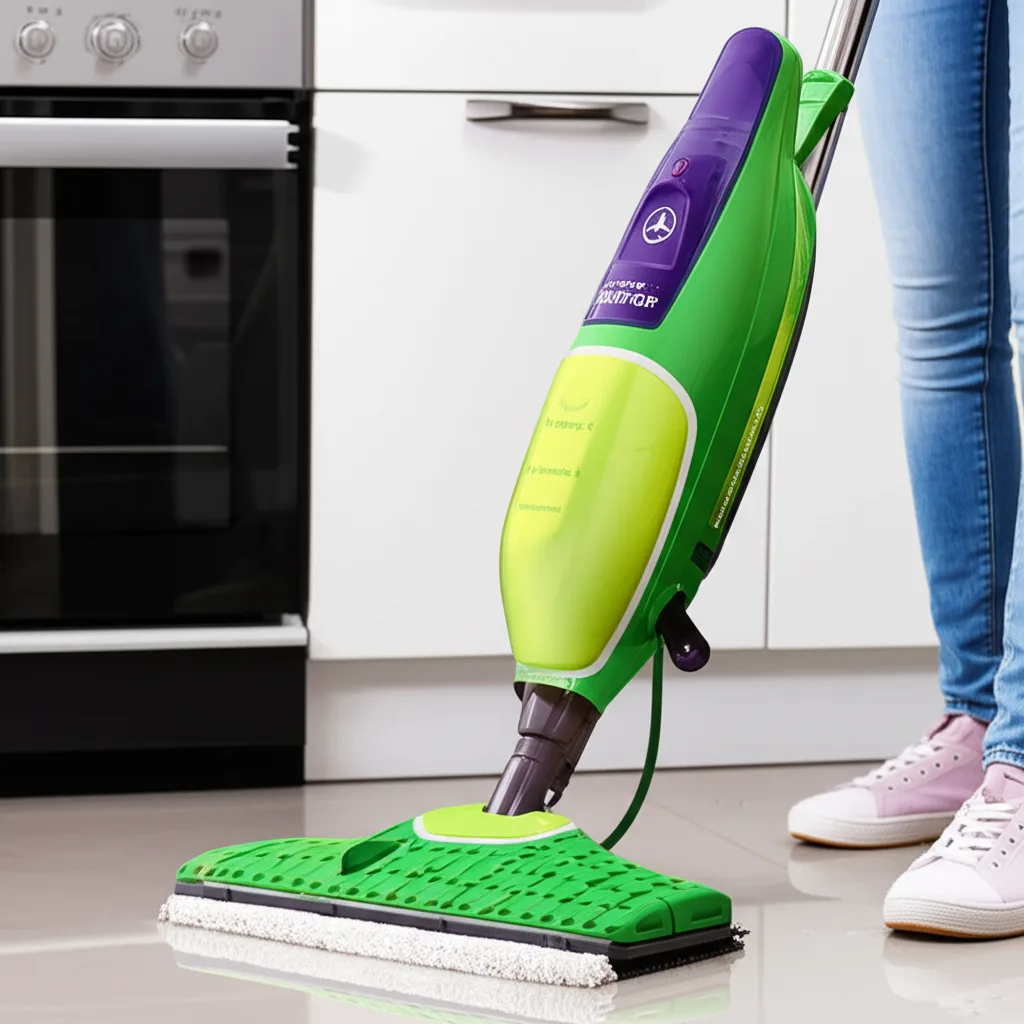
The kitchen, the heart of every home, is also undeniably its busiest and often messiest zone. From daily food prep to accidental spills, grease splatters, and foot traffic, kitchen floors take a beating. While traditional mopping can offer a surface-level clean, achieving true hygiene and sparkle often feels like an uphill battle. Enter the steam mop – a revolutionary tool that promises not just clean, but sanitized floors with minimal effort and no harsh chemicals.
If you’re ready to elevate your kitchen’s cleanliness and embrace a healthier home environment, you’ve come to the right place. This in-depth guide will walk you through everything you need to know about using a steam mop in your kitchen, from preparation to advanced techniques, highlighting the numerous pros that make it an indispensable cleaning ally. Get ready to discover the secret to a genuinely pristine kitchen floor!
Why Your Kitchen Needs a Steam Mop: The Unbeatable Pros
Before we dive into the how-to, let’s explore why a steam mop isn’t just a nice-to-have, but a game-changer for your kitchen cleaning routine.
Hygienic Deep Clean: Beyond Surface Shine
Unlike traditional mopping, which often just pushes dirt around and relies on chemical disinfectants, a steam mop uses high-temperature steam to penetrate surfaces. This powerful heat effectively kills up to 99.9% of bacteria, viruses, and germs, including common kitchen culprits like E. coli and Salmonella. This means your kitchen floor isn’t just looking clean; it’s genuinely sanitized, creating a safer environment for your family and pets.
Tackling Stubborn Grease and Grime
Kitchens are notorious for grease buildup and sticky, dried-on food spills. The intense heat from a steam mop works wonders on these challenging messes. It melts away hardened grease, loosens sticky residues, and dissolves caked-on food particles, making them incredibly easy to wipe away. Say goodbye to endless scrubbing and hello to effortlessly clean surfaces.
Chemical-Free Cleaning: A Breath of Fresh Air
One of the most significant advantages of steam mopping is its reliance solely on water. This means no more harsh chemicals, strong fumes, or sticky residues left behind on your floors. It’s an eco-friendly choice that’s safe for children, pets, and anyone with allergies or sensitivities to cleaning agents. Enjoy a truly clean kitchen without compromising indoor air quality.
Versatility Across Surfaces
Modern steam mops are incredibly versatile. They are ideal for most sealed hard kitchen floors, including ceramic tile, porcelain, vinyl, linoleum, and even sealed hardwood (with proper precautions, which we’ll cover later). Many models come with specialized attachments, making it easy to tackle grout lines, corners, and even reach under cabinets.
Efficiency and Time-Saving
Steam mopping often leads to faster drying times compared to traditional wet mopping, reducing the risk of slips and allowing you to get back to using your kitchen sooner. The combined power of cleaning and sanitizing in one step also saves you significant time and effort, streamlining your entire cleaning process.
Getting Started: Prepping Your Kitchen for Steam Mopping
Effective steam mopping begins with proper preparation. Skipping these crucial steps can hinder your results and even damage your mop.
Declutter and Clear the Decks
Before you even think about plugging in your steam mop, ensure your kitchen floor is completely clear. Move chairs, rugs, pet bowls, waste bins, and any other items that might obstruct your path. This allows for uninterrupted cleaning and ensures every inch of your floor gets attention.
Sweep or Vacuum Thoroughly
This is a non-negotiable step. A steam mop is designed to sanitize and remove grime, not pick up loose debris. If you steam mop over crumbs, pet hair, or dirt, you’ll end up pushing them around, creating streaks and a muddy mess. Use a broom, dustpan, or a powerful vacuum cleaner to remove all loose particles from your kitchen floor. Pay extra attention to corners and under cabinets.
Spot Treat Sticky Spills (Optional, but Recommended)
For particularly thick or caked-on food spills, like dried-up jam or heavy grease spots, a quick pre-scrape with a plastic spatula or a damp cloth can be beneficial. While your steam mop can handle these, pre-treating helps prevent excessive buildup on your mop pad and ensures a more efficient overall clean.
Your Step-by-Step Guide to a Sparkling Kitchen Floor
Now that your kitchen is prepped, let’s get down to the actual steam mopping process. Follow these steps for optimal results.
Step 1: Fill ‘er Up – Water Wisdom
Most steam mops require distilled or demineralized water. This is crucial for preventing mineral buildup (limescale) inside your mop’s heating elements, which can reduce its efficiency and shorten its lifespan. Check your mop’s manual for specific recommendations. Fill the water reservoir to the indicated max fill line – never overfill. Avoid adding any cleaning solutions or chemicals to the water tank unless explicitly stated by the manufacturer, as this can damage your appliance.
Step 2: Attach the Right Pad
Ensure you attach a clean, dry microfiber mop pad securely to the mop head. Microfiber is excellent for trapping dirt and absorbing moisture. Many steam mops come with different types of pads; choose a general-purpose pad for everyday cleaning. For heavily soiled areas or grout, a scrubbier pad might be more effective if your model includes one.
Step 3: Power On and Preheat
Plug in your steam mop and turn it on. Most models have an indicator light that signals when the water has heated up and the mop is ready to produce steam. This usually takes between 15-30 seconds. Be patient; using the mop before it’s fully preheated won’t be as effective.
Step 4: Mop Methodically
Begin steam mopping from the furthest corner of your kitchen and work your way backward towards the exit. This prevents you from stepping on freshly cleaned areas. Move the mop slowly and steadily across the floor, allowing the steam to do its job. Overlap your strokes slightly to ensure comprehensive coverage. For standard cleaning, a consistent, moderate pace is ideal.
Step 5: Tackle Tough Spots
When you encounter stubborn stains, dried-on spills, or greasy patches, pause the mop over the area for a few extra seconds. Allow the steam to penetrate and loosen the grime. Many steam mops have a "burst of steam" feature or a specific setting for tough spots; utilize these if available. You’ll often see the dirt lift and transfer directly onto the mop pad.
Step 6: Change Pads as Needed
This is a critical step often overlooked. As you clean, your mop pad will accumulate dirt and grime. If you continue using a saturated, dirty pad, you’ll simply be spreading dirt around. Keep several clean pads on hand and change them whenever you notice the current one becoming visibly soiled or less effective. For a typical kitchen, you might use 2-3 pads for a thorough clean.
Advanced Tips for a Deeper Kitchen Clean
Once you’ve mastered the basics, consider these advanced techniques to maximize your steam mop’s potential.
Grout Rejuvenation
Kitchen grout lines are notorious for trapping dirt, grease, and food particles, often turning dark and unsightly. Many steam mops come with small brush attachments specifically designed for grout. Attach the brush, direct a concentrated stream of steam onto the grout line, and scrub gently. You’ll be amazed at how quickly dirt lifts away, restoring your grout’s original color.
Under Cabinets and Appliances
Don’t neglect those hard-to-reach areas. The swivel head of most steam mops allows for easy maneuverability under cabinet toe kicks and around appliance bases. For the deepest clean, consider pulling out your refrigerator or oven (if safe and manageable) every few months to steam clean the floor beneath them, where dust bunnies and spills often accumulate.
Dealing with Different Floor Types
While steam mops are fantastic, it’s essential to understand their compatibility with various kitchen floor materials:
- Tile & Vinyl: These are generally robust and perfectly suited for steam mopping. You can use your mop with confidence.
- Sealed Hardwood: Exercise caution. Ensure your hardwood floors are properly sealed against moisture. Use the lowest steam setting, move the mop quickly and continuously, and avoid lingering in one spot. Excessive heat and moisture can warp or damage unsealed or poorly sealed wood. Always check your flooring manufacturer’s guidelines.
- Laminate: Similar to hardwood, laminate can be susceptible to moisture damage. Use extreme caution, the lowest steam setting, and swift passes. Always check your laminate manufacturer’s recommendations first.
Post-Mopping Care
After your kitchen floor is sparkling clean, allow it to air dry completely. While steam mopping dries faster, a brief period of air drying ensures no moisture is left behind. Immediately remove and wash your dirty mop pads. Most are machine washable; use a gentle detergent and avoid fabric softener, which can reduce their absorbency. Finally, empty any remaining water from your mop’s reservoir and store it appropriately.
Common Steam Mop Mistakes to Avoid
To ensure longevity for your mop and the best results for your floors, steer clear of these common errors:
- Using on Unsealed Floors: Never use a steam mop on unsealed hardwood, laminate, or any other flooring not designed to handle moisture.
- Adding Chemicals to the Water Tank: Unless specifically approved by your mop’s manufacturer, adding cleaning solutions can damage the internal components and void your warranty.
- Not Sweeping/Vacuuming First: This is the quickest way to create muddy streaks and ineffective cleaning.
- Using a Dirty Mop Pad: A dirty pad spreads dirt, not cleans it. Change pads frequently.
- Lingering Too Long on One Spot: While beneficial for tough stains, excessive lingering, especially on sensitive floor types, can lead to moisture damage. Keep the mop moving.
Conclusion
A steam mop is more than just another cleaning gadget; it’s a powerful tool that transforms kitchen hygiene, offering a deep, chemical-free clean that traditional methods simply can’t match. By following these step-by-step tips, from proper preparation to methodical mopping and advanced techniques, you can unlock the full potential of your steam mop.
Embrace the pros: germ-free surfaces, effortless grease removal, and a healthier home environment, all achieved with the simple power of steam. Say goodbye to harsh chemicals and endless scrubbing, and say hello to a kitchen that truly shines, from floor to ceiling. Your sparkling, sanitized kitchen awaits!
