
 By rifan muazin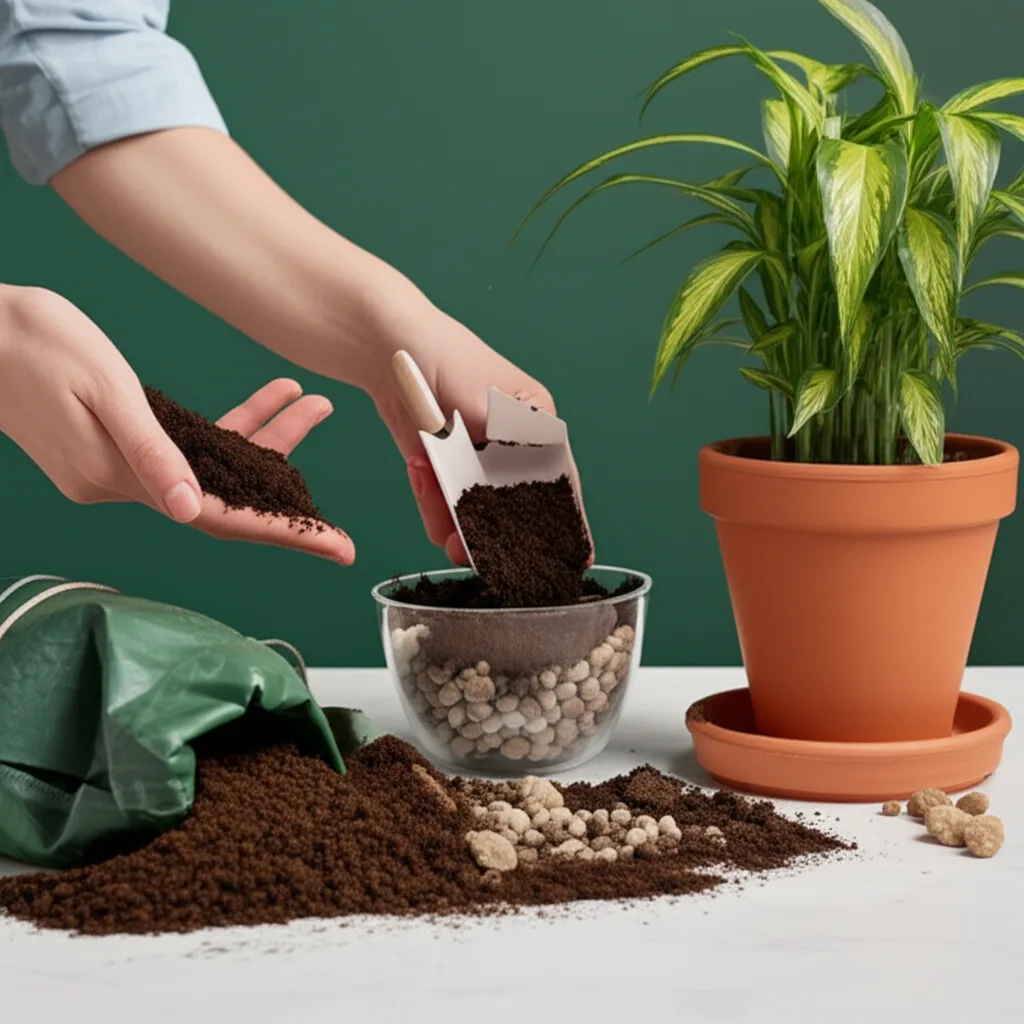
Imagine stepping into your bathroom, not just for a quick shower, but for a moment of serene escape, surrounded by lush, vibrant greenery. Bathroom plants are a design dream, transforming utilitarian spaces into tranquil, spa-like sanctuaries. Their presence not only adds beauty and a touch of nature but can also improve air quality and boost your mood. However, cultivating a thriving indoor jungle in this unique environment presents a distinct challenge, primarily because of one often-overlooked hero: the soil.
The bathroom, with its fluctuating temperatures, high humidity, and often limited natural light, is a world apart from your living room or kitchen. These specific conditions demand a soil strategy that goes beyond a generic bag of potting mix. It requires a nuanced understanding of drainage, aeration, and moisture retention, all tailored to combat the pitfalls and leverage the benefits of a humid haven.
This in-depth guide will unravel the secrets to crafting the perfect soil environment for your bathroom botanicals. We’ll dive into the "why" behind specific soil choices, provide step-by-step instructions for mixing, and offer plant-specific advice to ensure your leafy companions don’t just survive, but truly flourish in their steamy abode. Get ready to transform your bathroom into the verdant oasis you’ve always dreamed of!
Understanding the Bathroom Environment: Why Soil is Your Secret Weapon
Before we grab our mixing bowls, let’s briefly consider what makes the bathroom such a peculiar place for plants, and how soil plays a pivotal role in mitigating or enhancing these factors.
- Humidity Haven (and Hazard): This is the bathroom’s superpower and its Achilles’ heel. While many tropical plants adore the high humidity, it also means less water evaporates from the soil surface. This slow evaporation can lead to constantly wet soil, a prime breeding ground for root rot and fungal diseases – the nemesis of healthy plants. Your soil needs to be an expert in drainage.
- Temperature Tango: Showers create warm, steamy bursts, followed by cooler periods. These fluctuations, though less impactful than humidity on soil, can affect plant metabolism and water uptake, making a consistent, well-draining soil even more important.
- Light Levels: The Great Unknown: Bathrooms often feature low to moderate light, with windows sometimes obscured or non-existent. Plants in lower light generally use less water, meaning their soil needs to dry out more slowly, but still effectively, to prevent waterlogging.
- Pest Patrol: Constantly moist soil can attract unwelcome guests like fungus gnats. A well-draining mix that dries out sufficiently between waterings is your first line of defense.
In essence, the perfect bathroom plant soil mix is a balancing act: it needs to offer enough moisture retention to nourish roots but be exceptionally well-draining to prevent waterlogging, aeration, and disease.
The Foundation: Crafting the Perfect Bathroom Plant Soil Mix
Forget one-size-fits-all. The secret to happy bathroom plants lies in customizing their substrate. Here’s how to build a mix that sings.
The Core Components for a Winning Mix
Every great soil mix starts with a few key ingredients. Think of these as your plant’s culinary building blocks.
- High-Quality Potting Soil or Compost (The Base): This provides essential nutrients and a foundational structure. Opt for a reputable brand that’s peat-free or has a low peat content for sustainability and better long-term aeration. Look for mixes that already include some perlite or vermiculite, but don’t stop there.
- Perlite or Pumice (The Aerator & Drainage Champion): These lightweight, porous materials are non-negotiable for bathroom plants. They create air pockets, preventing soil compaction and ensuring water flows freely through the pot, rather than pooling around the roots. Aim for coarse grades for maximum effect. Perlite is volcanic glass, pumice is volcanic rock – both do a similar job effectively.
- Orchid Bark, Coarse Sand, or Horticultural Grit (The Structural Support): These components further enhance drainage and provide excellent aeration. Orchid bark is fantastic for plants that enjoy a slightly chunkier, more open mix (like epiphytes). Coarse sand (not play sand!) or horticultural grit adds weight and improves drainage for plants that prefer a slightly denser but still well-aerated medium.
- Sphagnum Moss (The Moisture Manager – Use with Caution): While excellent for moisture retention, use sphagnum moss sparingly in a high-humidity bathroom. It’s best reserved for plants that truly love consistently moist conditions, like certain ferns or young cuttings, or as a top dressing to maintain humidity around the plant, rather than mixed heavily into the soil. Its super moisture-retaining properties can quickly lead to overwatering issues in a humid bathroom.
- Activated Charcoal (The Unsung Hero): A small amount of activated charcoal mixed into your soil can do wonders. It absorbs impurities, odors, and can help prevent the growth of harmful bacteria and fungi, making it a fantastic addition for a consistently humid environment.
General Ratio Guidelines: Your Starting Point
While customization is key, here’s a versatile starting point for many common bathroom plants:
- 60% High-Quality Potting Soil/Compost: Provides nutrients and structure.
- 20% Perlite or Pumice: Ensures crucial aeration and drainage.
- 20% Orchid Bark OR Coarse Sand/Horticultural Grit: Adds to drainage and creates a coarser texture.
- A tablespoon or two of Activated Charcoal (per gallon of mix): For purification and fungal prevention.
Pro Tip: Always mix your components thoroughly in a large bucket or tub. Wear gloves and a mask, especially when handling dusty materials like perlite.
Tailoring Soil for Popular Bathroom Plant Picks
Now, let’s get specific. Different plants have different needs, even within the humid confines of a bathroom.
Humidity Lovers: Ferns, Orchids, and Peace Lilies
These plants thrive in the bathroom’s steamy conditions but require soil that prevents their roots from sitting in stagnant water.
- Ferns (e.g., Boston Fern, Maidenhair Fern):
- Ideal Mix: Rich, well-draining, and slightly acidic. A good mix would be 50% high-quality potting soil, 30% perlite, 15% orchid bark, and 5% activated charcoal. They love consistent moisture but hate being waterlogged. The bark and perlite ensure excellent drainage while the potting soil provides the organic matter they crave.
- Orchids (e.g., Phalaenopsis):
- Ideal Mix: Forget traditional soil entirely! Orchids are epiphytes, meaning they grow on other plants in nature, not in soil. Their roots need extreme air circulation. Use a specialized orchid mix consisting primarily of coarse orchid bark, perlite, and perhaps a bit of charcoal. You can even mix in some sphagnum moss very lightly for a touch of moisture retention, but airiness is paramount.
- Peace Lilies (Spathiphyllum):
- Ideal Mix: Rich, well-draining, but also moisture-retentive. They appreciate consistent moisture but will suffer from root rot if the soil is too dense. A mix of 60% potting soil, 20% perlite, and 20% fine orchid bark or coco coir will work wonders. The coco coir can help retain moisture without becoming overly soggy.
Succulents & Cacti (The Brave Choices)
While not typical bathroom plants due to their low humidity needs, some can surprisingly tolerate the environment if their soil is impeccable. This section applies more generally to plants that prefer drier conditions, like the popular ZZ Plant or Snake Plant.
- ZZ Plant (Zamioculcas zamiifolia) & Snake Plant (Sansevieria):
- Ideal Mix: These hardy plants are incredibly forgiving but absolutely despise wet feet. Their soil needs to be exceptionally gritty and fast-draining. A fantastic mix would be 40% potting soil, 30% perlite/pumice, and 30% coarse sand or horticultural grit. The goal is for water to literally run through the pot quickly, ensuring the roots dry out completely between waterings. Humidity will slow down drying, so perfect drainage is critical.
Low-Light Tolerators (Pothos, Philodendron)
These vining beauties are practically indestructible and adapt well to lower light conditions, making them perfect bathroom inhabitants.
- Pothos (Epipremnum aureum) & Philodendron (various species):
- Ideal Mix: Versatile and relatively easy-going, these plants thrive in a standard well-draining houseplant mix. A good general mix of 60% potting soil, 20% perlite, and 20% orchid bark or coco coir will suit them perfectly. They appreciate moisture but are resilient to drying out slightly between waterings.
Advanced Soil Tricks and Maintenance for Bathroom Plants
Beyond the initial mix, a few ongoing tricks can keep your bathroom plants in peak condition.
Enhancing Drainage & Preventing Pests
- Proper Potting is Paramount: Always use pots with drainage holes. If you’re using a decorative cache pot (a pot without holes that holds the actual plant pot), ensure there’s a gap at the bottom for air circulation and periodically empty any collected water. Never let your plant sit in standing water.
- The "No Drainage Layer" Myth: While it seems logical to add a layer of pebbles or broken pot shards at the bottom for drainage, this actually raises the "perched water table," making it harder for roots to drain effectively. Instead, focus on mixing drainage materials throughout your soil.
- Top Dressing for Pest Control: A thin layer of decorative pebbles or coarse sand on top of the soil can deter fungus gnats. These tiny pests thrive in moist topsoil, and the dry barrier prevents them from laying eggs.
- Activated Charcoal Refresh: If you notice a musty smell or suspect fungal issues, you can gently scratch in a fresh layer of activated charcoal into the top inch of soil during repotting or as a top-up.
Watering Wisdom in a Humid Environment
This is where the bathroom truly demands a different approach.
- Less Frequent, More Thorough: High humidity means soil dries out slower. Always check the soil moisture with your finger – stick it an inch or two deep. Water only when the top few inches feel dry for most plants.
- The "Weight Test": Lift your plant’s pot when it’s dry and note its weight. Do the same after watering. This helps you gauge soil moisture without constantly poking.
- Watering from Below: For some plants, especially those prone to fungal issues, consider bottom watering. Place the pot in a tray of water for 20-30 minutes, allowing the soil to soak up moisture from the bottom. Remove and let drain thoroughly. This encourages deeper root growth and keeps the surface drier.
- Soil Choice Dictates Frequency: A gritty, fast-draining soil will require more frequent watering than a denser, more moisture-retentive mix. Observe your plants and adjust.
Repotting: When and How to Refresh
- Signs It’s Time: Roots circling the bottom of the pot, water running straight through without absorbing, stunted growth, or a general decline in plant health.
- The Process: Choose a pot only one size larger than the current one. Gently remove the plant, loosen any circling roots, and remove as much old soil as possible without damaging the root ball. Repot with your freshly mixed, tailored bathroom soil.
- Refresh the Mix: Even if your plant doesn’t need a larger pot, it’s a good idea to refresh the top few inches of soil every year or two to replenish nutrients and improve aeration.
Fertilizing: Less is More
- Reduced Needs: In lower light and high humidity, plants often grow slower, meaning they require less fertilizer. Over-fertilizing can lead to nutrient burn and salt buildup in the soil.
- Diluted Strength: Use a balanced liquid fertilizer at half or even quarter strength during the growing season (spring and summer). Avoid fertilizing during winter dormancy.
- Listen to Your Plant: Yellowing leaves or stunted growth can indicate nutrient deficiencies, but also overwatering or poor drainage. Always rule out soil and watering issues first.
Conclusion: Cultivating Your Bathroom Oasis
Transforming your bathroom into a lush, green sanctuary is entirely achievable with the right approach to soil. By understanding the unique challenges of this humid environment and tailoring your soil mix accordingly, you empower your plants to not just survive, but to truly thrive.
Remember the golden rules: prioritize excellent drainage and aeration, customize your mix for specific plant needs, and adopt a mindful watering routine. With these step-by-step soil tricks, you’re well on your way to creating a vibrant, healthy indoor garden that brings joy, tranquility, and a breath of fresh air to your daily routine. So, roll up your sleeves, get mixing, and watch your bathroom transform into the verdant oasis you’ve always dreamed of!
