
 By rifan muazin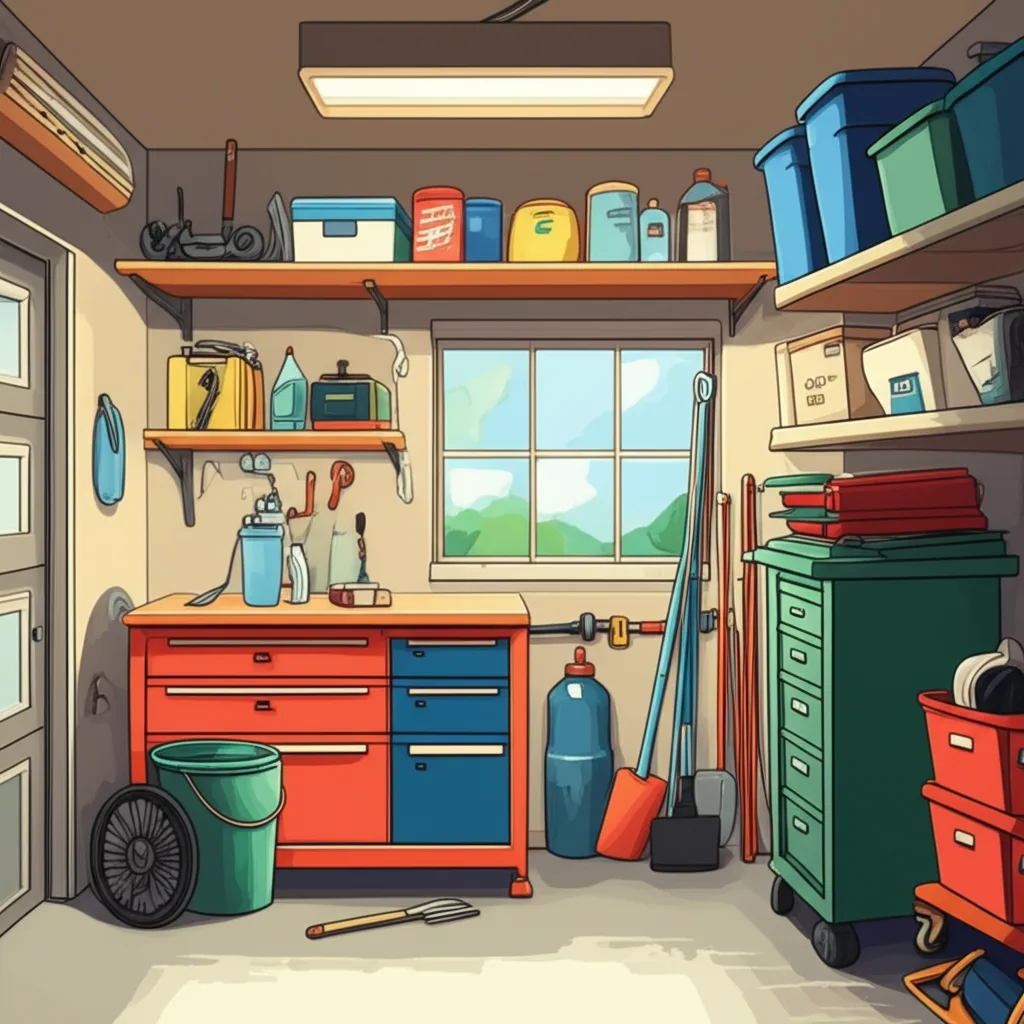
For many of us, the garage is a versatile space – a workshop, a storage unit, a gym, or sometimes, simply a convenient place to stash anything that doesn’t quite fit elsewhere. Yet, it’s often overlooked when we talk about sustainable living. While we’re busy perfecting our kitchen composting and reusable shopping bags, the garage can quietly become a haven for forgotten items, unused tools, and potential waste. But what if we told you your garage holds immense potential to be a beacon of zero-waste principles?
Embracing a zero-waste philosophy in your garage isn’t just about environmental responsibility; it’s about creating a more organized, functional, and efficient space that ultimately saves you time and money. It’s a journey from clutter to clarity, from mindless accumulation to mindful consumption. This in-depth guide will walk you step-by-step through transforming your garage into a hub of sustainability, proving that zero-waste principles can thrive far beyond the pantry.
Understanding the Zero-Waste Garage Philosophy
Before diving into the practical steps, it’s crucial to grasp the core concept of zero-waste in this unique environment. It’s not just about recycling a few plastic containers; it’s about a holistic approach rooted in the "5 Rs": Refuse, Reduce, Reuse, Repurpose, Recycle, and Rot (Compost).
In the context of your garage, this means:
- Refusing unnecessary purchases and single-use items.
- Reducing the sheer volume of stuff you own and bring in.
- Reusing existing containers and items for new purposes.
- Repurposing old tools or materials into something new.
- Recycling what cannot be refused, reduced, reused, or repurposed, according to local guidelines.
- Rotting (composting) organic materials like yard waste or untreated sawdust.
The garage, often a dumping ground for forgotten projects, broken items, and hazardous materials, presents unique challenges and opportunities for applying these principles. It’s time to roll up our sleeves and tackle this often-neglected space with a fresh, sustainable perspective.
Phase 1: The Great Garage Purge & Audit – Reduce & Rethink
The first and most critical step in achieving a zero-waste garage is a thorough decluttering and inventory. You can’t organize sustainably if you don’t know what you have or what you truly need.
The Initial Inventory – What’s Really Hiding?
This can feel daunting, but breaking it down makes it manageable. Choose a weekend, put on some music, and prepare to get dirty!
- Empty It Out (or Section by Section): If feasible, pull everything out of your garage into your driveway or yard. If that’s too overwhelming, tackle one section (e.g., one wall, one shelf unit) at a time. This allows you to see everything you own with fresh eyes.
- Create Sorting Zones: Set up distinct areas for:
- Keep: Items you use regularly, are in good condition, and serve a clear purpose.
- Donate/Sell: Items in good condition but no longer needed or wanted.
- Recycle: Materials accepted by your local recycling program (cardboard, certain plastics, metals).
- Hazardous Waste: Paints, chemicals, oils, batteries, electronics. Crucially, do NOT put these in regular trash or recycling.
- Compost: Organic matter like leaves, grass clippings, untreated wood scraps.
- Trash: The absolute last resort for items that cannot be sorted into any other category.
Deciding What Stays – The "Do I Really Need This?" Test
As you go through each item, apply a strict filter to minimize what returns to your garage. Ask yourself:
- When did I last use this? If it’s been over a year and it’s not a seasonal item (like holiday decorations or snow shovel), consider letting it go.
- Does it work? If it’s broken, are you genuinely going to fix it? If not, it’s just taking up space.
- Do I have duplicates? You likely don’t need three hammers or five partial cans of paint. Consolidate or discard duplicates responsibly.
- Does it serve a clear purpose? Avoid keeping "just in case" items that have no immediate or foreseeable use.
Responsible Disposal – Beyond the Bin
This is where the "zero-waste" aspect truly shines.
- Donate & Sell: Tools, sports equipment, gardening supplies, old furniture, or even spare parts can find new homes through local charities, consignment shops, online marketplaces (Facebook Marketplace, Craigslist), or garage sales. This reduces landfill waste and gives items a second life.
- Recycling Specifics: Beyond general recycling, many areas have specific drop-off points for scrap metal, electronics (e-waste), or even plastic bags (often collected at grocery stores). Research your local options.
- Hazardous Waste Management: This is paramount for safety and environmental protection. Never pour chemicals down the drain or throw them in the regular trash. Look up your municipality’s hazardous waste collection events or permanent drop-off sites for items like:
- Old paint, paint thinners, solvents
- Motor oil, antifreeze, other automotive fluids
- Pesticides, herbicides, fertilizers
- Household cleaners
- Batteries (especially car batteries and rechargeable ones)
- Fluorescent light bulbs
Phase 2: Setting Up for Sustainable Storage – Reuse & Repurpose
Once you’ve decluttered, it’s time to organize the "keepers" with sustainability in mind. This phase focuses on using what you already have or investing in durable, long-lasting solutions.
Repurposing Old Items for Storage Solutions
Before buying new storage containers, look around your home or even your sorted garage pile for potential reuses:
- Old Dressers/Cabinets: A forgotten dresser can be transformed into excellent tool storage, with drawers perfect for organizing hardware, glues, or painting supplies. Old kitchen cabinets can be mounted on walls for closed storage.
- Plastic Containers & Bins: Instead of tossing old food containers (yogurt tubs, deli containers), wash them thoroughly and use them to sort small parts like screws, nails, washers, or even garden seeds. Clear containers are ideal for visibility.
- Glass Jars: Repurpose large pickle or canning jars for storing small items like paintbrushes, pencils, or bulkier hardware. Their transparency makes finding things a breeze.
- Pallets: Free wooden pallets (check local businesses) can be incredibly versatile. Stand them upright for vertical lumber storage, create simple shelving units, or even build a small compost bin.
- Old Tires: Cleaned tires can be stacked to store garden hoses, or even used as a unique, durable planter.
Smart & Durable Storage Choices
When you do need to purchase storage, make eco-conscious choices:
- Opt for Quality Over Quantity: Invest in sturdy, durable storage bins made from recycled plastic or metal that will last for years, rather than flimsy, disposable options.
- Modular Systems: Choose shelving units, pegboards, and drawer systems that can be reconfigured or expanded as your needs change. This adaptability prevents you from buying new solutions every few years.
- Utilize Vertical Space: Walls are prime real estate in a garage. Install shelves, pegboards, slat walls, or magnetic strips to get items off the floor. This not only organizes but also makes cleaning easier.
- Clear, Reusable Labels: Use a label maker or durable tags that can be updated. This reduces waste from constantly re-labeling and makes it easy to find items, preventing duplicate purchases.
Phase 3: Mindful Maintenance & Operations – Repair & Refill
A zero-waste garage isn’t just about what you store; it’s about how you operate within it. This phase focuses on extending the life of your items and making sustainable choices in your daily activities.
Repair Over Replace – Extending Tool Lifespans
The "repair" principle is powerful in the garage. Many tools and items can be revived with a little effort:
- Sharpening: Dull saws, pruners, axes, and shovels can often be sharpened, making them as good as new. This is far more sustainable than buying replacements.
- Oiling & Cleaning: Regular maintenance, like oiling moving parts on tools or cleaning garden equipment, prevents rust and wear, significantly extending their lifespan.
- Learning Basic Repairs: Invest time in learning how to fix common issues with small appliances, bicycles, or even lawnmowers. Online tutorials and community workshops are excellent resources.
- Sourcing Parts: Many manufacturers offer replacement parts for their tools, which is much more eco-friendly than buying an entirely new item.
Sustainable Product Choices & Refills
Rethink the products you bring into your garage:
- Cleaning Supplies: Instead of single-use wipes or harsh chemical cleaners, opt for concentrated formulas, refillable bottles, or DIY solutions like vinegar and baking soda for general cleaning.
- Automotive Fluids: When performing car maintenance, choose brands committed to sustainability, and always ensure proper disposal of used oils and fluids (back to a hazardous waste facility or auto parts store).
- Pest Control: Explore natural pest deterrents (e.g., peppermint oil for mice) before resorting to chemical solutions, especially if you have pets or children.
Energy Efficiency in the Garage
Even small changes can make a difference:
- LED Lighting: Replace old incandescent or fluorescent bulbs with energy-efficient LED lighting. They last longer and consume significantly less electricity.
- Insulation: If your garage is heated or cooled, ensure it’s properly insulated to prevent energy loss.
- Natural Light: Maximize natural light with windows, skylights, or even light tubes to reduce reliance on artificial lighting during the day.
- Unplug Phantom Loads: Unplug tools and chargers when not in use, as they can draw "phantom" power even when turned off.
Phase 4: Composting & Upcycling Workshop – Rot & Repurpose Creatively
The final phase embraces the creative side of zero-waste, turning potential waste into valuable resources or new treasures.
Transforming Yard Waste into Garden Gold
Your garage area is often where yard waste accumulates. Embrace composting:
- Designated Compost Bin: Set up a dedicated compost bin or pile in a corner of your garage or just outside. This is perfect for leaves, grass clippings, non-diseased plant matter, and even untreated wood shavings or sawdust from your projects.
- Benefits: Composting reduces the volume of waste sent to landfills, enriches your garden soil, and saves you money on commercial fertilizers.
The Upcycling Hub – Giving Items a Second Life
Dedicate a small corner of your organized garage as an "upcycling station" where you can store items with creative potential:
- Salvaged Wood: Old fence pickets, pallet wood, or leftover lumber can be transformed into planters, small shelves, or craft projects.
- Old Furniture Parts: A broken chair leg could become a new handle, or an old drawer could be repurposed into a wall shelf.
- Scrap Metal/Plastic: Consider how these might be incorporated into art projects, repairs, or even new organizational tools.
- Encourage Creativity: This space encourages you to see "waste" as raw material, fostering ingenuity and reducing consumption.
Conclusion: Your Sustainable Garage Awaits
Transforming your garage into a zero-waste haven is an ongoing journey, not a one-time event. It requires a shift in mindset, moving from accumulation to mindfulness, from discarding to valuing. By embracing the principles of reduce, reuse, repair, repurpose, recycle, and rot, you’re not just decluttering a space; you’re actively participating in a more sustainable lifestyle.
Starting small, perhaps with just one shelf or one category of items, can build momentum. Celebrate each step – whether it’s responsibly disposing of hazardous waste, repurposing old containers, or repairing a beloved tool. A zero-waste garage isn’t just a testament to your organizational skills; it’s a powerful statement about conscious living, environmental responsibility, and the profound impact we can have, one organized space at a time. Get ready to enjoy a garage that’s not only clean and functional but also a true extension of your commitment to a healthier planet.
