
 By rifan muazin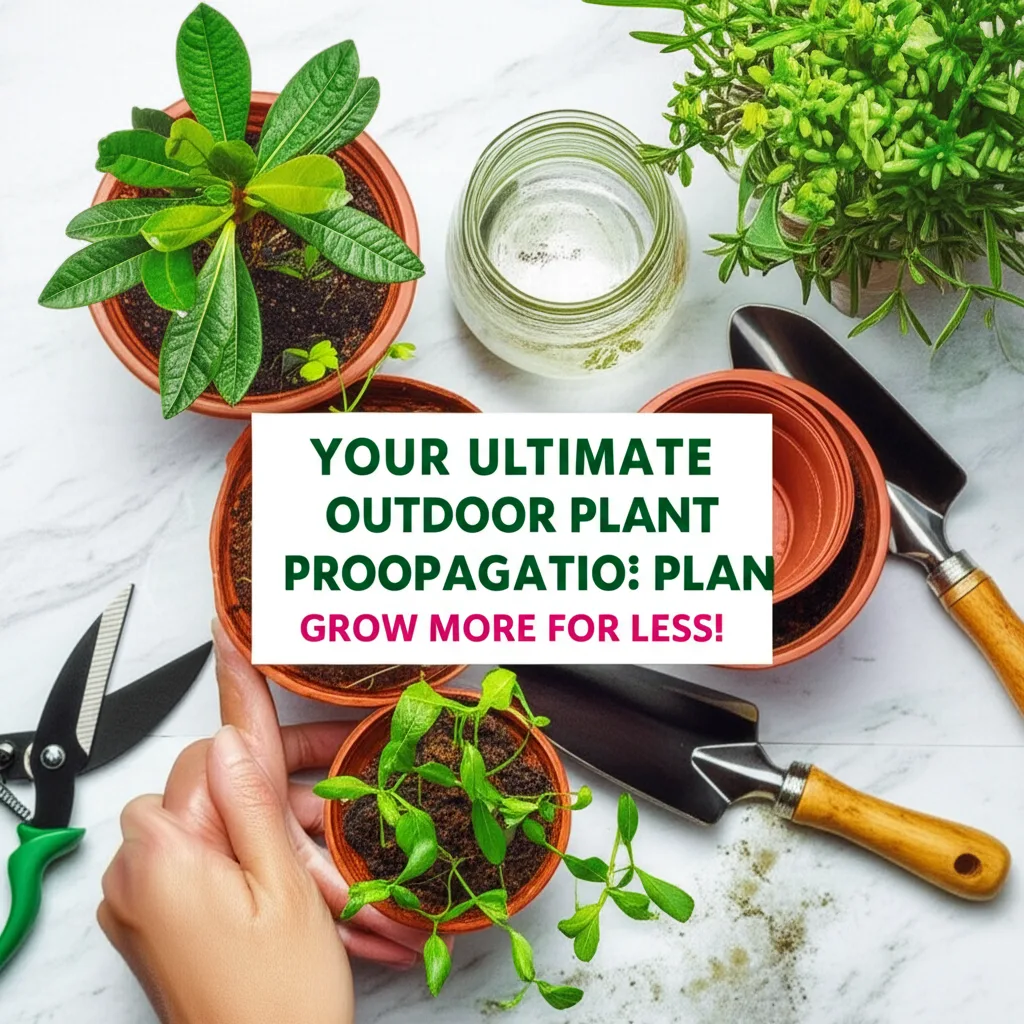
Imagine strolling through your garden, admiring a vibrant display of petunias, a fragrant rosemary bush, or perhaps a sturdy oak tree, all grown from a tiny seed or a simple cutting you nurtured yourself. This isn’t just a gardener’s dream; it’s the incredibly satisfying reality of plant propagation. For homeowners looking to expand their green oasis, save money, and connect deeply with their landscape, outdoor propagation offers a natural, robust, and highly rewarding path.
This comprehensive guide will equip you with an ultimate plan to propagate a wide array of plants directly in your outdoor space. We’ll explore various techniques, from starting seeds to cloning your favorite shrubs, all while leveraging the power of nature. Get ready to transform your garden into a self-sustaining nursery and discover the sheer joy of growing more for less.
Why Propagate Outdoors? The Natural Advantage
While indoor propagation setups have their place, moving your propagation efforts outdoors offers distinct benefits, especially for homeowners with ample space. Nature provides the ideal environment for many plants to root and establish themselves robustly.
Sunlight and Airflow: Unfiltered sunlight, even when diffused, is superior to most artificial grow lights, encouraging strong, healthy growth. Consistent air circulation, often a challenge indoors, helps prevent damping-off disease and strengthens developing stems.
Natural Hardening: Plants propagated outdoors are inherently "hardened off" from day one. They experience real temperature fluctuations, wind, and varying humidity, preparing them for a seamless transition to their permanent garden spots. This often results in tougher, more resilient plants that adapt quickly.
Cost-Effectiveness: Ditching expensive grow lights, heating mats, and specialized indoor shelving significantly reduces your initial investment. You’re harnessing the sun’s free energy and the earth’s natural warmth.
Space Efficiency: Instead of cluttering windowsills or dedicating indoor rooms, your outdoor propagation station can be integrated into a corner of your garden, a patio, or a dedicated nursery bed.
Laying the Groundwork: Essential Preparations
Success in outdoor propagation begins with careful planning and preparation. Think of this as setting the stage for your future plant abundance.
Choosing Your Propagation Spot
Location, location, location! This is paramount.
- Light Requirements: Most cuttings and seedlings need bright, indirect light. A spot that receives morning sun and afternoon shade is often ideal, protecting delicate new growth from scorching. If full sun is unavoidable, consider using a shade cloth.
- Protection: Shield your propagation area from strong winds, which can desiccate young plants or knock over pots. A wall, fence, or even a larger shrub can provide a natural windbreak.
- Water Access: Ensure your chosen spot is conveniently close to a water source. Consistent moisture is crucial for successful rooting.
- Drainage: If propagating directly in the ground, ensure the soil drains well to prevent waterlogging.
Gathering Your Toolkit
While propagation can be low-tech, a few essential tools will make the process smoother and more successful.
- Sterilized Cutting Tools: Sharp pruners, a grafting knife, or even a razor blade are vital. Sterilize them with rubbing alcohol between each plant to prevent disease transmission.
- Rooting Hormone: Available in powder, gel, or liquid forms, rooting hormone significantly increases the success rate of cuttings. Choose one suitable for the type of plant you’re propagating.
- Propagation Medium: This is critical. A sterile, well-draining, and moisture-retentive mix is ideal. Options include:
- Seed-starting mix: Fine, sterile, and light.
- Perlite/Vermiculite: Excellent for drainage and aeration, often mixed with peat moss or coco coir.
- Coarse Sand: Good for drainage, especially for woody cuttings.
- A custom blend: Often equal parts peat moss/coco coir, perlite, and coarse sand.
- Pots and Trays: Choose pots with good drainage holes. Smaller pots (2-4 inches) are ideal for individual cuttings or seedlings, while larger trays are great for starting multiple seeds.
- Labels and Markers: You will forget what you planted where. Label everything immediately with plant name and date.
- Mister Bottle and Watering Can: A fine mist helps maintain humidity for cuttings, and a gentle watering can prevents dislodging seeds or young plants.
- Optional Enhancements:
- Mini-Greenhouse/Cold Frame: Provides a protected, humid environment, ideal for cuttings or extending the growing season.
- Clear Plastic Domes/Bags: To create humidity for individual pots.
Understanding Your Plants
Not all plants propagate in the same way, or at the same time of year. A little research goes a long way.
- Timing is Key: Softwood cuttings are taken in spring/early summer, semi-hardwood in mid-summer, and hardwood in late fall/winter. Division is typically done in spring or fall.
- Method Preference: Some plants root easily from cuttings (e.g., coleus, impatiens), others from seeds (e.g., tomatoes, cosmos), and many perennials benefit from division (e.g., hostas, daylilies).
Diverse Paths to Plant Plenty: Outdoor Propagation Methods
Now for the exciting part – getting your hands dirty and multiplying your green treasures!
Seed Starting Outdoors: Nurturing New Life
Starting seeds outdoors is one of the simplest and most rewarding propagation methods, perfect for many annuals, vegetables, and some perennials.
- Direct Sowing: Many seeds can be sown directly into a prepared garden bed once the danger of frost has passed. Ensure the soil is finely tilled, free of weeds, and well-draining. Follow package instructions for planting depth and spacing. Examples include sunflowers, zinnias, beans, corn, and many root vegetables.
- Starting in Trays/Pots: For smaller seeds, or to get a head start before transplanting, sow seeds in trays filled with seed-starting mix.
- Fill trays with moist medium.
- Sow seeds according to depth recommendations. A good rule of thumb: plant seeds twice as deep as their diameter.
- Lightly cover with medium, if required.
- Mist gently and keep consistently moist.
- Place trays in a protected spot with bright, indirect light.
- Cold Stratification (for some perennials): Some perennial seeds require a period of cold to germinate. For outdoor propagation, this can be achieved naturally by sowing seeds in pots in late fall and allowing them to overwinter outdoors. The natural freeze-thaw cycles will prepare them for spring germination.
Cuttings: Replicating Your Favorites
Taking cuttings allows you to create an exact genetic clone of a parent plant – perfect for replicating a beloved rose or a particularly vigorous herb.
- Selecting Material: Choose healthy, non-flowering shoots from the current season’s growth. Avoid overly woody or diseased stems.
- The Cutting Process:
- Using your sterilized tool, take a 4-6 inch cutting, just below a leaf node (the bump where a leaf emerges).
- Remove leaves from the bottom 1-2 inches of the stem to expose nodes where roots will form.
- (Optional but recommended) Dip the cut end into rooting hormone.
- Make a small hole in your propagation medium (to avoid scraping off the hormone) and insert the cutting.
- Gently firm the medium around the cutting.
- Creating Humidity: For best results, place a clear plastic dome or bag over the pots to create a mini-greenhouse effect. Ensure the plastic doesn’t touch the leaves.
- Placement: Place pots in bright, indirect light. Keep the medium consistently moist but not waterlogged.
- Examples: Hydrangeas (softwood), roses (semi-hardwood), rosemary (semi-hardwood), lavender (semi-hardwood), coleus (softwood), philodendrons (tropical houseplants moved outdoors for summer).
Layering: Rooting While Attached
Layering is a fantastic method for plants that are reluctant to root from cuttings, as the new plant remains attached to the parent, receiving continuous water and nutrients until it develops its own root system.
- Simple Layering: Ideal for plants with flexible, low-growing branches.
- Select a healthy, pliable stem that can be bent to touch the ground.
- About 6-12 inches from the tip, gently wound the underside of the stem (a small cut or scraping away bark). Applying rooting hormone to this wound can accelerate rooting.
- Bury the wounded section in a shallow trench (2-4 inches deep) in the soil, ensuring the tip of the branch remains above ground.
- Secure the buried section with a U-shaped wire, a rock, or a heavy stake.
- Keep the soil consistently moist. Roots typically form within a few months to a year.
- Once well-rooted, sever the connection to the parent plant.
- Air Layering: Best for thicker, upright stems or branches that can’t reach the ground.
- Choose a healthy stem. About 12-18 inches from the tip, make two parallel cuts around the stem, about 1 inch apart.
- Carefully remove the ring of bark between the cuts, exposing the inner wood. Scrape away the green cambium layer.
- Apply rooting hormone to the exposed wood.
- Wrap the wounded area with moist sphagnum moss.
- Encase the moss in clear plastic wrap, securing both ends tightly with electrical tape or string to prevent moisture loss.
- Check periodically for moisture and roots. Once a good root ball has formed (usually a few months), cut the stem below the roots and plant your new specimen.
- Examples: Climbing roses, rhododendrons, honeysuckle, dogwood (simple layering); magnolias, fruit trees, rubber plants (air layering).
Division: Expanding Perennials
For clumping perennials, division is the quickest way to get more plants while also rejuvenating older, overgrown specimens.
- Timing: Best done in early spring as new growth emerges, or in early fall after flowering, giving the plant time to establish roots before winter.
- The Process:
- Carefully dig up the entire clump of the parent plant.
- Gently shake off excess soil to expose the root ball.
- Using a sharp spade, knife, or even your hands, carefully separate the clump into smaller sections, each with a healthy portion of roots and foliage. Discard any dead or diseased sections.
- Replant the divisions immediately in prepared soil at the same depth they were previously growing.
- Water thoroughly.
- Examples: Hostas, daylilies, ornamental grasses, irises, sedum, astilbe.
The Art of Aftercare: Ensuring Success
Once your propagules are in place, consistent care is paramount to their survival and growth.
Watering Wisdom
- Consistent Moisture: Young plants and cuttings need consistently moist soil, but never waterlogged. Overwatering is a common killer.
- Misting: For cuttings under domes, misting the foliage and inside of the dome can help maintain crucial humidity.
- Check Daily: Feel the soil. If the top inch feels dry, it’s time to water.
Light and Shade Management
- Protect from Harsh Sun: Young plants, especially fresh cuttings, are very susceptible to sunburn. Keep them in bright, indirect light or use a shade cloth during the hottest parts of the day.
- Gradual Acclimatization: As they grow stronger, gradually expose them to more light if their final planting spot is in full sun.
Pest and Disease Vigilance
- Inspect Regularly: Check your propagules daily for any signs of pests (aphids, spider mites) or diseases (fungal spots, damping off).
- Good Airflow: Ensure good air circulation to deter fungal issues, especially if using domes or cold frames.
- Organic Solutions: Address problems quickly with organic pest control methods or by removing affected parts.
Hardening Off (if moving from a very protected spot)
If you’ve started seeds or cuttings in a highly protected mini-greenhouse or indoors, they will need to be gradually introduced to the harsher outdoor elements before permanent planting. This process, called "hardening off," involves:
- Starting with an hour or two outdoors in a sheltered, shady spot.
- Gradually increasing the time outdoors and exposure to sun and wind over 7-14 days.
- Bringing them in at night if temperatures are too low.
Potting Up and Transplanting
- Root Check: Gently tip a pot to see if a healthy root system has developed. If roots are circling the pot or emerging from drainage holes, it’s time to pot up to a larger container or transplant.
- Gentle Handling: Always handle young plants by their leaves or root ball, never by the delicate stem.
- Prepare the Site: Dig a hole slightly larger than the root ball, amend the soil if necessary, and water the hole before planting.
- Water In: After planting, water thoroughly to settle the soil around the roots.
Troubleshooting Common Propagation Challenges
Even experienced propagators face setbacks. Don’t be discouraged!
- No Roots Forming on Cuttings:
- Issue: Too dry, wrong time of year, unhealthy cutting, no rooting hormone.
- Solution: Ensure consistent moisture, use fresh, healthy material, try rooting hormone, check timing.
- Rotting Cuttings/Seedlings (Damping Off):
- Issue: Overwatering, poor drainage, non-sterile medium, lack of airflow.
- Solution: Improve drainage, use sterile medium, ensure good air circulation, reduce watering.
- Pests or Diseases:
- Issue: Lack of vigilance, overcrowding, unhygienic tools.
- Solution: Regular inspection, proper spacing, clean tools, immediate treatment.
- Wilting:
- Issue: Lack of water, too much sun, root damage during transplant.
- Solution: Check moisture, provide shade, handle gently.
Conclusion
Embarking on an outdoor plant propagation journey is more than just a gardening technique; it’s a deeply fulfilling endeavor that empowers you to grow your garden sustainably, economically, and with immense personal satisfaction. From the delicate promise of a sprouting seed to the robust establishment of a layered shrub, each success story is a testament to your green thumb and nature’s incredible resilience.
By following this ultimate plan – choosing the right spot, preparing your tools, understanding diverse methods, and providing diligent aftercare – you’ll unlock a world of abundance. So, grab your pruners, get your hands in the soil, and start multiplying the beauty in your backyard. Your ultimate garden awaits!
