
 By rifan muazin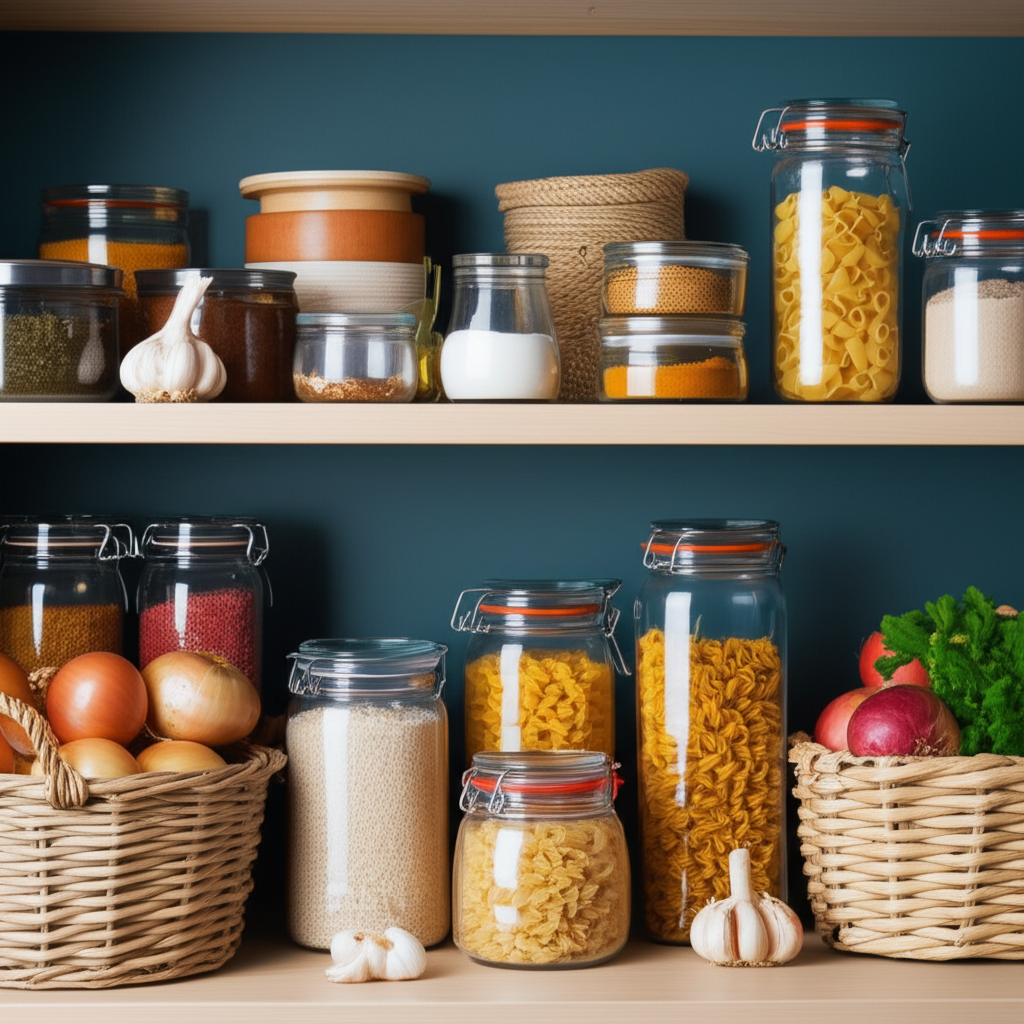
Ever feel overwhelmed when you open your kitchen cabinets, staring blankly at a jumble of forgotten ingredients and half-empty packets? Or perhaps you’re new to cooking and unsure where to even begin stocking your culinary arsenal? You’re not alone! The pantry, often overlooked, is the true heart of a well-functioning kitchen – a secret weapon for stress-free meal prep, budget-friendly cooking, and unlocking your inner chef.
This in-depth beginner’s pantry walkthrough isn’t just about filling shelves; it’s about creating an organized, efficient, and inspiring space that empowers you to cook with confidence. We’ll guide you through a practical, step-by-step process, transforming your current chaos into a perfectly curated collection of staples. Get ready to save time, reduce waste, and discover the joy of always having what you need, right when you need it.
Why a Well-Stocked Pantry is Your Kitchen’s Best Friend
Before we dive into the nitty-gritty, let’s briefly appreciate the profound impact a thoughtfully stocked pantry can have on your daily life. It’s more than just a storage area; it’s a foundation.
- The Foundation for Delicious Meals: Imagine whipping up a flavorful dinner without a frantic last-minute grocery run. Your pantry provides the building blocks for countless dishes, from comforting pasta to vibrant stir-fries.
- Emergency Preparedness & Convenience: Life happens. A well-stocked pantry means you’re prepared for unexpected guests, a sudden craving, or even a snow day when a trip to the store isn’t an option. It’s the ultimate convenience.
- Budget-Friendly Living: Buying staples in bulk or when they’re on sale is a savvy financial move. A stocked pantry reduces reliance on expensive takeout and last-minute impulse purchases, significantly cutting down your food budget over time.
- Stress Reduction & Creativity: No more "what’s for dinner?" panic attacks. Knowing what you have frees up mental space, allowing you to get creative with your cooking and enjoy the process.
Phase 1: The Grand Purge and Cleanse
Every great transformation begins with a clean slate. This is the most crucial, and often most satisfying, first step. Don’t skip it!
Step 1: Empty Everything Out
Yes, everything! Pull every single item out of your pantry, cabinets, and any other food storage areas. Place them on your kitchen counter, dining table, or even a clean floor. This might seem like a daunting task, but seeing everything laid out allows you to truly assess what you have. You’ll likely discover forgotten treasures and long-expired mysteries.
Step 2: Check Expiration Dates – Be Ruthless!
Now for the detective work. Pick up each item and check its "best by," "use by," or expiration date.
- "Use By" dates are about safety; toss these if expired.
- "Best By" dates are about quality; use your judgment. Does it look, smell, and taste okay? If in doubt, especially for items like spices (which lose potency) or flours (which can go rancid), it’s often best to discard. Remember the golden rule: "When in doubt, throw it out."
- Also, look for signs of spoilage, pest infestation, or damaged packaging.
Step 3: Group Like Items Together
As you sort through the survivors, start creating piles of similar items. All canned goods in one pile, all pasta in another, spices together, baking supplies together, and so on. This helps you visualize categories and identify duplicates you didn’t know you had. You might find three half-empty bags of rice – now you know!
Step 4: Deep Clean the Space
With your pantry empty, it’s the perfect opportunity for a thorough cleaning. Wipe down all shelves, vacuum or sweep away crumbs, and check for any signs of pests. A clean, fresh space is far more inviting and helps prevent future issues. Consider lining shelves with washable liners for easy future cleanup.
Phase 2: Building Your Foundational Pantry Staples
Now that your pantry is clean and you know what you have, it’s time to strategically fill it with versatile, long-lasting staples. Think of these as the backbone of your everyday cooking.
Grains & Pasta: The Hearty Base
These form the bulk of many meals.
- Rice: White rice (long-grain, basmati, jasmine) for versatility, brown rice for whole-grain goodness.
- Pasta: A few shapes like spaghetti, penne, and a smaller shape like elbow macaroni or orzo.
- Oats: Rolled oats for breakfast, baking, or even savory dishes.
- Quinoa: A complete protein, great for salads or as a side.
Canned Goods: Your Quick-Meal Heroes
Canned items offer convenience and long shelf life.
- Tomatoes: Diced, crushed, paste, and whole peeled tomatoes are essential for sauces, stews, and chilis.
- Beans: Black beans, cannellini beans, chickpeas – excellent sources of protein and fiber for countless dishes.
- Coconut Milk: Full-fat for curries and rich sauces, light for healthier options.
- Broth: Chicken, vegetable, or beef broth (low-sodium is often preferred).
- Tuna/Salmon/Chicken: Canned proteins for quick salads, sandwiches, or casseroles.
Baking Essentials: Sweet & Savory Creations
Even if you’re not a huge baker, a few key items are indispensable.
- Flour: All-purpose flour is a must. Consider a small bag of whole wheat or bread flour if you bake regularly.
- Sugar: Granulated white sugar, brown sugar (light or dark), and powdered sugar (for dusting).
- Leavening Agents: Baking powder and baking soda. Check their freshness periodically!
- Vanilla Extract: Essential for almost any sweet recipe.
- Salt: Kosher or sea salt for cooking and baking.
Oils & Vinegars: Flavor & Function
These are crucial for cooking, dressings, and marinades.
- Olive Oil: Extra virgin for dressings and finishing, regular olive oil for sautéing.
- Vegetable/Canola Oil: A neutral oil for high-heat cooking and baking.
- Apple Cider Vinegar: Great for dressings, pickling, and some baking.
- White Vinegar: For cleaning, pickling, and some recipes.
- Balsamic Vinegar: Adds a sweet, tangy depth to many dishes.
Spices & Seasonings: The Soul of Your Cooking
Start with the basics and build your collection. Fresh spices make a world of difference!
- Salt & Black Pepper: Non-negotiables.
- Garlic Powder & Onion Powder: Easy flavor boosters.
- Cumin & Paprika: Fundamental for many cuisines.
- Oregano & Chili Powder: Versatile dried herbs/blends.
- Red Pepper Flakes: For a touch of heat.
- Optional but Recommended: Italian seasoning, dried thyme, cinnamon, nutmeg.
Condiments & Sauces: Instant Flavor Boosters
Keep a few favorites on hand to elevate simple meals.
- Soy Sauce: For Asian-inspired dishes and marinades.
- Hot Sauce: For a kick!
- Mustard: Dijon and/or yellow mustard.
- Ketchup: A classic.
- Honey & Maple Syrup: Natural sweeteners for cooking, baking, and dressings.
Nuts & Seeds: Healthy Snacks & Recipe Boosters
Great for adding texture, nutrition, and flavor.
- Almonds/Walnuts: For snacking, baking, or salads.
- Chia Seeds/Flax Seeds: For smoothies, oatmeal, or baking.
Phase 3: Smart Organization & Storage Solutions
A well-stocked pantry is only truly effective if it’s organized. This phase focuses on making everything visible, accessible, and fresh.
Clear Containers are Your Best Friend
Invest in good quality, airtight containers for dry goods like flour, sugar, pasta, rice, and oats.
- Airtight seals protect against moisture and pests, keeping food fresh longer.
- Clear containers allow you to see exactly what you have at a glance, preventing overbuying and forgotten ingredients.
- Uniform containers create a tidy, cohesive look and make stacking easier.
Zone Your Pantry for Efficiency
Think about how you use your pantry and create logical zones.
- Baking Zone: Keep all baking flours, sugars, leavening agents, and extracts together.
- Breakfast Zone: Oats, cereals, pancake mix, and syrups.
- Dinner Ingredients: Pasta, rice, canned goods, broths.
- Snack Zone: Nuts, dried fruit, granola bars.
- "First In, First Out" (FIFO): When adding new items, place older items to the front so they are used first. This is especially important for items with closer expiration dates.
Utilize Vertical Space Smartly
Don’t let vertical space go to waste!
- Shelf Risers: Create double-decker storage for cans or smaller jars.
- Stackable Bins: Great for corralling odd-shaped items or snacks.
- Over-the-Door Organizers: Excellent for spices, small jars, or frequently used lightweight items if your pantry has a door.
Label Everything!
Even in clear containers, labels are incredibly helpful.
- Contents: Clearly label what’s inside (e.g., "All-Purpose Flour").
- Purchase/Opened Date: For spices, flours, and other items that lose potency or freshness over time, note the date you opened or purchased them. This makes future purges much easier.
Easy Access for Frequent Items
Place the items you use most often at eye level, where they are easiest to grab. Heavier items like large bags of flour or cases of canned goods should go on lower, sturdier shelves. Less frequently used items (e.g., holiday baking sprinkles, emergency supplies) can reside on higher shelves.
Phase 4: Maintaining Your Marvelous Pantry
Setting up your pantry is a fantastic achievement, but ongoing maintenance is key to keeping it functional and inspiring.
Regular Check-ins
Make it a habit to do a quick pantry scan before you head to the grocery store. This prevents buying duplicates and helps you remember what needs to be used up. A more thorough monthly "mini-purge" to check dates and reorganize can also be beneficial.
Shopping with Purpose
Armed with your pantry inventory, create a focused grocery list. This reduces impulse buys and ensures you’re only purchasing what you genuinely need to replenish or add to your collection.
Meal Planning Power
One of the greatest benefits of a well-stocked pantry is how it supports meal planning. Instead of starting from scratch, look at what you have in your pantry and build meals around those ingredients. This reduces food waste and makes cooking more intuitive. For example, if you have canned tomatoes and black beans, plan for chili or tacos.
Embrace Leftovers and Reinvention
Get creative with your pantry staples. A can of chickpeas can become hummus or roasted snacks. Leftover pasta can be a cold salad. Your pantry encourages flexibility and reduces the need for constant new purchases.
Conclusion: Your Journey to Kitchen Confidence Begins Now
Congratulations! You’ve walked through the essential steps to setting up a beginner-friendly pantry. This isn’t just about having food; it’s about fostering a sense of control, creativity, and calm in your kitchen. By taking the time to purge, stock, organize, and maintain your pantry, you’re investing in more confident cooking, smarter budgeting, and a less stressful culinary life.
Remember, building a perfect pantry is a journey, not a one-time destination. Start small, be patient with yourself, and enjoy the process of discovering what works best for your cooking style and household. Your well-organized, fully-stocked pantry isn’t just a storage space – it’s your personal launchpad for countless delicious meals and newfound kitchen confidence. So, roll up your sleeves, and let the pantry transformation begin!
