 By rifan muazin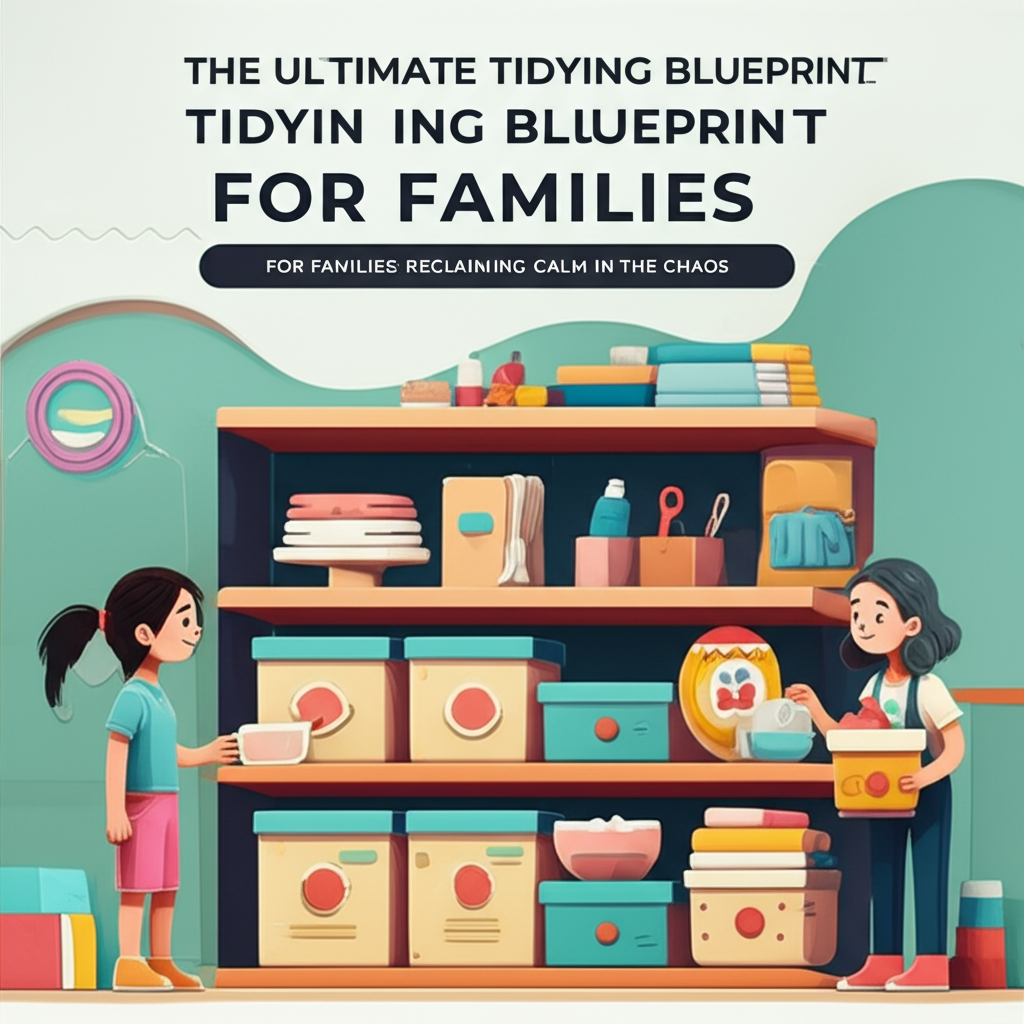
For many families, the dream of a consistently tidy home often feels like a mirage. Between school projects, evolving toy collections, ever-growing laundry piles, and the general ebb and flow of daily life, clutter can quickly become the default setting. If you’ve ever felt overwhelmed by the constant battle against mess, constantly picking up only for it to reappear moments later, you’re not alone.
But what if tidying wasn’t a punishment, but a shared journey? What if your home could genuinely support your family’s dynamic lifestyle rather than adding to the stress? Welcome to the Ultimate Tidying Blueprint for Families – a comprehensive, compassionate, and practical approach designed not just to declutter your home, but to create lasting systems and cultivate habits that bring peace, functionality, and joy back into your living space. This isn’t about rigid perfection; it’s about sustainable tidiness that works for your family.
Why Traditional Tidying Methods Often Miss the Mark for Busy Families
Many popular decluttering methods, while brilliant for individuals, often struggle to adapt to the unique ecosystem of a family home. Here’s why a family-specific approach is crucial:
The Endless Cycle of Clutter: A Family Phenomenon
Unlike a single person’s home, family homes face a constant influx of items. Kids bring home artwork, school supplies, party favors, and new toys. Adults accumulate mail, groceries, and various necessities. This relentless cycle means a "one-off" decluttering session, no matter how intense, is rarely enough to maintain order long-term. Without an ongoing system, the mess simply creeps back in.
Kids Aren’t Tiny Adults (and Spouses Aren’t Mind Readers)
Expecting children to automatically understand and adhere to adult organization principles is unrealistic. Their brains are wired for play, exploration, and often, leaving things where they drop them. Similarly, spouses or partners might have different tidiness tolerances or organizational styles. A successful family tidying blueprint acknowledges these differences, fostering cooperation rather than frustration. It’s about building shared understanding and age-appropriate involvement.
The Core Principles of the Ultimate Tidying Blueprint
This blueprint isn’t just a list of tasks; it’s a philosophy. Its foundation rests on four key principles that guide every step of your family’s tidying journey:
Principle 1: Family-Centric, Not Just Child-Friendly
True sustainable tidiness involves everyone. From toddlers to teens to adults, each family member plays a vital role. This blueprint emphasizes involving everyone in the decision-making and maintenance processes, fostering a sense of ownership and shared responsibility, rather than just dictating rules.
Principle 2: Function Over Aesthetics (Initially)
While a beautiful, Instagram-worthy home is appealing, the priority for families must be function. Start by ensuring items are accessible, easy to put away, and serve their purpose. Once your systems are working seamlessly, you can always refine the aesthetics. A system that looks pretty but doesn’t work for your daily life will quickly fall apart.
Principle 3: Habit Formation, Not Just One-Time Action
The goal is to move beyond periodic purges to ingrained habits. This means creating simple, repeatable routines that become second nature for every family member. Consistency, even in small doses, is far more powerful than sporadic, overwhelming efforts.
Principle 4: Empathy and Understanding
Family life is rich with memories, sentimental items, and individual preferences. This blueprint encourages empathy – understanding why a child might be attached to a broken toy, or why a partner might prefer a certain organizational style. It’s about finding common ground and respectful solutions, not ruthless discarding.
Phase 1: The Great Family Audit & Purge
Before you can organize, you must first know what you have and what truly serves your family. This phase is about intentional evaluation and thoughtful decluttering.
Step 1: Vision Board & Family Meeting
Gather your family for a "vision meeting." Ask everyone what a "calm and functional home" looks like to them. Younger kids can draw pictures; older kids and adults can list ideas. Discuss problem areas and collective frustrations. This shared vision builds buy-in and sets realistic goals. Is it about finding keys easily? Having a clear dining table? Knowing where all the LEGOs are? Define your collective "why."
Step 2: The "Keep, Donate, Trash, Relocate" System (with a Family Twist)
Tackle one category or zone at a time (e.g., toys, books, clothes). For each item, ask:
- Keep: Does our family use this regularly? Is it truly special or essential?
- Donate: Could another family benefit from this? Is it in good condition?
- Trash/Recycle: Is it broken, expired, or beyond repair?
- Relocate: Does this belong somewhere else in the house?
Family Twist: Involve kids by asking age-appropriate questions. For toys, instead of "Do you love this?", try "Is this special to you? Do you play with it often?" For younger children, introduce the concept of a "toy rotation" box – items they can "rest" in storage and bring out later, making decluttering less final and more manageable. Empower them to make choices about their belongings, guiding them gently.
Step 3: Tackle High-Traffic Zones First
Begin with areas that cause the most daily friction: the entryway, living room, or kitchen counters. Clearing these "hotspots" provides immediate visual relief and builds momentum.
- Example: Create a designated landing zone in the entryway for shoes, backpacks, and mail. A simple shoe rack, a basket for accessories, and a mail sorter can make a huge difference in managing daily clutter. This instant gratification motivates the family to continue the process.
Phase 2: Designing Functional Family Systems
Once you’ve decluttered, it’s time to create intelligent storage and organizational systems that support your family’s daily rhythms.
Zone Defense: Giving Everything a Home
The cornerstone of lasting organization is ensuring every single item has a designated "home." This eliminates guesswork and makes tidying a straightforward process. Think in terms of zones:
- Kids’ Play Zone: Group similar toys (e.g., blocks, art supplies, dolls) into clear, labeled bins or baskets. Clear containers are often superior for kids, allowing them to see what’s inside without dumping everything out.
- Kitchen Command Center: Designate a drawer or cabinet for charging cables, batteries, and small tools.
- Craft Corner: Use drawer organizers or stackable containers for art supplies, clearly labeled so everything can be found and returned easily.
Storage Solutions That Serve, Not Just Store
Invest in storage solutions that work for your family, not against it.
- Accessibility: For kids’ items, use open bins or low shelves. If they can’t reach it or see it, they won’t use it or put it away.
- Vertical Space: Utilize wall shelves, over-the-door organizers, or pegboards, especially in smaller rooms or pantries.
- Flexibility: As children grow, their needs change. Choose storage that can adapt, like modular shelving or bins that can be repurposed.
The "Launchpad" and "Landing Strip" Concept
These are crucial areas for family functionality:
- Launchpad (Entryway): The place where everyone prepares to leave the house. Ensure hooks for coats, cubbies for shoes, and a small tray for keys and wallets are readily available.
- Landing Strip (Kitchen Counter/Command Center): The place where items land upon returning home. A designated spot for mail, school papers, and frequently used items prevents general counter clutter. A simple basket or a wall-mounted file system can transform this space.
Personalize and Empower
Encourage kids to personalize their organized spaces. Let them choose the color of their storage bins or decorate their labels. When they have a say in their environment, they’re more likely to respect and maintain it. Empowering them with age-appropriate chores and responsibilities, like putting away their clean clothes or sorting their books, reinforces their role in maintaining the home.
Phase 3: Nurturing Lasting Habits & Maintenance
The blueprint’s ultimate success lies in embedding tidying into your family’s daily and weekly routines. This phase focuses on making organization a sustainable lifestyle.
The Daily 15-Minute Family Tidy-Up
Implement a short, consistent daily tidy-up session. Before dinner or before bed, set a timer for 10-15 minutes and have everyone participate. This isn’t a deep clean; it’s about putting away anything that’s out of place. Play some music, make it a game, or use a "Tidy-Up Song" for younger children. This prevents clutter from accumulating into overwhelming piles.
Weekly Reset: The "Family Power Hour"
Designate a specific time each week (e.g., Sunday afternoon) for a slightly deeper "Family Power Hour." This involves:
- Resetting zones: Ensuring everything is in its proper home.
- Restocking: Checking pantry, toiletries, and cleaning supplies.
- Paperwork purge: Going through mail and school papers.
- Quick clean: Wiping down surfaces, a quick vacuum.
This weekly ritual keeps larger tasks manageable and prevents overwhelm.
The "One In, One Out" Rule (with Flexibility)
To prevent new clutter from undoing your hard work, adopt a modified "one in, one out" rule. When a new toy, article of clothing, or book comes into the house, consider donating or discarding an old one. Be flexible, especially around birthdays and holidays, but keep the principle in mind as a guiding habit. This helps manage the flow of items.
Regular Reviews & Adjustments
Your family’s needs will evolve. What works for a toddler might not work for a school-aged child. Schedule a quick "system review" every few months. Are the current systems still serving you? What’s causing new friction points? Be open to adjusting and refining your blueprint – it’s a living document for your home.
Embrace the Journey: Your Tidy, Joyful Family Home Awaits
Implementing the Ultimate Tidying Blueprint for Families is a journey, not a destination. There will be days when the mess feels overwhelming again, and that’s perfectly normal. The goal isn’t a perpetually perfect home, but a resilient system that helps you bounce back quickly, reducing stress and increasing the joy of family life.
By involving every family member, focusing on functionality, building consistent habits, and approaching the process with empathy, you’re not just decluttering; you’re creating a more peaceful, efficient, and harmonious environment. Start small, celebrate every win, and watch as your home transforms into a sanctuary where your family can truly thrive. Reclaim your calm, one tidy step at a time.
