
 By rifan muazin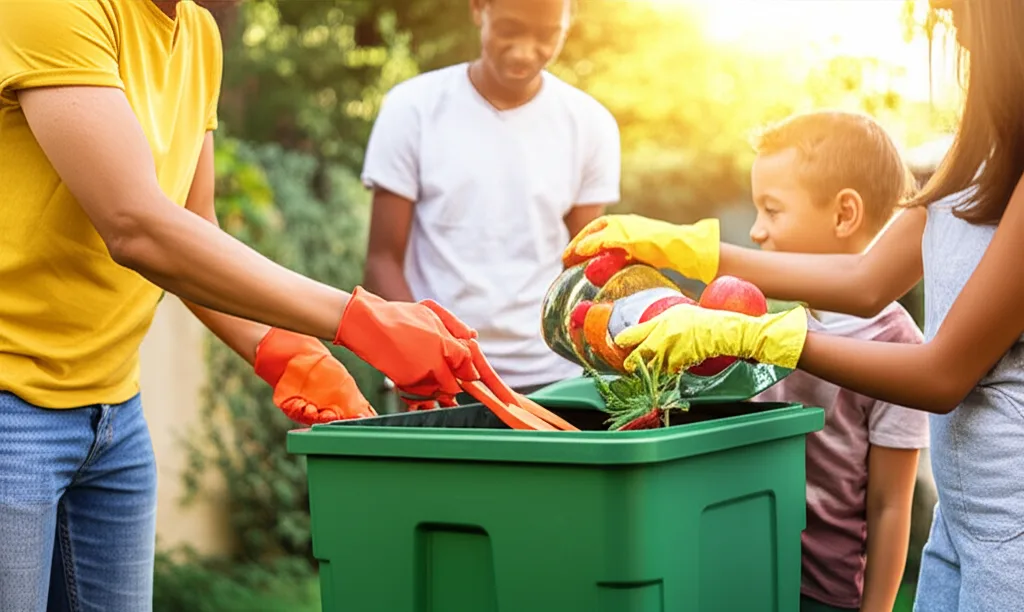
Summer – a season of vibrant growth, abundant sunshine, and for many families, a renewed focus on outdoor living and gardening. It’s also an unparalleled opportunity to supercharge your family’s composting efforts. With a bounty of garden trimmings, grass clippings, and kitchen scraps from outdoor meals, summer offers the perfect conditions to create rich, nutrient-dense compost that will transform your garden and significantly reduce household waste.
Composting is more than just a chore; it’s a living lesson in sustainability, a tangible way to connect with nature, and a powerful tool for nurturing a thriving garden. While the basics remain constant, summer brings unique challenges and incredible advantages. From managing increased "greens" to harnessing the power of the sun’s warmth, optimizing your family’s compost system for the warmer months can lead to faster decomposition, richer soil, and an even more satisfying eco-friendly lifestyle. This article will guide you through practical, family-friendly improvements to make your summer composting experience a resounding success.
Why Summer is Prime Time for Composting
The warmer months offer a dynamic environment that naturally accelerates the composting process. Understanding these factors can help you leverage them for maximum efficiency.
An Abundance of Organic Material
Summer gardens are prolific. Think about the sheer volume of organic material your family generates:
- Grass clippings: Weekly lawn maintenance provides a steady stream of nitrogen-rich "greens."
- Garden trimmings: Pruning spent flowers, vegetable plant stalks, and unruly hedges adds bulk.
- Fruit and vegetable scraps: Barbecues, picnics, and fresh produce consumption lead to more kitchen waste.
- Weeds: A necessary evil in the garden, but a valuable addition to your compost pile (provided they haven’t gone to seed, or your pile gets hot enough to sterilize them).
This surge in organic matter means your compost bin can be working overtime, turning what would be waste into a valuable resource.
The Heat Factor: Nature’s Accelerator
Warm temperatures are a compost pile’s best friend. The beneficial microbes that break down organic matter thrive in heat. In summer, your compost pile can more easily reach and maintain optimal temperatures (around 130-160°F or 55-70°C) for "hot composting," which significantly speeds up decomposition and helps kill weed seeds and pathogens. This natural acceleration means you could be harvesting finished compost much sooner than in cooler months.
Increased Family Outdoor Engagement
Summer naturally draws families outdoors, making it easier to integrate composting into daily routines. Kids are often more available and eager to help with garden tasks, turning composting into an engaging, hands-on learning experience about nature’s cycles. It’s a fantastic opportunity to teach children about waste reduction and soil health firsthand.
The Foundation: Reassessing Your Composting Setup
Before diving into the recipe, take a moment to evaluate your current composting station. A few strategic adjustments can make a world of difference.
Location, Location, Location: Shaded & Accessible
While warmth is good, direct, intense summer sun can be a double-edged sword for your compost pile. Excessive sun can dry out your pile too quickly, hindering microbial activity.
- Seek partial shade: Position your compost bin or pile in a spot that receives morning sun but is shaded during the hottest part of the afternoon. This helps maintain consistent moisture levels.
- Accessibility is key: Ensure your compost station is easily accessible from both your kitchen (for food scraps) and your garden (for trimmings and using finished compost). The easier it is to use, the more consistently your family will contribute.
- Good airflow: Make sure there’s enough space around your bin for air circulation, which is vital for aerobic decomposition and preventing odors.
Bin Type for Summer Success
Different compost bin types offer distinct advantages, especially in summer.
- Open Piles: Great for large volumes of material (like significant garden clear-outs). They breathe well but can dry out quickly in the sun and may attract pests if not managed properly. Consider covering with a tarp during dry spells.
- Compost Tumblers: Excellent for families wanting faster results and less effort. Their enclosed design retains moisture well, and turning is simple, providing crucial aeration. They are also great for pest control.
- Enclosed Bins: Often made of plastic or wood, these bins offer good insulation and moisture retention. They typically have lids for pest deterrence and can be expanded if your summer output is high.
Consider your family’s waste volume and your desired level of involvement when choosing or upgrading your bin.
Mastering the Summer Compost Recipe
The secret to great compost lies in the right ingredients and care. Summer’s bounty makes balancing these elements crucial.
The Green-Brown Balance (Summer Edition)
Compost thrives on a balanced diet of "greens" (nitrogen-rich) and "browns" (carbon-rich). The general guideline is a 25-30 parts brown to 1 part green ratio by weight, or roughly 50/50 by volume.
- Summer Greens: Grass clippings, fresh weeds, fruit and vegetable scraps, coffee grounds, and tea bags.
- The Grass Clipping Challenge: Summer often means an abundance of grass clippings. While excellent "greens," they can quickly turn into a slimy, odorous mat if added in thick layers. Always add grass clippings in thin layers (no more than an inch or two) and mix them thoroughly with "browns."
- Kitchen Scraps: Encourage the whole family to collect fruit peels, vegetable ends, and even stale bread.
- Crucial Summer Browns: Dry leaves (stockpile from fall!), shredded paper, cardboard (tear into small pieces), straw, wood chips, and small twigs.
- Stockpiling Browns: If you didn’t save enough dry leaves last fall, summer is the time to gather other browns. Ask neighbors for their leaf bags, collect sawdust (untreated wood only), or save packaging materials. Browns are essential for balancing the nitrogen overload from summer greens and preventing a smelly, soggy pile.
Hydration is Key in the Heat
Just like us, compost needs water to thrive. The microbes that do the hard work need moisture to survive and break down materials.
- Moisture Level: Your compost pile should feel like a wrung-out sponge – damp, but not dripping wet.
- Regular Watering: In hot, dry summer weather, you’ll likely need to water your compost pile regularly, especially if it’s in a sunny spot or an open pile. Use a hose with a spray nozzle or a watering can.
- Cover Up: Consider covering your open pile with a tarp or a lid to prevent it from drying out too quickly and to protect it from heavy rain (which can make it too wet).
Aeration for Accelerated Decomposition
Oxygen is vital for aerobic decomposition, which is the fast, odorless method of composting. Without enough oxygen, your pile can become anaerobic, leading to foul smells and slower decomposition.
- Turning Frequency: In summer, with higher temperatures and more activity, you can turn your compost more frequently – weekly for tumblers, and every 1-2 weeks for open piles.
- Tools: A pitchfork, compost aerator tool, or even a sturdy shovel works well.
- The "Fluff" Factor: Aim to "fluff up" your pile as you turn it, ensuring air reaches all parts. This also helps distribute moisture and new materials. Turning your pile is also a great way to involve older kids in a meaningful, active way.
Family-Friendly Composting Habits for Summer
Making composting a seamless part of family life requires a few smart habits.
Involve the Kids: Making it Fun!
Children are natural environmentalists. Leverage their curiosity and energy.
- Scrap Collection Duty: Assign a "compost collector" for the day or week, responsible for emptying the kitchen caddy into the outdoor bin.
- The "Compost Detective": Encourage them to identify different items going into the bin – "Is this a green or a brown?" "What do you think will happen to this banana peel?"
- Turning the Tumbler: Tumblers are often easy enough for supervised kids to turn, giving them a sense of accomplishment.
- Worm Watching: If you have a worm bin (vermicomposting), observing the worms at work is endlessly fascinating for children.
Smart Scrap Collection
To keep your kitchen tidy and odor-free, especially in summer:
- Kitchen Caddy: Use a small, lidded countertop bin for daily kitchen scraps. Choose one with a charcoal filter if odors are a concern.
- Empty Frequently: In warmer weather, empty the caddy into your main compost bin daily or every other day to prevent fruit flies and smells.
- Designated Outdoor Spot: Have a clear, easily accessible outdoor spot for the kitchen caddy, minimizing trips across the yard.
Dealing with Summer Specifics
Summer can bring unique challenges, but they are easily managed.
- Pest Prevention: Bury fresh food scraps deep within the pile, especially if you have an open bin. Secure lids on tumblers and enclosed bins. Avoid adding meat, dairy, oily foods, or pet waste, which attract pests and can introduce pathogens.
- Odor Control: A well-managed compost pile should smell earthy, not foul. If you detect odors, it’s usually a sign of too much nitrogen (too many greens), not enough oxygen (needs turning), or too much moisture. Add more browns, turn the pile, and check moisture levels.
- Weed Seeds: While hot composting can kill weed seeds, if your pile isn’t consistently hot, avoid adding weeds that have gone to seed. Instead, solarize them (bag them in clear plastic in the sun) or discard them.
Beyond the Bin: Using Your Summer Compost
The ultimate reward for your family’s composting efforts is the rich, dark, crumbly "black gold" it produces.
- Signs of Readiness: Finished compost is dark brown, has an earthy smell, and individual components are no longer recognizable. It’s cool to the touch.
- How to Use It:
- Top Dressing: Spread a layer around existing plants to provide a slow-release nutrient boost and improve soil structure.
- Soil Amendment: Mix into garden beds before planting fall vegetables or preparing for next spring’s flowers.
- Potting Mix: Combine with soil and perlite for an excellent homemade potting mix.
- Timing: Summer composting can produce finished compost quickly, allowing you to enrich your garden for late-summer plantings, prepare beds for fall crops, or simply give a boost to plants that are still producing.
Conclusion: Cultivating a Sustainable Summer
Summer is a season of vitality, and it’s the perfect time to infuse that energy into your family’s composting routine. By understanding the unique dynamics of warmer weather – from abundant "greens" to accelerated decomposition – you can optimize your system for maximum efficiency and impact.
Improving your composting setup, mastering the green-brown balance, ensuring proper hydration and aeration, and involving your family in the process are all steps towards creating a more sustainable home and a healthier garden. It’s a hands-on way to teach responsibility, reduce waste, and cultivate a deeper connection with the natural world. So, embrace the summer sun, roll up your sleeves, and watch your family’s composting efforts flourish, turning everyday waste into a valuable resource for a greener future.
