
 By rifan muazin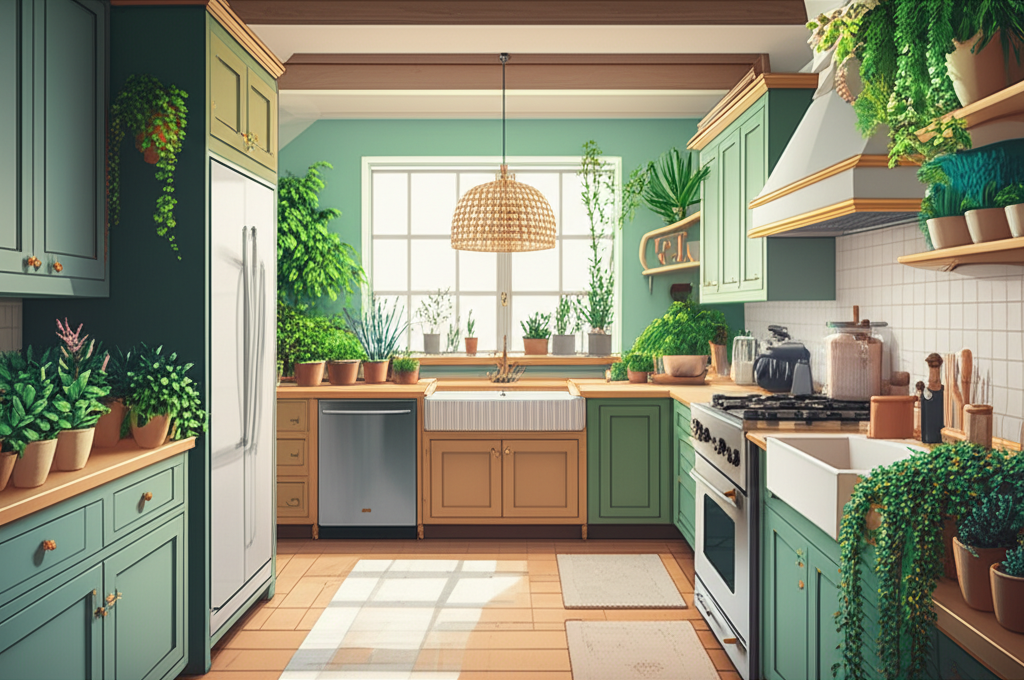
Attic kitchens possess a unique charm. Nestled under sloped ceilings, often bathed in light from quirky dormer windows or dramatic skylights, they offer a cozy, often architectural, space that feels distinct from the rest of the home. However, these very features—the varying light, the temperature fluctuations, and the sometimes-limited space—can make choosing the right houseplants feel like a puzzle. But don’t let the quirks deter you! With a thoughtful approach, you can transform your attic kitchen into a vibrant, oxygen-rich sanctuary.
Imagine fresh herbs at your fingertips while cooking, or lush greenery softening the angular lines of a sloped ceiling. Houseplants are not just decorative; they purify the air, boost mood, and add an undeniable touch of warmth and life to any interior. For the unique environment of an attic kitchen, selecting the right botanical companions is key to a thriving green haven. This in-depth guide will walk you through everything you need to know, from understanding your space to picking the perfect plants and keeping them flourishing.
The Unique Ecosystem of Your Attic Kitchen
Before you bring home a single plant, it’s crucial to understand the specific conditions that define your attic kitchen. This isn’t your average ground-floor space, and its distinctive characteristics will dictate which plants will truly thrive.
Light Dynamics: Skylights, Dormers, and Eaves
Light is arguably the most critical factor for plant health. Attic kitchens can present a fascinating array of light scenarios. A large skylight might flood one area with intense, direct sunlight, while a north-facing dormer offers gentle, indirect light. Sloped ceilings can create deep pockets of shade near the floor, even when the upper reaches are bright.
- Direct Sun: Areas receiving unfiltered sunlight for several hours, often from south- or west-facing skylights.
- Bright Indirect Light: Brightly lit areas, but without direct sunbeams hitting the plants, common near north or east-facing windows, or slightly away from direct sun.
- Medium to Low Light: Shadier corners, under eaves, or areas far from windows.
Spend a few days observing how the light shifts throughout your kitchen at different times of the day and year. This will be your most valuable preparation.
Temperature Fluctuations: The Attic’s Rollercoaster
Heat rises, and attics can experience more dramatic temperature swings than lower floors. Summers can be intensely hot, especially near skylights, while winters can bring chillier drafts or rapidly dropping temperatures if insulation isn’t perfect. These fluctuations can stress plants significantly. Consider proximity to heat sources like ovens or stovetops, which create localized hot zones, and also cold drafts from windows.
Humidity Levels: Kitchen Steam vs. Attic Dryness
Kitchens, by their nature, often have higher humidity dueor to cooking, boiling water, and dishwashing. This can be a boon for many houseplants. However, the overall attic environment, especially during drier seasons or with good ventilation, can be quite arid. Balancing these two extremes for your plants is important.
Space Constraints and Quirky Corners
Sloped ceilings, exposed beams, and limited counter space are common in attic kitchens. This calls for creative placement and careful plant selection. Tall, sprawling plants might not fit, while compact or trailing varieties could be ideal for shelves, hanging baskets, or narrow ledges.
Flourishing Foliage: Our Top Houseplant Recommendations
Now that you understand your attic kitchen’s unique environment, let’s explore some fantastic plant options perfectly suited for these charming spaces.
Low-Light Champions for Shady Nooks
Even if your attic kitchen has a few dimmer corners, you can still bring in vibrant life. These plants are incredibly resilient and perfect for those less-than-sunny spots.
- Snake Plant (Sansevieria trifasciata): The ultimate survivor! Snake plants tolerate low light, infrequent watering, and purify the air. Their upright, architectural leaves fit beautifully in narrow spaces or on high shelves where light might be scarce. They come in various sizes, making them versatile.
- ZZ Plant (Zamioculcas zamiifolia): Another incredibly low-maintenance choice, the ZZ plant thrives on neglect. Its glossy, dark green leaves add a sophisticated touch, and it can handle very low light conditions, making it perfect for a forgotten corner or a deep shelf.
- Pothos (Epipremnum aureum): Known for its cascading vines, Pothos is incredibly adaptable to various light conditions, including lower light. It’s a fantastic choice for hanging baskets, shelves where its vines can trail, or even as a small potted plant on a windowsill. Its ability to tolerate occasional neglect makes it a kitchen favorite.
- Cast Iron Plant (Aspidistra elatior): As its name suggests, this plant is tough. It boasts deep green, leathery leaves and can withstand extremely low light, infrequent watering, and a range of temperatures. It’s a stoic and elegant addition to any challenging spot.
Bright Indirect Light Beauties for Skylight Spots
If your attic kitchen is blessed with ample bright, indirect light – perhaps from a north-facing skylight or an area just out of direct sun – you have a wider array of stunning options.
- Spider Plant (Chlorophytum comosum): A classic for a reason! Spider plants are easy to care for, produce charming "spiderettes" (baby plants) that dangle, and are excellent air purifiers. They love bright, indirect light and are perfect for hanging baskets or elevated shelves where their babies can trail.
- Peace Lily (Spathiphyllum): With its elegant white "blooms" and lush green foliage, the Peace Lily is a beautiful addition that also excels at air purification. It thrives in bright indirect light and will tell you when it’s thirsty by drooping its leaves dramatically.
- Monstera Deliciosa (Swiss Cheese Plant): If you have a bit more space, a Monstera makes a stunning statement. Its iconic split leaves add a tropical, architectural element. While it prefers bright indirect light, it can tolerate medium light. Just remember it can grow quite large, so plan its placement carefully.
- Fiddle Leaf Fig (Ficus lyrata): For those with a consistently bright spot and a desire for a showstopper, the Fiddle Leaf Fig offers dramatic, large, violin-shaped leaves. They can be a bit finicky, requiring stable conditions, but if you have a perfect, bright, draft-free spot, it’s worth the effort for its sculptural beauty.
Herbaceous Helpers for Sunny Windowsills
What’s a kitchen without fresh herbs? If you have a sunny windowsill or a spot bathed in direct light, you can cultivate your own culinary garden.
- Basil: Loves warmth and sun, providing aromatic leaves for Italian dishes. Needs consistent watering.
- Mint: Hardy and vigorous, mint varieties like peppermint or spearmint thrive in sunny spots and offer refreshing flavors for drinks and desserts. Keep it in its own pot, as it can be quite invasive.
- Rosemary: A woody herb that enjoys plenty of sun and good air circulation. Perfect for roasted meats and potatoes.
- Chives: Easy to grow, offering a mild oniony flavor. They appreciate bright light and regular watering.
- Aloe Vera: More than just an herb, Aloe is a succulent that loves bright, direct sun. It’s incredibly low maintenance and handy for minor burns – a perfect kitchen companion.
Trailing & Hanging Wonders for Vertical Appeal
Sloped ceilings and beams offer fantastic opportunities to utilize vertical space. Hanging plants can soften angles, draw the eye upward, and create a lush canopy effect.
- English Ivy (Hedera helix): A classic trailing plant with various leaf shapes and variegations. It looks stunning cascading from a shelf or hanging basket. Ensure good air circulation to prevent spider mites.
- String of Pearls / String of Hearts (Senecio rowleyanus / Ceropegia woodii): These delicate succulents offer unique visual texture. String of Pearls has bead-like foliage, while String of Hearts features small, heart-shaped leaves. Both are perfect for high shelves or hanging baskets where their strands can gracefully cascade. They need bright light and infrequent watering.
- Philodendron (various types): Heartleaf Philodendron and Philodendron ‘Brasil’ are incredibly easy-care vining plants that tolerate a range of light conditions. Their lush foliage makes them excellent for hanging or letting them trail across shelves.
Strategic Placement & TLC for Thriving Plants
Choosing the right plants is half the battle; the other half is understanding how to place and care for them in your attic kitchen’s unique environment.
Finding the Perfect Spot: More Than Just Light
While light is paramount, consider these additional factors for placement:
- Air Circulation: Avoid placing plants directly in the path of cold drafts from windows or hot, dry air from heating vents. Good overall air circulation is beneficial, but extreme drafts are not.
- Proximity to Heat Sources: Keep plants away from the direct heat of ovens, stovetops, or toasters. The fluctuating heat can quickly dehydrate them.
- Utilize Vertical Space: Embrace hanging baskets from beams or ceiling hooks. Install narrow shelves on walls that don’t have sloped ceilings. Tiered plant stands can create a green corner without taking up much floor space.
- Elevate: If light is better higher up, use plant stands or inverted pots to elevate smaller plants closer to the light source.
Watering Wisdom for Attic Environments
Attic temperatures can influence watering needs. Plants might dry out faster in hot summers and require less water in cooler winters.
- "Feel the Soil" Method: The golden rule is to check the soil moisture with your finger. Water only when the top inch or two of soil feels dry.
- Good Drainage is Paramount: Always use pots with drainage holes and a well-draining potting mix. Never let plants sit in standing water, as this leads to root rot.
- Adjust for Humidity: If your kitchen experiences high humidity from cooking, some plants might need less frequent watering. Conversely, if your attic is very dry, you might need to water more often.
Humidity Hacks & Temperature Management
Combatting the attic’s potential dryness or extreme temperatures requires a few tricks.
- Misting: Many tropical plants appreciate a regular misting with water, especially in dry conditions. Do this in the morning so leaves can dry before evening.
- Pebble Trays: Place a tray filled with pebbles and a shallow layer of water beneath your pots. As the water evaporates, it creates a localized humid microclimate around the plant. Ensure the pot isn’t sitting directly in the water.
- Group Plants: Placing plants together can slightly increase the humidity in their immediate vicinity.
- Monitor Extremes: During peak summer or winter, be mindful of extreme temperatures near windows or skylights. Move sensitive plants to a more stable location if temperatures become too harsh.
Feeding, Pruning, and Pest Patrol
A little routine maintenance goes a long way.
- Feeding: Most houseplants benefit from a diluted liquid fertilizer during their active growing season (spring and summer). Always follow package directions; it’s better to under-fertilize than over-fertilize.
- Pruning: Trim yellowing leaves, leggy stems, or simply prune to maintain shape and size, especially important in smaller attic spaces.
- Pest Patrol: Kitchen environments can sometimes attract pests. Regularly inspect your plants for signs of trouble (sticky residue, tiny bugs, discolored leaves). Early detection makes treatment much easier.
Elevating Your Attic Kitchen Aesthetics with Greenery
Plants aren’t just about survival; they’re about design. In an attic kitchen, they can play a crucial role in enhancing the space’s unique beauty.
Maximizing Limited Space with Style
- Go Vertical: As mentioned, hanging baskets are your best friend. Consider mounting small, narrow shelves in unused wall spaces or on the side of cabinets for smaller plants or herbs.
- Slim & Tall: For floor space, opt for tall, slender plants like a Snake Plant in an elegant pot to draw the eye upwards without occupying too much horizontal room.
- Cohesive Containers: Choose pots that complement your kitchen’s existing decor. Ceramic, terracotta, metal, or woven baskets can all enhance the aesthetic. Matching a few pots can create a sense of cohesion.
Creating Zones and Visual Interest
- Define Spaces: Use plants to subtly define different areas within your open-plan attic kitchen – a small grouping of herbs might designate the cooking zone, while a larger, leafy plant could anchor a dining nook.
- Pops of Color and Texture: Beyond green, consider plants with variegated leaves (like a colorful Pothos ‘Marble Queen’) or flowering plants (like a Peace Lily) to add bursts of color. Mix leaf shapes and textures for dynamic interest.
- Soften Angles: The architectural lines of an attic can sometimes feel stark. Trailing plants or plants with soft, rounded foliage can help soften these angles and create a more inviting atmosphere.
Conclusion
Your attic kitchen, with its distinctive charm and challenges, is ripe with potential for becoming a verdant oasis. By understanding its unique light, temperature, and space dynamics, you can select the perfect houseplants that will not only survive but truly thrive. From resilient low-light heroes to sun-loving culinary companions and graceful trailing beauties, there’s a plant for every nook and cranny.
Embrace the journey of greening your attic kitchen. With thoughtful placement, consistent care, and a little bit of love, you’ll soon enjoy a space that’s not only functional but also visually stunning, filled with fresh air, and brimming with natural life. So, go ahead – unleash your inner botanist and transform your unique kitchen into the vibrant heart of your home!
