
 By rifan muazin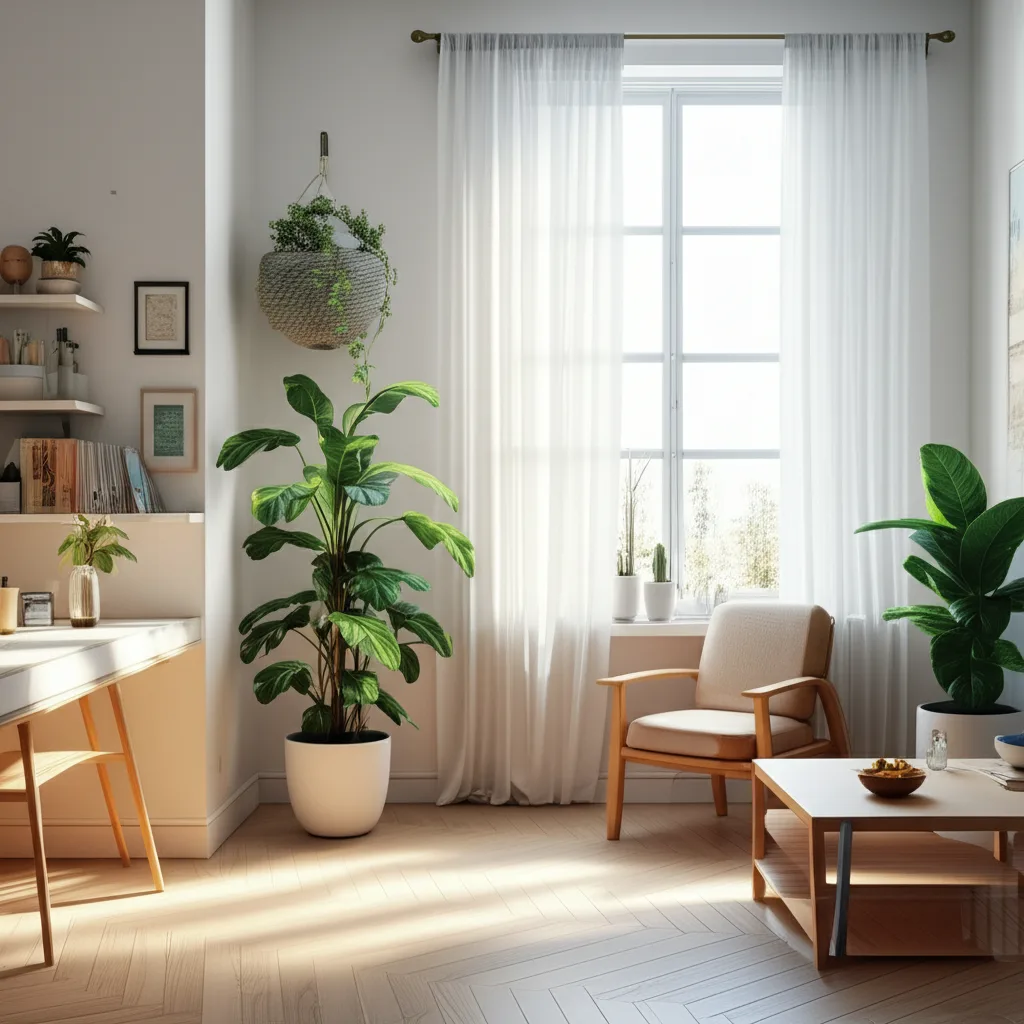
Living in a studio apartment offers a unique charm – efficiency, coziness, and often a prime location. But this compact lifestyle also means that everything within your four walls has a more significant impact on your indoor environment. That includes the air you breathe. If you’ve ever felt a little stuffy, experienced unexplained headaches, or simply want to create a healthier sanctuary, it’s time to talk about VOCs: Volatile Organic Compounds.
For beginners venturing into the world of healthier living in a small space, the idea of "low-VOC" can seem daunting. Where do you even begin? This in-depth guide is your friendly, practical roadmap to transforming your studio into a fresh, low-VOC haven without overwhelming you. We’ll break down exactly what VOCs are, where they hide, and most importantly, how to systematically reduce them, one smart choice at a time. Get ready to breathe easier and truly love your studio sanctuary!
Understanding the Invisible Invaders: What are VOCs?
Before we dive into solutions, let’s get a clear picture of the challenge. Volatile Organic Compounds (VOCs) are a group of chemicals that become gases at room temperature. They are emitted from a wide array of everyday products and materials, both manufactured and natural. Think of that "new car smell" or the scent of fresh paint – those are VOCs at work.
While some VOCs are harmless, many are not. Common culprits found in homes include formaldehyde, benzene, toluene, and xylene. These can emanate from paints, varnishes, cleaning supplies, air fresheners, furniture, flooring, and even certain personal care products.
Why are VOCs a bigger deal in a studio apartment?
It boils down to simple physics: less space, less air volume, and often less ventilation. In a larger home, VOCs might dissipate more easily, or you might have more rooms to escape to. In a studio, these compounds become concentrated in your living, sleeping, and cooking areas, creating a higher exposure risk. This can lead to various health effects, from short-term irritations like eye, nose, and throat discomfort, headaches, dizziness, and nausea, to more serious long-term issues like liver and kidney damage, or even an increased risk of cancer with prolonged exposure to high levels.
The Foundation First: Low-VOC Building Blocks
When you’re setting up or refreshing your studio, focusing on the foundational elements first can make a massive difference. These are the larger items and materials that have a prolonged impact on your indoor air quality.
Painting Your Palette Green
One of the biggest sources of VOCs in any home, especially when fresh, is paint. Traditional paints can off-gas for months or even years.
- Look for "Zero-VOC" or "Low-VOC" Labels: This is your golden rule. Many reputable paint brands now offer lines specifically formulated to contain minimal or no VOCs. Don’t just grab the first can; read the label carefully.
- Primer Matters Too: Remember that primers also contribute to VOC levels. Ensure you choose a low-VOC primer to match your low-VOC paint.
- Water-Based is Best: Generally, water-based acrylic latex paints are a better choice than oil-based paints for lower VOCs.
- Ventilation is Key During and After: Even with low-VOC paints, it’s wise to ventilate your studio thoroughly during painting and for several days afterward. Open windows, use fans, and if possible, avoid sleeping in the freshly painted space for the first 24-48 hours. The paint needs time to "cure" and release any residual compounds.
Flooring Choices that Don’t Off-Gas
Flooring is another significant surface area that can impact your air quality. Traditional vinyl flooring (PVC) can be a major source of phthalates and other VOCs.
- Avoid Problematic Materials: Steer clear of traditional vinyl (PVC) and some synthetic carpets without proper certification.
- Better Options for Studios:
- Solid Hardwood: Unfinished hardwood with a low-VOC finish applied on-site, or pre-finished hardwood with a certified low-VOC factory finish.
- Cork: A renewable resource that’s naturally antimicrobial and insulative. Ensure it’s installed with low-VOC adhesives and finishes.
- Natural Linoleum: Made from linseed oil, wood flour, and natural resins, it’s a durable and eco-friendly choice.
- Ceramic or Porcelain Tile: Virtually VOC-free, but remember to use low-VOC grout and adhesives.
- Low-VOC Carpets: If you prefer carpet, look for options certified by the Carpet and Rug Institute’s (CRI) Green Label Plus program, which indicates low emissions.
- Adhesives and Underlayment: Don’t forget that the glues and padding used during installation can also contain VOCs. Always specify low-VOC adhesives and underlayment.
Furniture: Smart Buys for Small Spaces
Furniture, especially pieces made from composite wood products, can off-gas formaldehyde and other VOCs. In a studio, every piece counts!
- Prioritize Solid Wood: Whenever possible, choose solid wood furniture over items made from particleboard, MDF (medium-density fiberboard), or plywood. If you must use composite wood, look for products that are explicitly labeled as "formaldehyde-free" or made with NAUF (no added urea formaldehyde) glues.
- Look for Certifications: Organizations like GREENGUARD or SCS Global Services certify furniture for low chemical emissions. This is a strong indicator of a healthier choice.
- Natural Fabrics: Opt for upholstery made from natural fibers like organic cotton, linen, wool, or hemp instead of synthetic blends, which can be treated with flame retardants and stain repellents that contain VOCs.
- "Off-Gassing" New Furniture: New furniture, even low-VOC options, benefits from an initial "off-gassing" period. If possible, unwrap new pieces and let them air out in a well-ventilated area (perhaps on a balcony or with windows wide open) for a few days before bringing them fully into your main living space.
Everyday Essentials: Low-VOC Living in Your Studio
Once the foundational elements are addressed, the next step is to tackle the everyday items and habits that contribute to your studio’s air quality. These are often the easiest and most cost-effective changes to make.
Cleaning Up Your Act, Safely
Many conventional cleaning products are packed with VOCs, artificial fragrances, and harsh chemicals that linger in the air.
- Identify Common Culprits: Ammonia, bleach, phthalates (often in "fragrance"), and glycol ethers are common in multi-surface cleaners, glass cleaners, and toilet bowl cleaners.
- Embrace DIY Alternatives: You can achieve a sparkling clean studio with simple, natural ingredients:
- White Vinegar: Excellent for disinfecting, cutting grease, and removing mineral deposits. Use diluted with water.
- Baking Soda: A gentle abrasive, deodorizer, and stain remover.
- Lemon Juice: A natural bleach and powerful degreaser, leaving a fresh scent.
- Castile Soap: A versatile, concentrated vegetable-based soap for general cleaning.
- Choose Store-Bought Wisely: If DIY isn’t your style, look for cleaning products specifically labeled "low-VOC," "fragrance-free," "non-toxic," or "plant-based." Companies committed to green cleaning will often list their ingredients transparently.
- Ventilate During Cleaning: Even with natural cleaners, it’s a good habit to open a window or run your bathroom fan while cleaning to ensure fresh air circulation.
Ditching the Synthetic Scents
Those plug-ins, spray air fresheners, and scented candles might make your studio smell "fresh," but they are often major sources of VOCs, including phthalates and formaldehyde, which merely mask odors instead of eliminating them.
- Address the Source: The best way to have a fresh-smelling studio is to identify and remove the source of any odors. This means regular cleaning, emptying trash cans, and proper ventilation.
- Natural Alternatives for Scent:
- Open Windows: The simplest and most effective air freshener!
- Essential Oil Diffusers: Use pure essential oils (like lemon, lavender, peppermint) in a water-based diffuser. Avoid synthetic "fragrance oils."
- Fresh Flowers or Herbs: A beautiful and natural way to add a subtle scent.
- Baking Soda: A bowl of baking soda can absorb odors in your fridge or living area.
- Simmer Pots: A pot of water simmering on the stove with citrus peels, cinnamon sticks, or cloves can create a lovely aroma.
Personal Care Products: A Quick Glance
While the primary focus of a low-VOC home checklist is on building materials and cleaning, it’s worth noting that some personal care products like hairsprays, nail polishes, perfumes, and even certain lotions can release VOCs into the air. Opting for "fragrance-free" or natural alternatives where possible can further reduce your overall chemical exposure in a small space.
Airing It Out: Ventilation and Purification Strategies
No matter how many low-VOC choices you make, proper ventilation and, if necessary, air purification are critical for maintaining excellent indoor air quality in a studio apartment.
The Power of Fresh Air
Ventilation is your first line of defense against stagnant air and accumulated VOCs.
- Regular Cross-Ventilation: Even for 5-10 minutes a day, opening a window on opposite sides of your studio (if possible) or using a fan to create a cross-breeze can significantly refresh your air. Do this in the morning and evening.
- Utilize Exhaust Fans: Always use your bathroom fan during and after showers to remove moisture and any lingering VOCs from personal care products. Use your kitchen range hood when cooking to vent cooking fumes and potential combustion byproducts.
- Ventilate During High-Emission Activities: Whenever you’re cleaning, doing laundry (especially if you use scented detergents), or bringing in new items, maximize ventilation.
The Role of Air Purifiers
While ventilation is paramount, an air purifier can be a valuable tool, especially if you live in an urban area with outdoor air quality concerns or if you have specific sensitivities.
- HEPA Filters for Particulates: A High-Efficiency Particulate Air (HEPA) filter will capture dust, pollen, pet dander, and other allergens, which is beneficial for overall respiratory health.
- Activated Carbon Filters for VOCs: Crucially, for VOCs, you need an air purifier with a robust activated carbon filter. Carbon is excellent at adsorbing gaseous pollutants. Look for models that explicitly state their effectiveness against VOCs and formaldehyde.
- Sizing for Your Studio: Ensure the purifier’s CADR (Clean Air Delivery Rate) is appropriate for the square footage of your studio. You want it to be able to cycle the air multiple times an hour.
- Strategic Placement: Place your air purifier in the main living area where you spend the most time, ensuring it has clear airflow around it.
Green Companions: Plants for Air Quality (with a caveat)
While many plants are beautiful and can subtly contribute to a healthier environment, it’s important to manage expectations. While certain plants like snake plants, spider plants, and peace lilies are known to filter some airborne toxins, their impact on overall VOC levels in a studio apartment is relatively minor compared to proper ventilation and dedicated air purifiers. Think of them as a lovely bonus, not a primary solution.
Your Step-by-Step Low-VOC Studio Transformation Plan
Feeling ready to make a change? Here’s a practical, step-by-step approach to implementing your low-VOC studio transformation:
- Start with the Biggest Impact (and New Purchases): If you’re painting or buying new furniture/flooring, prioritize low-VOC options from the outset. This prevents future problems.
- Audit Your Cleaning Supplies: Go through your cleaning cabinet. Replace conventional cleaners with natural DIY alternatives or certified low-VOC products as they run out. Don’t feel pressured to toss everything at once.
- Ditch the Synthetic Scents: This is a quick win! Remove all synthetic air fresheners, plug-ins, and heavily scented candles. Replace them with essential oil diffusers or natural methods.
- Embrace Daily Ventilation: Make opening your windows and using exhaust fans a daily habit. Even 5-10 minutes can make a noticeable difference.
- Read Labels Diligently: Get into the habit of checking labels for products you bring into your home – from craft supplies to cosmetics. Look for "low-VOC," "fragrance-free," "non-toxic," or relevant certifications.
- Consider an Air Purifier: If your budget allows and you feel it’s needed after implementing other changes, invest in a quality air purifier with both HEPA and activated carbon filters.
- Progress, Not Perfection: Don’t aim for an overnight overhaul. This is a journey. Each low-VOC choice you make is a step towards a healthier home. Celebrate your progress!
Conclusion: Your Studio Sanctuary Awaits
Creating a low-VOC environment in your studio apartment isn’t about sacrificing style or convenience; it’s about making informed choices that profoundly impact your health and well-being. By understanding where VOCs come from and adopting practical, beginner-friendly strategies – from selecting healthier paints and furniture to choosing natural cleaning solutions and embracing regular ventilation – you can significantly reduce your exposure to these invisible invaders.
Your studio is more than just a place to live; it’s your personal sanctuary, your workspace, and your retreat. By prioritizing low-VOC living, you’re investing in cleaner air, better health, and a more comfortable, refreshing space to thrive. Take the first step today – your lungs (and your peace of mind) will thank you.
