
 By rifan muazin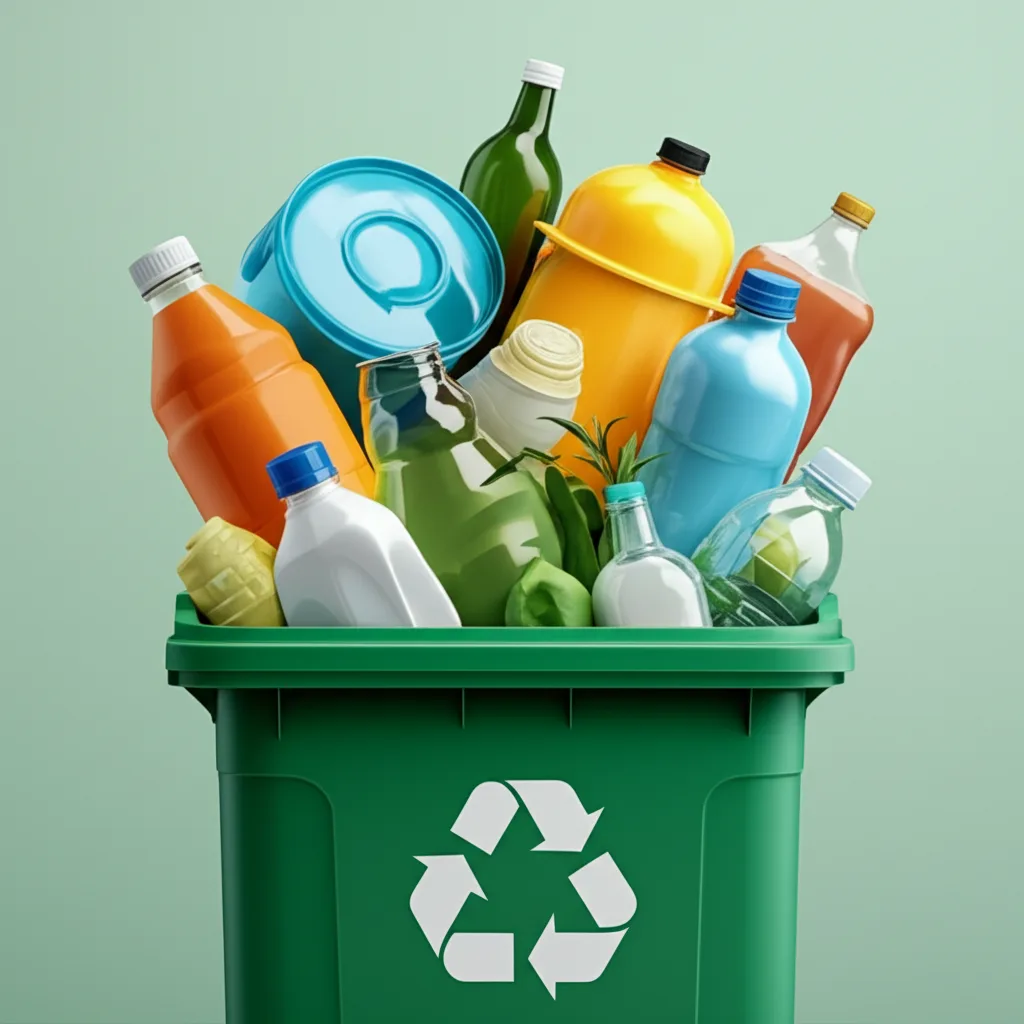
In an era where environmental consciousness is no longer a niche interest but a global imperative, the simple act of recycling has taken on profound significance. It’s a tangible way each of us can contribute to a healthier planet, reducing landfill waste, conserving natural resources, and mitigating climate change. But let’s be honest: "just recycling" can sometimes feel overwhelming. Is this plastic bottle really recyclable? What do I do with old electronics? And how do I keep up with it all, especially when life gets busy or seasons change?
The good news is that smart recycling isn’t about perfection; it’s about practical, year-round strategies that seamlessly integrate into your daily life. It’s about moving beyond the basic blue bin and embracing a holistic approach to waste reduction. This in-depth guide will equip you with clever hacks and actionable advice to transform your home into a sustainable powerhouse, making eco-friendly living not just a chore, but a satisfying and effortless habit. Get ready to elevate your eco-game, one smart recycling hack at a time!
Laying the Groundwork: Your Home Recycling Hub
Before diving into seasonal specifics, establishing a robust and efficient recycling system at home is crucial. Think of it as the command center for your waste management efforts.
The Right Bins for the Job: Size, Location, and Labeling
One of the biggest hurdles to effective recycling is convenience. If it’s not easy, it won’t happen consistently.
- Multi-Compartment Magic: Invest in a multi-compartment recycling bin for your kitchen. These units, often designed to fit neatly under a counter, allow you to separate paper, plastic, and glass right at the source. This eliminates the "one big bin" confusion and the subsequent sorting chore.
- Strategic Placement: Don’t limit recycling to the kitchen. Place smaller, clearly labeled bins in other high-waste areas: a paper bin in your home office, a plastic bottle bin in the bathroom, and even a small compost pail next to your sink.
- Crystal Clear Labeling: Visual cues are powerful. Use clear, concise labels (e.g., "Mixed Paper," "Plastics #1-7," "Glass Bottles Only") or even color-coded bins to make it foolproof for every member of your household, including guests.
Know Your Local Rules: The First Commandment of Recycling
Recycling guidelines vary significantly from one municipality to another. What’s accepted in one town might be considered a contaminant in the next. "Wishcycling" – tossing something in the bin hoping it’s recyclable – can do more harm than good, contaminating entire batches of otherwise good recyclables.
- Your Local Authority is Key: Visit your city or county waste management website. They usually have comprehensive guides detailing what materials they accept, specific preparation requirements, and often a searchable tool for "what goes where."
- Common Contaminants: Be aware of common non-recyclables that often sneak into bins: plastic bags (take them to store drop-offs!), food-soiled pizza boxes (unless specified otherwise), styrofoam, ceramics, and electronics.
Rinse and Repeat (Literally!): Prepping Your Recyclables
Proper preparation is vital for ensuring your recyclables can actually be processed.
- Cleanliness Counts: Food residue is a major contaminant. Quickly rinse out plastic containers, glass jars, and aluminum cans. You don’t need them spotless, just free of significant food particles.
- Caps and Lids: Check your local guidelines. Some facilities want plastic caps removed, while others prefer them left on. Metal lids from glass jars are often recyclable separately as scrap metal.
- Flatten and Condense: Flatten cardboard boxes and plastic bottles to save space in your bins and the collection truck. This also reduces collection frequency and fuel consumption.
Seasonal Smart Recycling Hacks
Recycling isn’t a static activity; it evolves with the seasons and our lifestyles. Tailoring your approach can make a huge difference.
Spring Cleaning & Summer Living: Fresh Starts and Outdoor Fun
Spring cleaning and summer activities generate unique types of waste.
Decluttering with a Conscience: Beyond the Bin
As you clear out clutter, remember that "recycling" isn’t just about curbside collection.
- Donate, Don’t Discard: Clothes, furniture, books, and household items in good condition should always be donated to charities or thrift stores. Look for local consignment shops or online marketplaces for items with higher value.
- E-Waste Events: Old electronics (laptops, phones, TVs) contain hazardous materials and valuable components. Look for special e-waste recycling events in your community or authorized drop-off points. Many electronics retailers also offer take-back programs.
- Hazardous Waste Disposal: Paints, chemicals, batteries, and fluorescent bulbs require special handling. Your municipality likely has designated hazardous waste collection days or permanent facilities. Never pour chemicals down the drain or throw them in regular trash.
Green Grilling & Garden Goodness: Outdoor Waste Wisdom
Summer brings barbecues and garden projects.
- Compost Your Cookout: Leftover fruit and vegetable scraps, coffee grounds, and even paper napkins (if not greasy) can go into a backyard compost pile.
- Beverage Container Bonanza: Parties mean more bottles and cans. Set up clearly marked recycling bins right next to the trash to encourage proper disposal from guests.
- Garden Waste: Grass clippings, leaves, and small branches are perfect for composting or mulching. Many communities offer yard waste collection programs.
Autumn & Winter: Holiday Cheer and Cozy Conservation
The colder months bring festive occasions and often, a surge in waste.
Festive Feasting & Packaging Prowess: Navigating Holiday Waste
The holidays are notoriously wasteful. With a little planning, you can significantly reduce your impact.
- Gift Wrap Wisdom: Opt for reusable gift bags, fabric wraps, or recyclable paper. Avoid foil-lined or heavily glittered wrapping paper, as these are generally not recyclable. Remove all ribbons, bows, and tape before recycling paper.
- Food Waste Feats: Plan holiday meals carefully to minimize leftovers. Compost fruit and vegetable peels, plate scrapings, and even turkey bones (in some systems). Consider making stock from bones and veggie scraps.
- Seasonal Decorations: Old Christmas lights can often be recycled at hardware stores or through special municipal programs. Artificial trees might be accepted at specific facilities, but natural trees are usually compostable or chipped after the holidays.
E-Waste & Battery Bliss: Winter Tech Upgrades
Holiday gifts often include new gadgets, leading to old ones being discarded.
- Plan for Old Tech: If you’re getting a new phone or laptop, research how to properly recycle your old one before the new one arrives. Data wiping services are often available through recycling centers or retailers.
- Battery Bonanza: Batteries of all kinds (AA, AAA, button cells, rechargeable) should never go into regular trash or recycling bins. They contain hazardous chemicals. Look for battery recycling collection points at stores, libraries, or municipal facilities.
Beyond the Bin: Advanced Recycling & Waste Reduction Strategies
True smart recycling goes beyond simply sorting what you’ve already bought. It involves conscious choices that reduce waste from the outset.
Elevating Your Eco-Game: Reduce, Reuse, Then Recycle
The mantra "Reduce, Reuse, Recycle" isn’t just a catchy phrase; it’s a hierarchy. Recycling is the last resort.
The Power of Pre-Cycling: Shopping Smarter
- Bulk Buying Brilliance: Purchase items like grains, nuts, and cleaning supplies in bulk using your own reusable containers. This drastically cuts down on single-use packaging.
- Mindful Packaging: When you do buy packaged goods, choose items with minimal or easily recyclable packaging (e.g., glass, aluminum, cardboard over multi-layer plastics).
- Reusable Everything: Carry reusable shopping bags, produce bags, coffee cups, and water bottles. It sounds simple, but the cumulative impact is enormous.
Upcycling & Repurposing: Giving Items a Second Life
Before tossing something, consider if it can be given a new purpose.
- Glass Jar Glamour: Old jam jars become stylish storage for pantry staples, craft supplies, or even drinking glasses.
- Textile Transformations: Old t-shirts can be cut into cleaning rags. Denim can be repurposed into bags or even insulation.
- Pallet Projects: Reclaimed wooden pallets can become anything from garden planters to coffee tables.
Composting: The Ultimate Organic Recycling Hack
Composting is nature’s recycling program, turning organic waste into nutrient-rich soil.
- Kitchen to Garden: Start a small indoor compost bin for fruit and vegetable scraps, coffee grounds, and eggshells. Transfer it to an outdoor compost pile or worm farm.
- Benefits Abound: Composting reduces landfill waste, enriches your garden soil, and lessens the need for chemical fertilizers.
Tackling Tricky Items: Specialty Recycling Streams
Some items require specific collection methods.
- Plastic Bags & Film: Most curbside programs don’t accept plastic bags, wraps, or films (they jam machinery). Collect them and drop them off at designated bins found at most major grocery stores.
- Styrofoam: Polystyrene foam (Styrofoam) is rarely accepted curbside. Look for specialty recyclers in your area, particularly for packing peanuts or large foam blocks.
- Textiles: Beyond donating, torn or worn-out clothes, towels, and bedding can often be recycled at textile recycling centers, which turn them into insulation or wiping cloths.
- Ink Cartridges: Many office supply stores offer recycling programs for used printer ink cartridges.
Cultivating a Culture of Conscious Consumption
Making smart recycling a year-round habit isn’t just about systems; it’s about mindset and consistent effort.
Educate and Engage Your Household
Sustainability is a team sport.
- Lead by Example: Your actions speak volumes.
- Involve Everyone: Teach children about recycling rules and the importance of their choices. Make it a game!
- Clear Communication: Hold family meetings to discuss new recycling rules or challenges. Post a clear guide near your recycling bins.
Stay Informed and Adapt
Recycling technology and local guidelines can change.
- Regular Check-ins: Periodically review your municipal recycling website for updates.
- Community Resources: Subscribe to local waste management newsletters or follow their social media for timely information on special collection events or program changes.
The Joy of Zero Waste Challenges
Set small, achievable goals to reduce your waste even further.
- Weekly Challenges: Try a "zero-food-waste week" or a "plastic-free shopping trip."
- Track Your Progress: Seeing how much you’ve diverted from the landfill can be incredibly motivating.
- Community Involvement: Join local clean-up drives or environmental groups to connect with like-minded individuals and learn more.
A Sustainable Future, One Smart Hack at a Time
Embracing smart recycling hacks all year round isn’t just about sorting trash; it’s about cultivating a deeper connection to our planet and understanding the impact of our everyday choices. From setting up an efficient home recycling hub to mastering seasonal waste challenges, and from pre-cycling at the grocery store to composting in your backyard, every action contributes to a larger, more sustainable future.
It might seem daunting at first, but remember: progress, not perfection, is the goal. Start with one or two hacks that resonate with you, integrate them into your routine, and gradually expand your eco-conscious efforts. With these practical strategies, you’re not just recycling; you’re actively participating in environmental stewardship, building a more resilient home, and inspiring those around you to do the same. Let’s make every season a season of smart, impactful recycling!
