
 By rifan muazin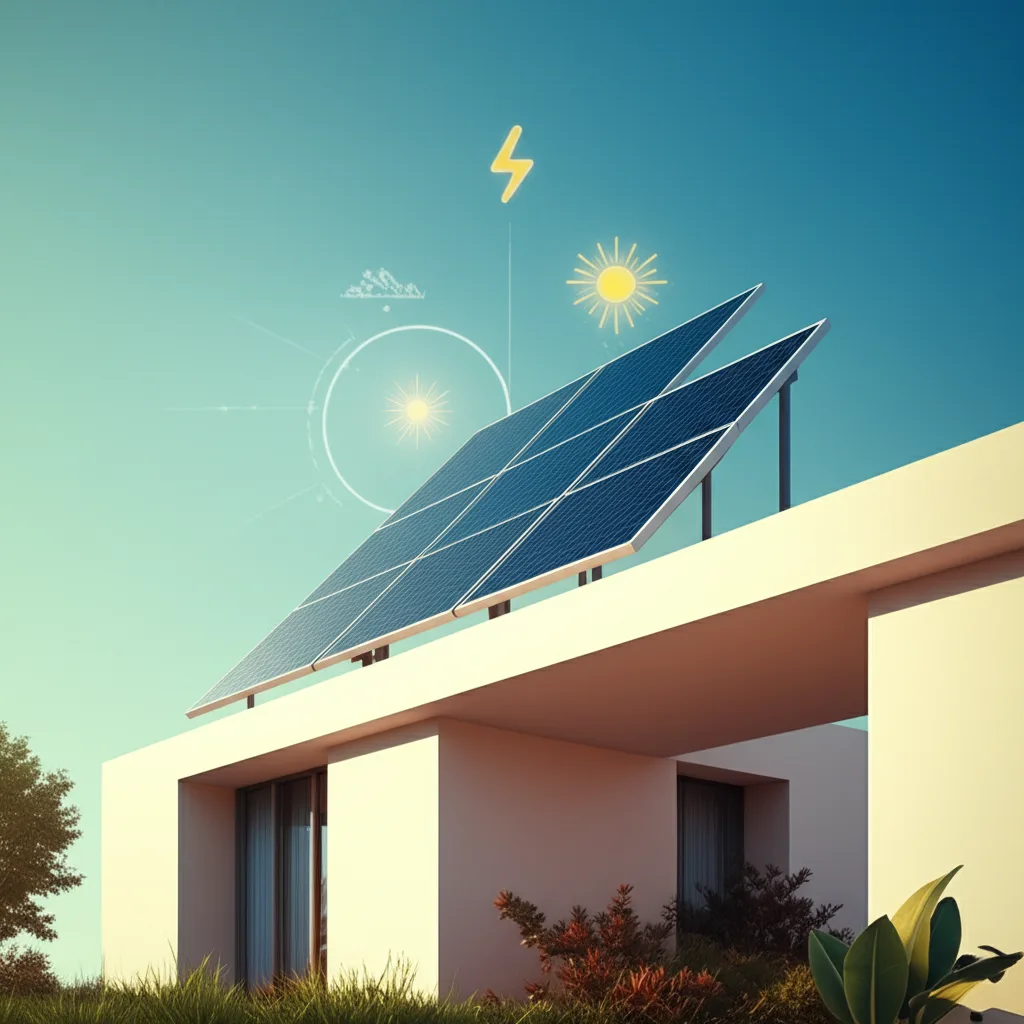
In a world increasingly seeking sustainable solutions, solar power shines as a beacon of hope. Yet, for many, the idea of going solar conjures images of complex installations, hefty price tags, and technical jargon. What if we told you there’s a simpler path? A way to embrace solar energy without overwhelming your budget, your property, or your lifestyle? Welcome to the philosophy of minimalist solar – an approach focused on smart choices, efficient use, and year-round optimization, ensuring you get the most out of every sunbeam, no matter the season.
This in-depth guide will walk you through practical, actionable tips to integrate solar power seamlessly into your life, maximizing its benefits from the bright days of summer to the crisp chill of winter. It’s about working smarter, not harder, with the sun.
The Heart of Minimalist Solar: Less is More Energy
Minimalist solar isn’t about shunning technology; it’s about intentionality. It’s choosing the right-sized system for your needs, focusing on efficiency, and embracing simple maintenance routines that yield significant returns. Think of it as decluttering your energy consumption habits and letting the sun fill the void.
Understanding the "Right Size" for You
Before diving into tips, consider what "minimalist solar" means for your home. Are you aiming for a partial offset of your electricity bill with a grid-tied system? Or are you looking for portable power for specific needs, like camping or a home office backup? A truly minimalist approach often starts with reducing your overall energy demand first. The less energy you need, the smaller and more manageable your solar setup can be.
Grid-Tie vs. Off-Grid: Finding Your Balance
Most minimalist solar enthusiasts opt for a grid-tied system, often with net metering. This allows you to generate your own power, use what you need, and send excess back to the grid for credits. It’s the ultimate "have your cake and eat it too" scenario, leveraging the grid as your giant, infinite battery. Truly off-grid living requires more substantial battery banks and a higher initial investment, often straying from the "minimalist" ideal for everyday home use unless specifically desired.
Spring & Summer: Harnessing Abundance with Ease
As the days lengthen and the sun climbs higher, spring and summer offer peak solar production. This is your time to shine – quite literally!
Optimal Panel Placement & Angle Adjustments
While professional installers set your primary angle, a minimalist approach encourages you to understand the basics. For fixed panels, aim for a south-facing (in the Northern Hemisphere) orientation, ideally between 30-45 degrees for year-round efficiency. However, if you have ground-mounted or portable panels, slight seasonal adjustments can make a difference. In summer, a flatter angle (closer to your latitude) helps capture more direct midday sun.
Practical Tip: Many online calculators can help you determine the optimal tilt for your specific location and time of year. For a minimalist approach, consider two main adjustments: a steeper angle for winter, a shallower for summer.
Keeping it Clean: The Power of a Pristine Panel
Dust, pollen, bird droppings, and even sap can significantly reduce your panels’ efficiency. A simple cleaning routine is one of the most effective, yet often overlooked, minimalist solar tips.
Step-by-Step Cleaning:
- Safety First: Disconnect your panels from any power source if you’re working directly on them (especially for portable units).
- Timing is Key: Clean panels in the early morning or evening when they are cool. Cleaning hot panels with cold water can cause thermal shock and potential damage.
- Simple Tools: A soft brush or sponge, a squeegee, and plain water are usually all you need. For stubborn grime, a tiny amount of mild, non-abrasive soap designed for solar panels can be used, followed by a thorough rinse.
- Rinse Thoroughly: Ensure no soap residue is left behind, as it can attract more dust.
Perform this routine monthly during dusty seasons or after heavy pollen fall. It’s a quick task that pays dividends in energy production.
Smart Usage: Shifting Your Energy Habits
With abundant solar power, try to shift your high-energy activities to midday. Run the dishwasher, do laundry, or charge electric vehicles when your panels are producing the most electricity. This reduces your reliance on grid power during peak solar hours, maximizing your self-consumption and lowering your utility bill. It’s a simple habit change that aligns perfectly with minimalist living.
Small-Scale Solutions: Portable Power for Warm Days
Minimalist solar isn’t just for rooftops. Portable solar panels and power stations are perfect for summer adventures, powering outdoor lights, charging devices on the patio, or keeping your cooler running. They offer flexibility and independence without permanent installation.
Autumn: Preparing for the Shift
As summer fades, the sun’s angle changes, and leaves begin to fall. Autumn is the time for preventative care to ensure your system is ready for winter’s lower sun angles and potential challenges.
Pre-Winter Check-up: Wiring, Mounts, and Connections
Before harsh weather sets in, give your system a quick visual inspection. Check all visible wiring for fraying or damage from pests. Ensure mounting hardware is secure and free from rust. Look for any loose connections that might have developed over the summer. For portable systems, ensure all components are clean and stored properly if they won’t be used regularly.
Battery Health: Storing for Shorter Days
If your minimalist setup includes a small battery bank (for backup or specific loads), autumn is a good time to check its health. Ensure terminals are clean and tight. For lead-acid batteries, check electrolyte levels. Most modern lithium batteries are maintenance-free, but ensuring they are adequately charged before a period of lower production is a smart move. Avoid fully discharging batteries frequently, as this can shorten their lifespan.
Tree Trimming: Battling the Shade Before It’s Too Late
Falling leaves and bare branches in winter can create significant shading issues that weren’t present when trees were full. Walk around your property and identify any trees or shrubs that might cast shadows on your panels when the sun is low in the sky. A proactive trim in autumn can prevent a substantial drop in winter production. This is especially critical for minimalist systems with fewer panels, where even partial shading can have a disproportionate impact.
Winter: Maximizing in Scarcity
Winter often presents the biggest challenge for solar production due to shorter days, lower sun angles, and potential snow cover. A minimalist approach focuses on smart adaptation and conservation.
Snow Removal: Gentle Care for Your Panels
Heavy snow can completely block your panels, halting production. While many panels are designed to shed snow naturally, a gentle assist can make a big difference on low-angle days.
Snow Removal Tips:
- Safety First: Never climb onto a snowy or icy roof. Use a soft-bristled brush with an extendable handle from the ground.
- Avoid Abrasives: Do not use metal shovels, harsh chemicals, or hot water, as these can damage the panel surface.
- Let Gravity Help: Often, clearing a path at the bottom edge of the panel is enough for the rest to slide off with solar warming.
- Consider it an Investment: Even clearing snow for a few hours of production can be worth it on a sunny winter day.
Angle Adjustments Revisited: Tilting for Low Sun
If your panels allow for seasonal adjustments, winter is when you want the steepest angle. This helps the panels catch more direct sunlight from the lower winter sun and also aids in snow shedding. A general rule of thumb for winter is to add 15 degrees to your latitude for the optimal tilt.
Energy Conservation: The Ultimate Winter Solar Hack
When solar production is naturally lower, the most minimalist and effective strategy is to reduce your consumption. Turn off lights, unplug phantom loads, bundle up, and be mindful of heating. Every watt saved is a watt your solar system doesn’t have to produce or that you don’t have to draw from the grid. This mindful consumption aligns perfectly with the minimalist ethos.
Backup Solutions: When the Sun Takes a Break
For grid-tied systems, a blackout means no solar power unless you have a battery backup. For a minimalist setup, this might mean a small, portable power station charged by your panels (or the grid) to keep essential devices running during an outage. It’s a pragmatic solution without the complexity of a whole-home battery system.
Year-Round Best Practices & Smart Tech
Beyond seasonal specifics, some practices contribute to minimalist solar success every single day.
Monitoring Your Output: Knowledge is Power
Most modern solar inverters come with an app or online portal that allows you to monitor your system’s performance in real-time. Make it a habit to check it periodically. Are your panels producing as expected? A sudden drop in output could signal a cleaning need, a shading issue, or even a system fault that needs attention. Early detection saves energy and money.
DIY Maintenance Schedule: Simple Steps, Big Impact
Create a simple annual or bi-annual checklist:
- Spring: Clean panels, check wiring for pest damage, confirm mounting integrity.
- Fall: Trim trees, clean panels, check battery health (if applicable).
- Ongoing: Monitor production, adjust usage habits.
This proactive approach prevents minor issues from becoming major problems, ensuring longevity and efficiency.
Smart Home Integration: Automating Your Energy Flow
For those comfortable with a bit of tech, smart home devices can elevate your minimalist solar strategy. Smart thermostats can optimize heating/cooling when solar production is high. Smart plugs can automatically turn off high-draw devices when they’re not needed or shift their operation to peak solar hours. This automation makes energy efficiency effortless.
The Right-Sized System: Avoiding Overkill
The ultimate minimalist solar tip is to not over-engineer your system. Start by understanding your actual energy consumption. Invest in energy-efficient appliances. Then, design or choose a solar system that meets your reduced needs. A smaller, well-optimized system is often more cost-effective, easier to maintain, and performs better per dollar invested than an oversized, underutilized one.
The Economic & Environmental Payoff
Embracing minimalist solar isn’t just about saving money (though it certainly does!). It’s about a holistic approach to sustainable living.
Financial Returns: Savings Beyond the Initial Investment
By consistently optimizing your solar output and minimizing waste, you amplify your financial returns. Lower electricity bills, potential net metering credits, and increased property value are tangible benefits. Over the lifespan of your system, these simple, year-round tips translate into significant savings.
Reducing Your Carbon Footprint, One Ray at a Time
Every kilowatt-hour generated by your solar panels is a kilowatt-hour that didn’t come from fossil fuels. By actively managing and maximizing your solar production, you’re making a tangible, positive impact on the environment, reducing your household’s carbon footprint and contributing to a cleaner, greener future.
Conclusion: Simplify Your Sunshine
Minimalist solar isn’t a complex science; it’s a mindful practice. It’s about understanding your system, respecting the power of the sun, and making small, consistent efforts that yield impressive results. From keeping your panels spotless in summer to carefully clearing snow in winter, each tip contributes to a more efficient, sustainable, and ultimately, more fulfilling way of life. By embracing these year-round strategies, you’re not just harnessing solar power; you’re simplifying your relationship with energy, proving that sometimes, less truly is more. Start small, stay smart, and let the sun power your journey.
